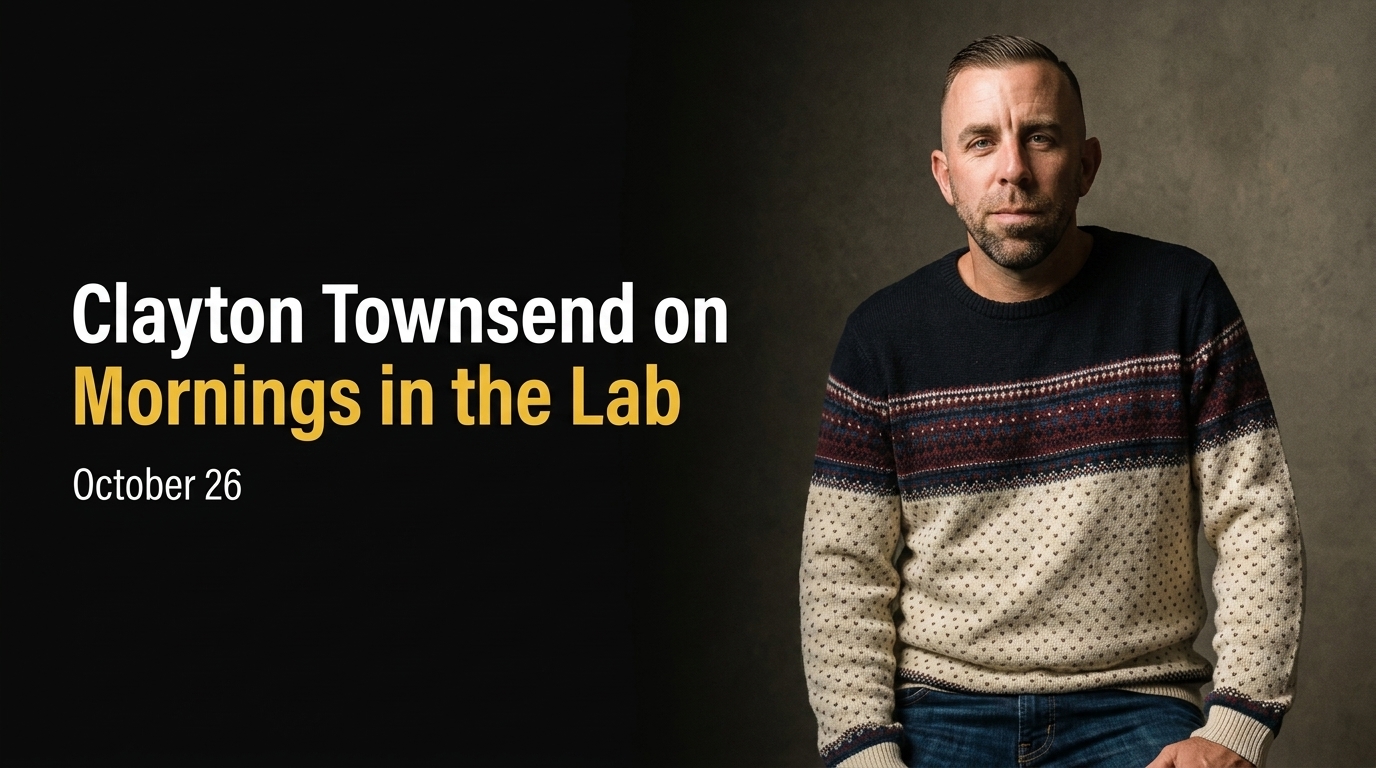
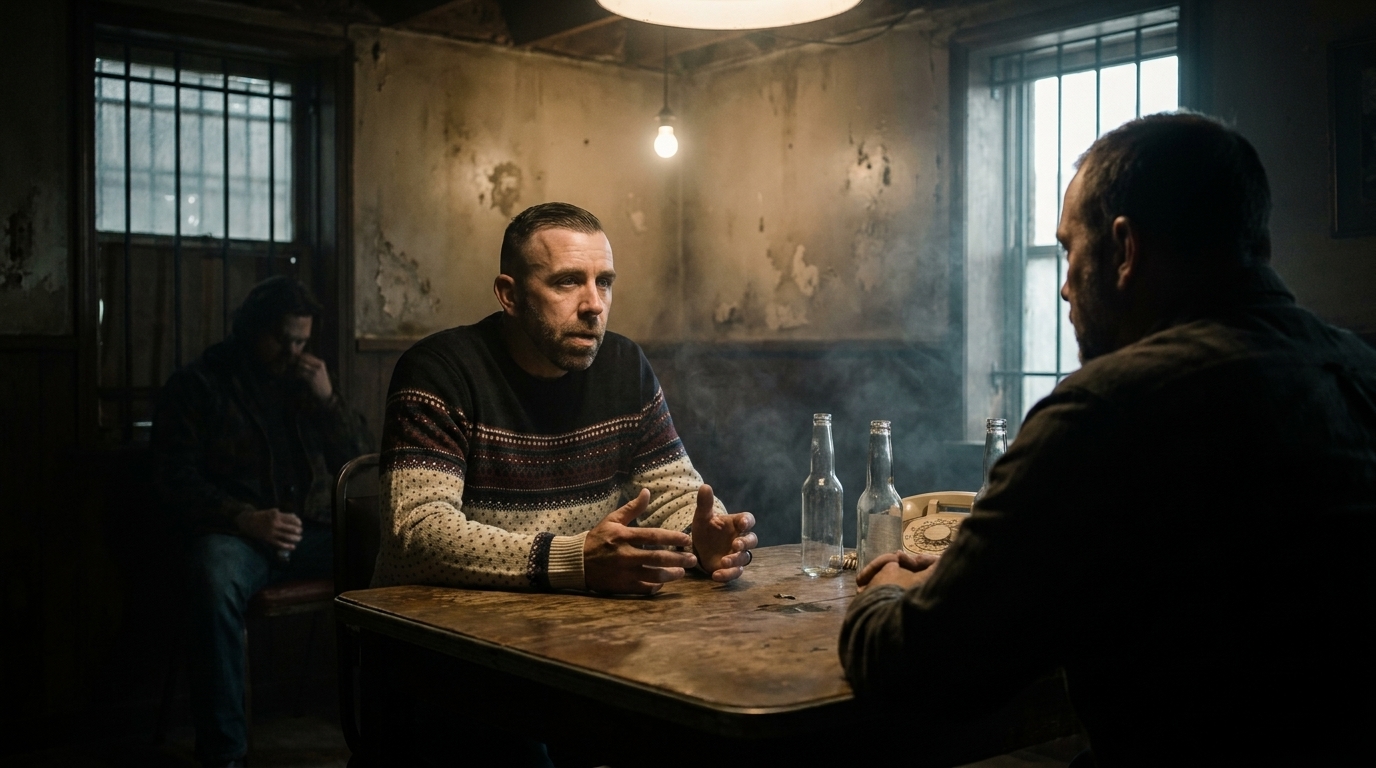
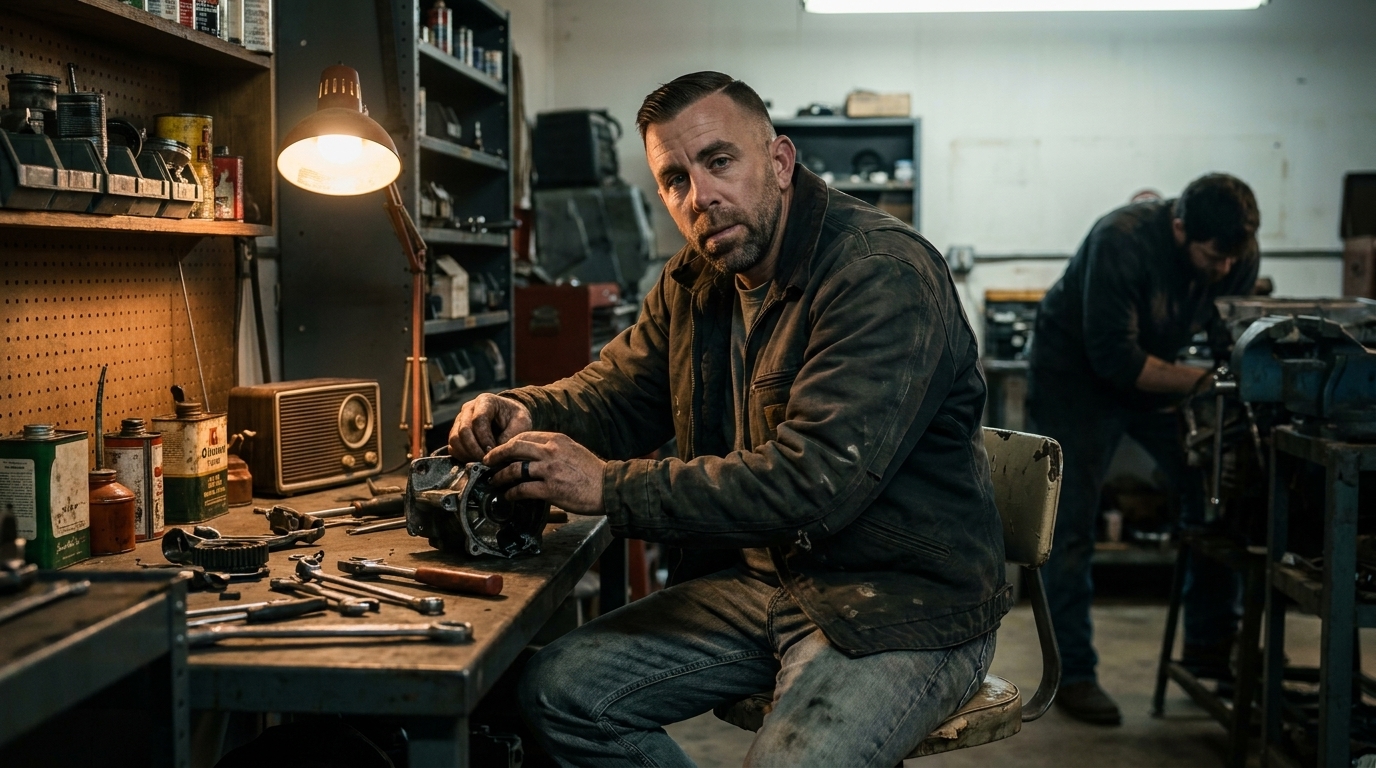
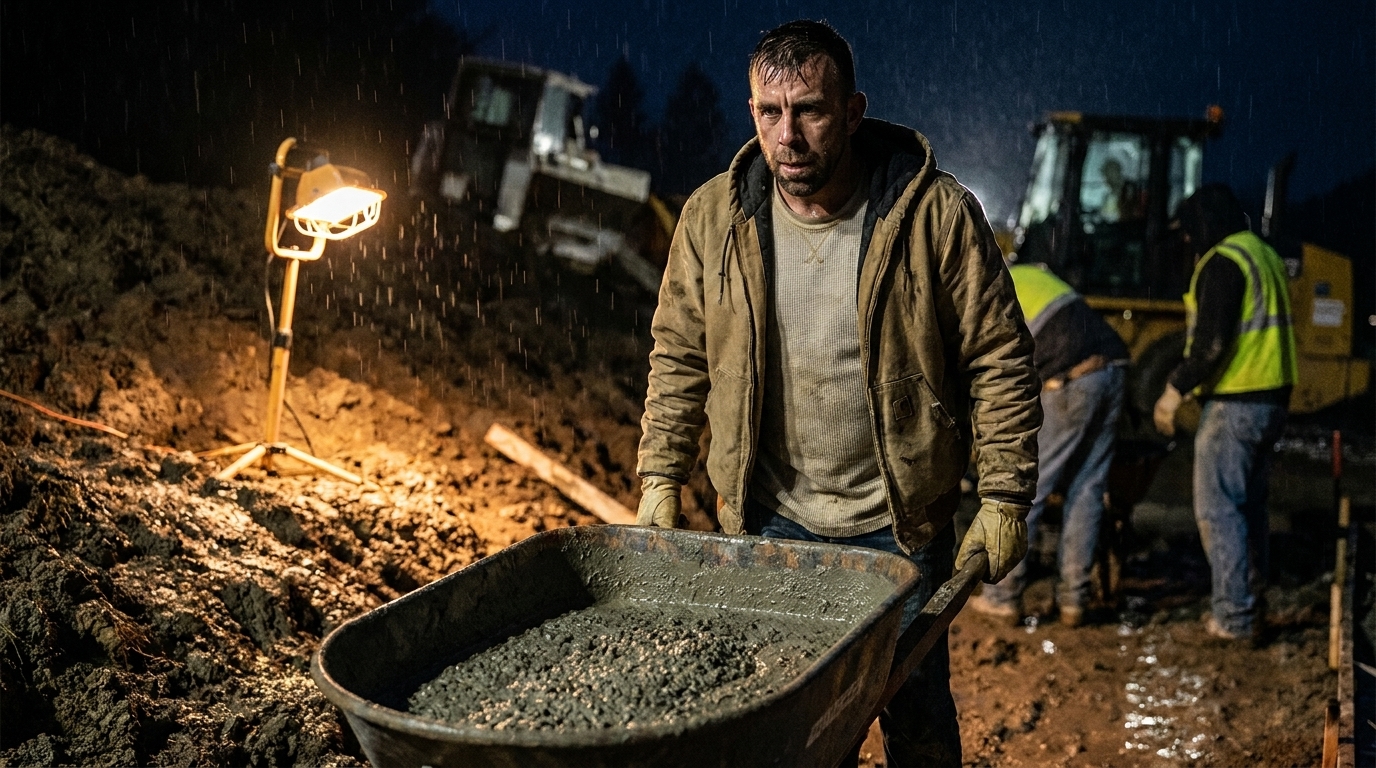
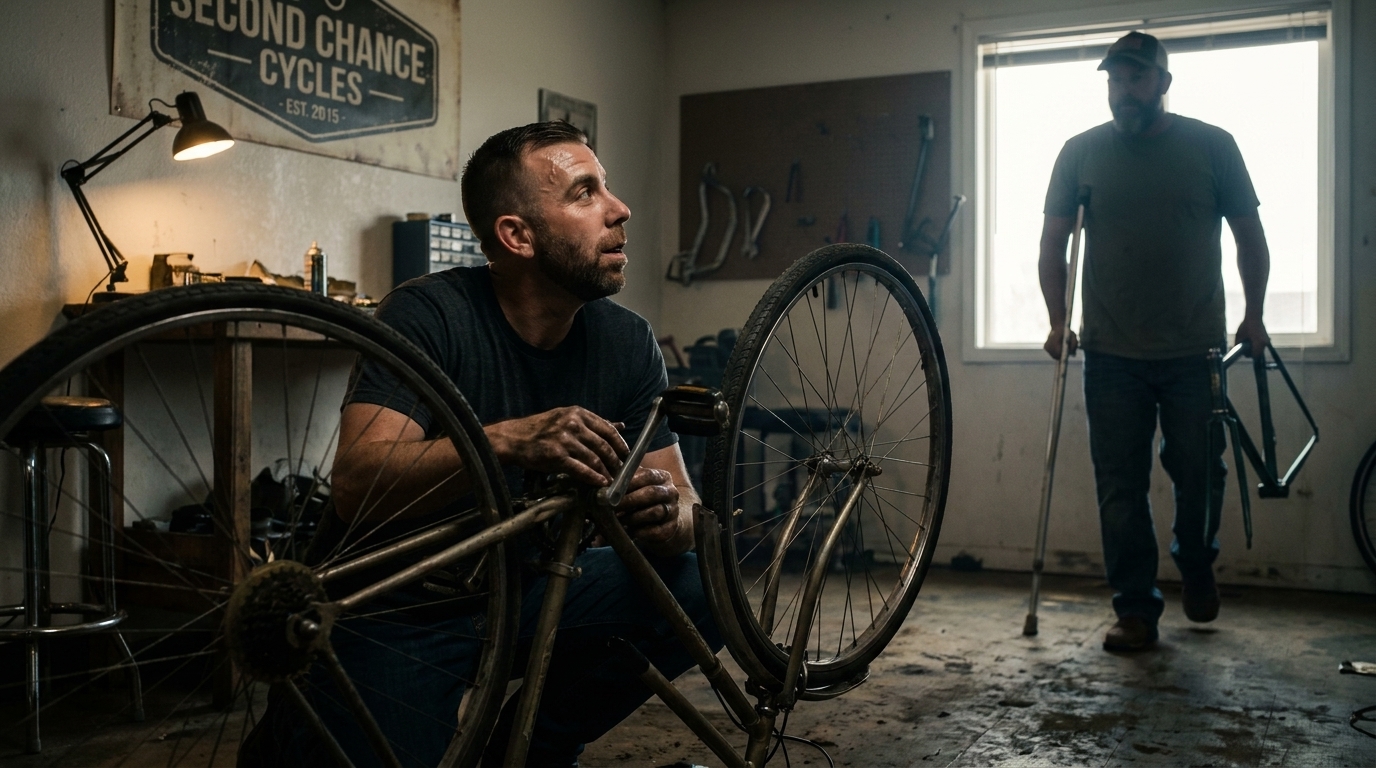
Clayton Townsend is a Texas roofer, three-year sober man, recovery mentor, content creator, and the founder of Sober Stay — a mobile app designed to support people through the moments when sobriety feels hardest. He is building a business while being brutally honest about what his life used to look like. He overdosed twice. He tried to take his own life. He was given three options. And somewhere between the chaos and the consequences, he chose the option nobody expected him to choose.
Read the full guest story
Clayton Townsend is a Texas roofer, three-year sober man, recovery mentor, content creator, and the founder of Sober Stay — a mobile app designed to support people through the moments when sobriety feels hardest. He is building a business while being brutally honest about what his life used to look like. He overdosed twice. He tried to take his own life. He was given three options. And somewhere between the chaos and the consequences, he chose the option nobody expected him to choose.
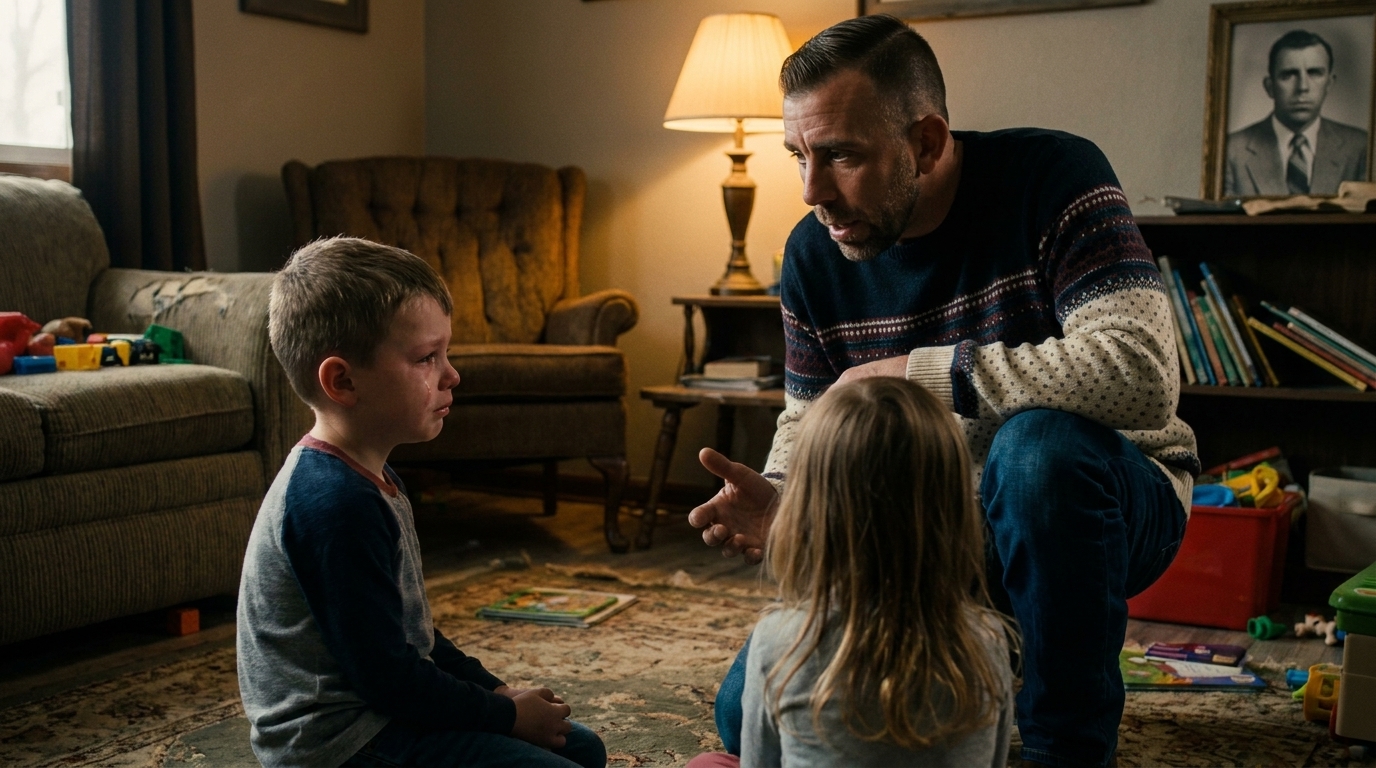
Clayton grew up without the tools that matter most. No strong male role model who modeled emotional accountability. A childhood that, in his words, was missing the positive mentor who might have redirected the patterns before they calcified. He talks about leaning into emotion with his kids now — asking them how they feel, naming what's underneath the surface — precisely because no one did that for him, and he understands the cost.
Before sobriety, Clayton existed in a loop familiar to millions: stress, numbing, morning cleanup, repeat. Not because he was weak or broken, but because the tools weren't there and the conversation wasn't happening. He attempted sobriety multiple times over six years before getting genuinely clean three years ago. His path there involved ADHD, addiction, mental health advocacy, and a frank reckoning with the fact that boys are taught to suppress everything that matters and then surprised when the suppression fails.
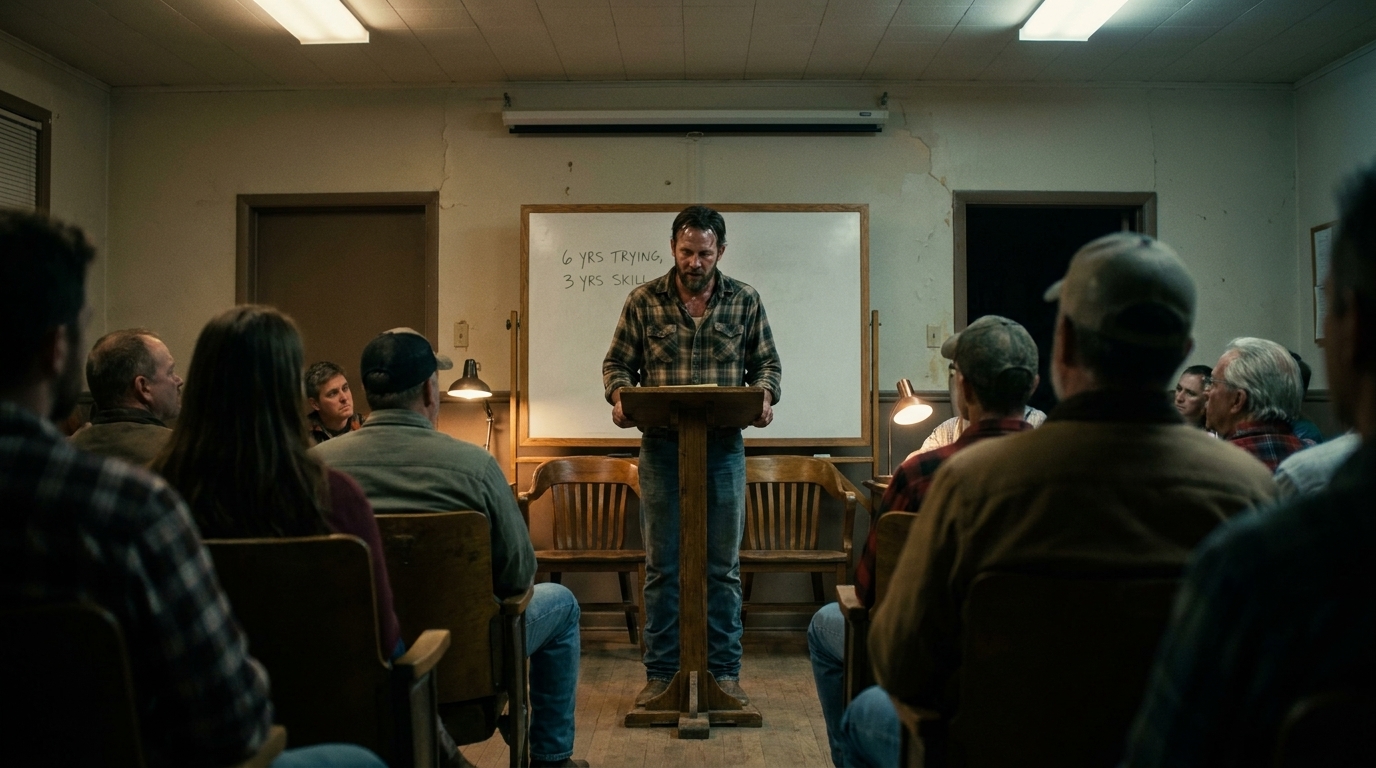
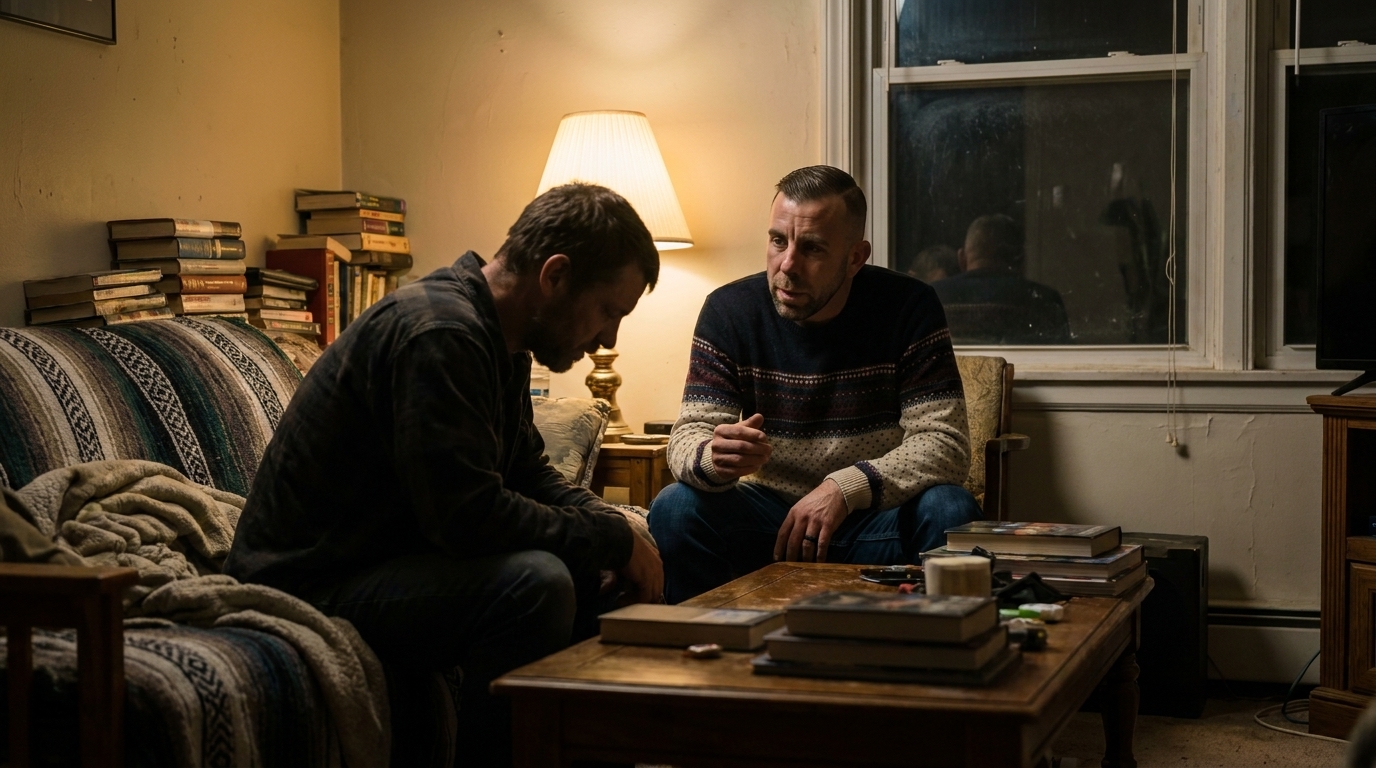
Since getting sober, Clayton hasn't just maintained a personal practice. He has become a resource for others. In the past year alone, he has personally sponsored more than 10 people's treatment — out of his own pocket, with no backing organization, no corporate sponsor, and no platform at the time. He shows up at 12-step meetings not as a figurehead but as a participant, making it normal for men to sit in a room together and tell the truth about what's happening inside.
He also runs a content and marketing business focused on short-form video. His philosophy on content creation is distinctive: don't chase trends. Create ideas that make people stop scrolling. His LinkedIn presence under the handle @yourtexasroofer captures this — a roofer posting about sobriety and mental health, with a clarity and directness that punches through the noise precisely because it refuses to perform.
The project he is most excited about is Sober Stay — a mobile app designed to support people through the specific, dangerous moments when recovery is at its most fragile. The concept comes from his own experience: sobriety is not a single decision but a daily, sometimes hourly, negotiation. The app is designed to reduce the friction between a hard moment and the next right thing to do.
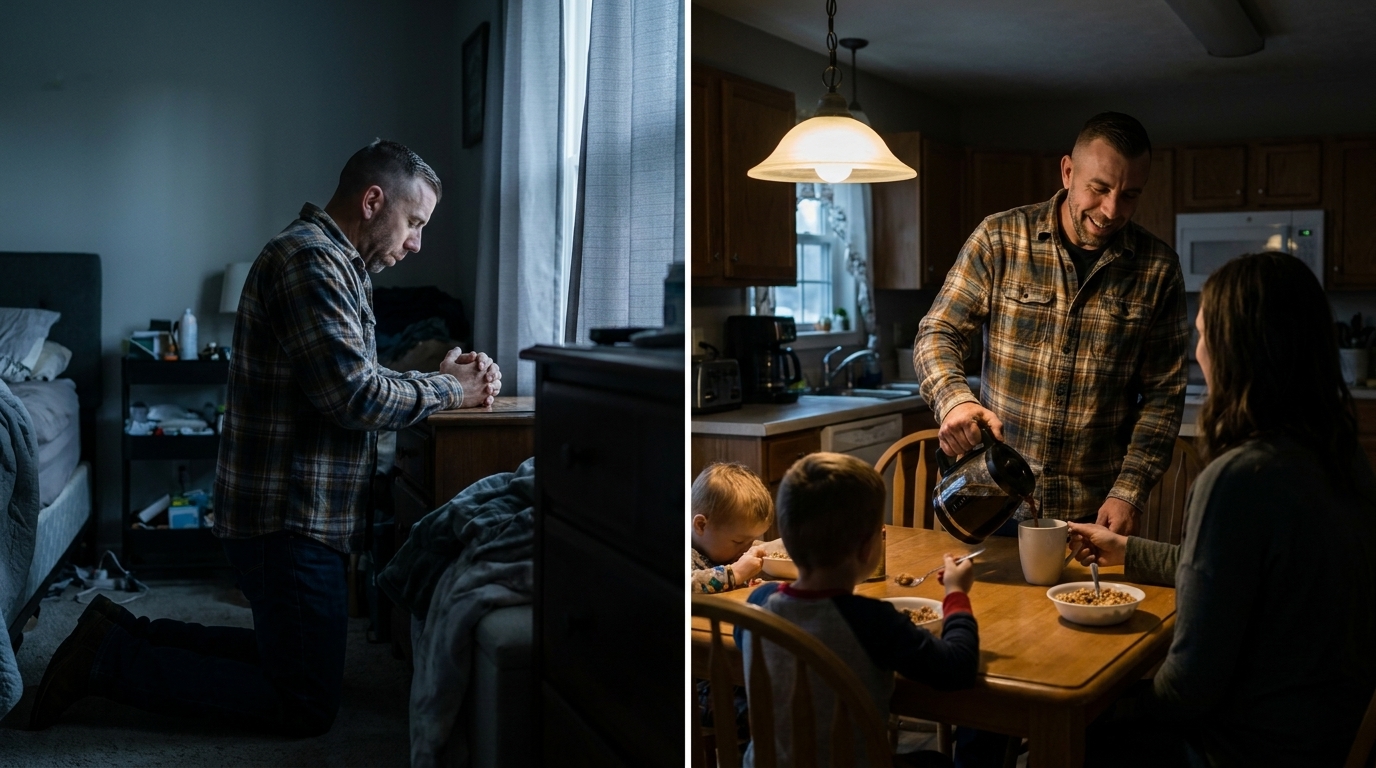
Clayton's faith is central to his sobriety and his framework. He starts each morning with prayer before anything else — before the phone, before the day begins. He reads, he reflects on his own thinking, he goes and serves his family. He describes this as more than routine: it is the architecture that keeps everything else standing. His faith isn't decorative. It is structural.
His core belief — the one he names as the engine beneath all of it — is a phrase he borrows from the recovery community: never give up before the miracle happens. He has watched enough people get clean to know that the miracle is real and that it tends to arrive just past the point where most people stop. He is building everything he builds to make sure more people make it to that point.