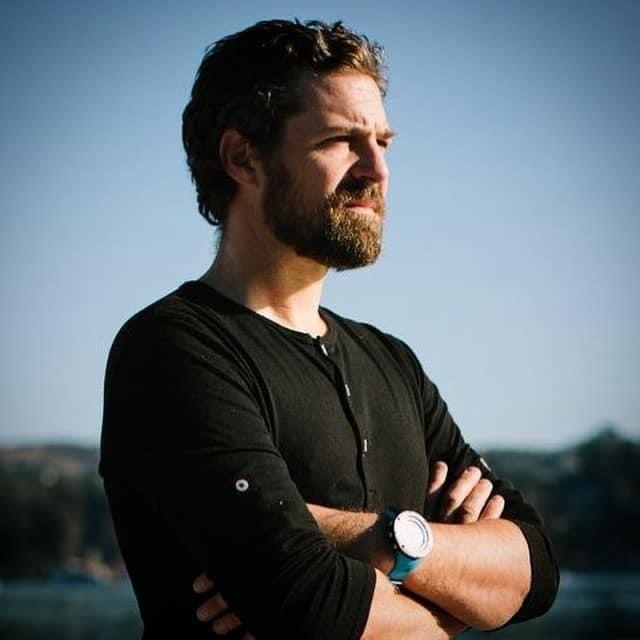
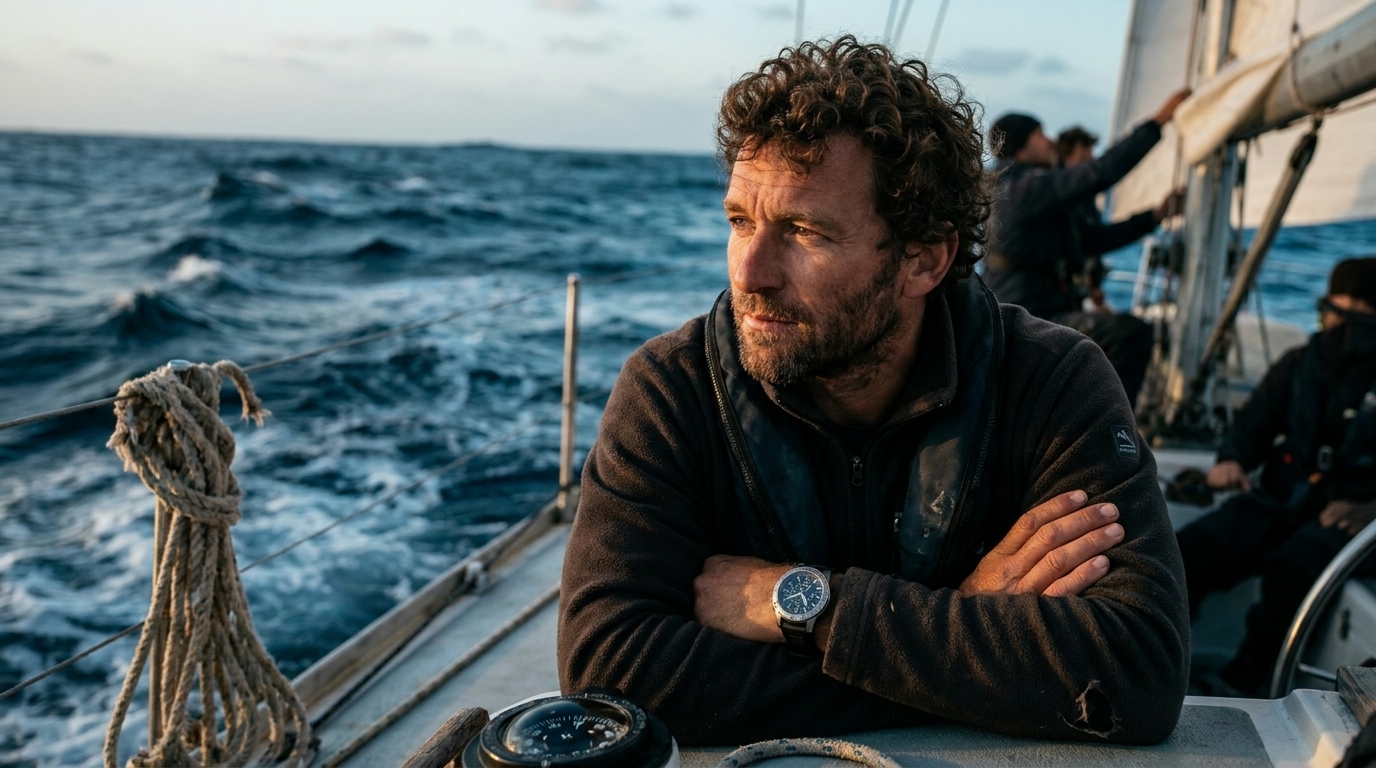
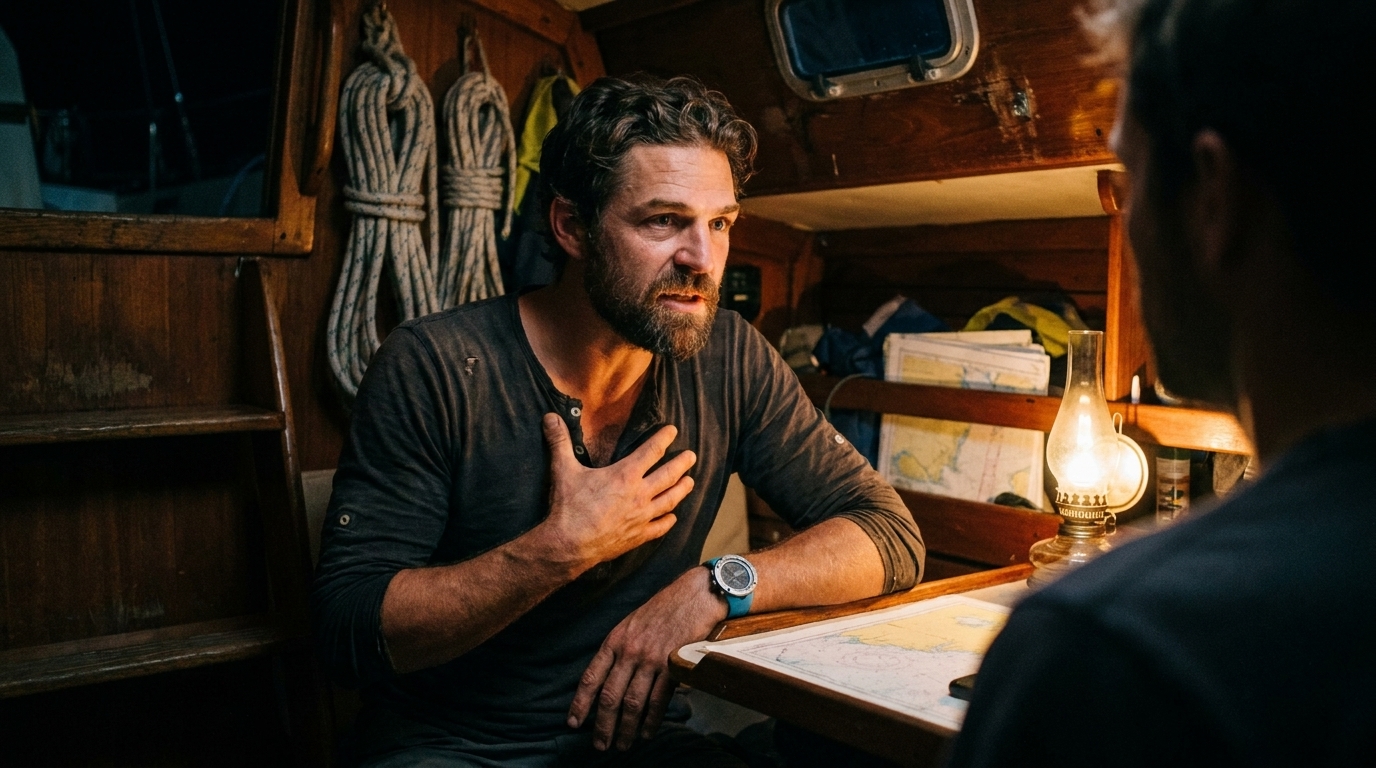
Cyril Derreumaux did not grow up dreaming of crossing oceans in a kayak. He grew up in France, moved to California, worked in the wine business, and arrived at his mid-thirties having lived a life that looked successful from the outside but felt, in the private arithmetic of personal ambition, like something was missing. Then at 32, standing on the edge of the Pacific, he picked up a paddle. What happened next is not a story about athletics. It is a story about refusal — the refusal to let fear, failure, logic, or other people's opinions determine the size of a life.
Read the full guest story
Cyril Derreumaux did not grow up dreaming of crossing oceans in a kayak. He grew up in France, moved to California, worked in the wine business, and arrived at his mid-thirties having lived a life that looked successful from the outside but felt, in the private arithmetic of personal ambition, like something was missing. Then at 32, standing on the edge of the Pacific, he picked up a paddle. What happened next is not a story about athletics. It is a story about refusal — the refusal to let fear, failure, logic, or other people's opinions determine the size of a life.
Cyril Derreumaux is now the only human being in history to have solo kayaked both the Pacific and Atlantic Oceans. He holds three Guinness World Records. He is a member of the Explorers Club. He is fluent in six languages and has lived on multiple continents. He did his first around-the-world backpacking trip at 25 with $7,000 and a can-do attitude. He is, by his own description, a regular guy — not an athlete by training, not a physical specimen by any objective measure. He is, by his own reckoning, someone who learned to manage his mind.
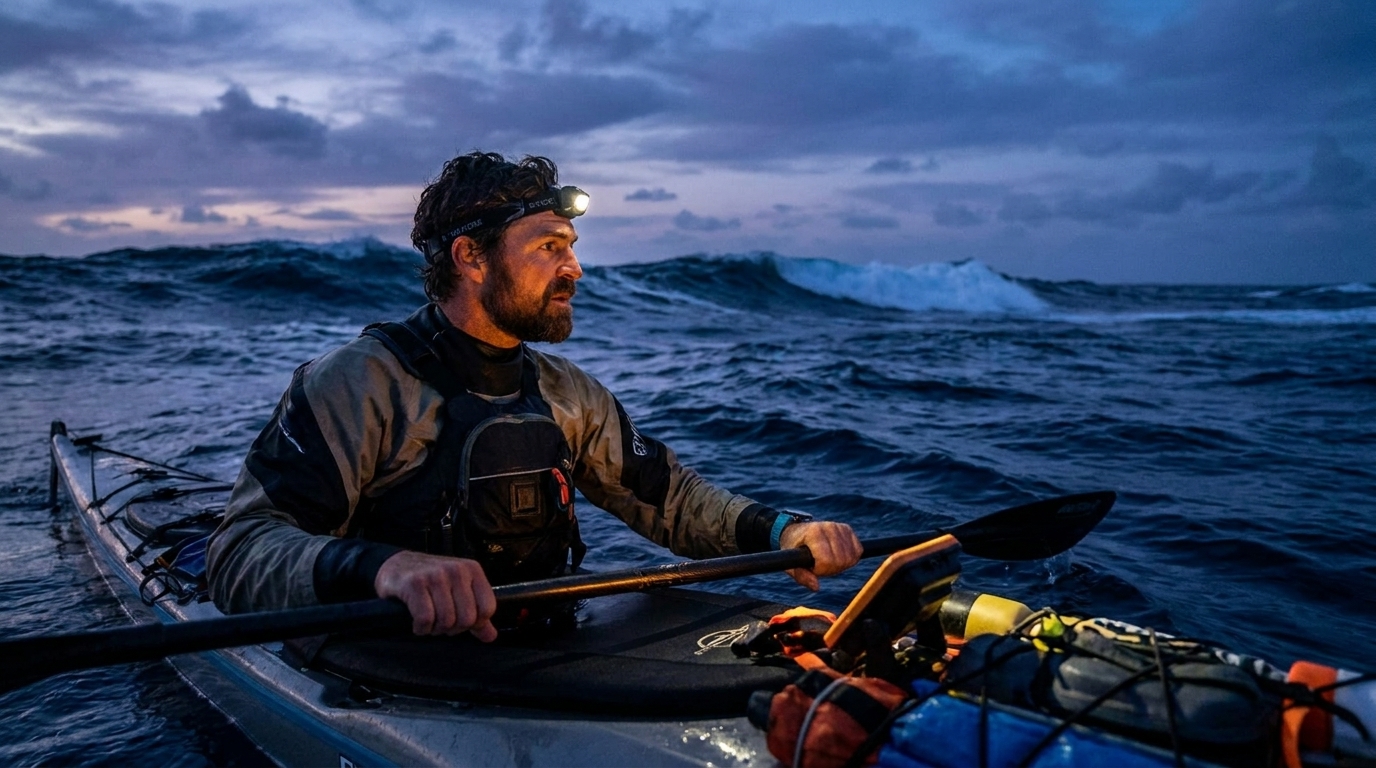
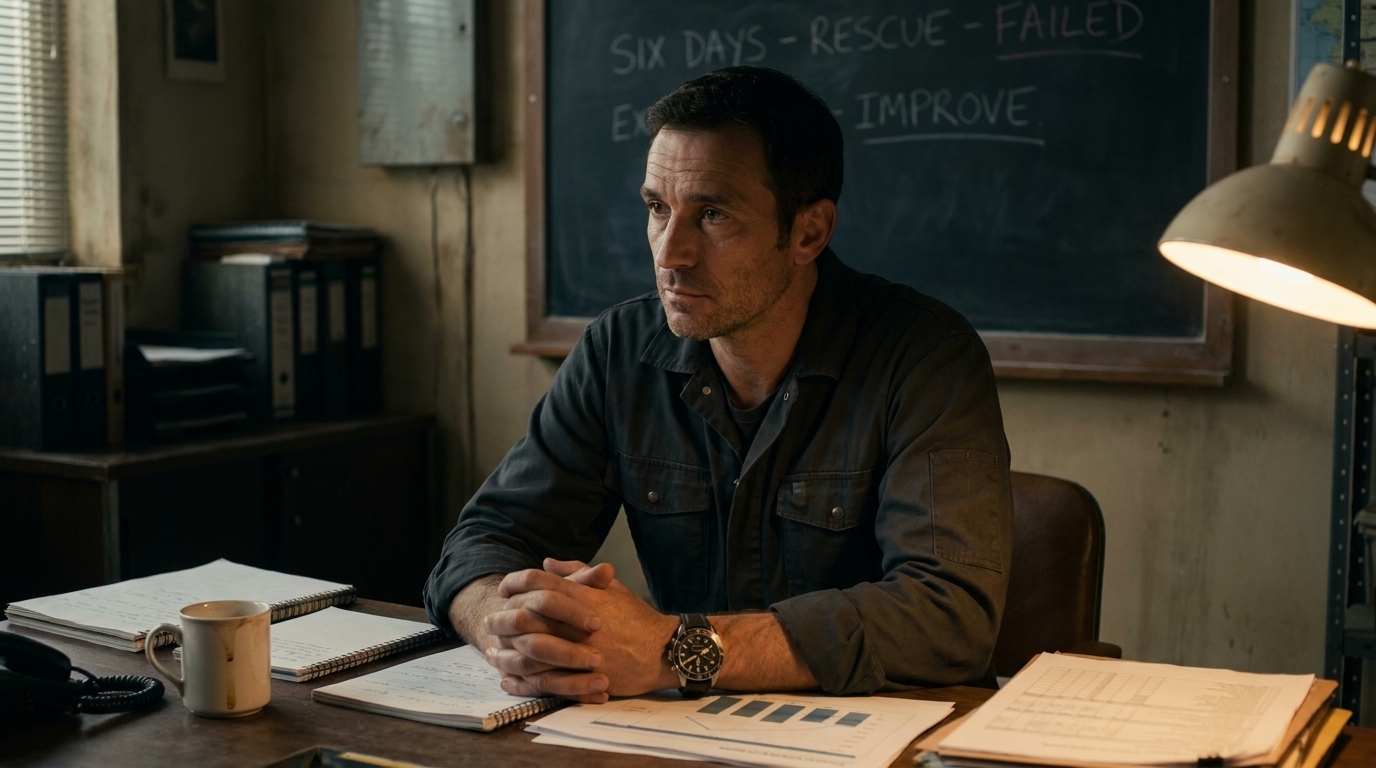
His first Pacific attempt in 2021 ended after six days when the Coast Guard pulled him out. He did not reframe this as a learning experience. He called it a failure. He calls it a failure to this day, and says that refusing to soften that word is part of the framework. A failure is a failure. The question is what you do with it. He answered that question the following year by getting back in the kayak, paddling into the same Pacific Ocean that had rejected him, and spending 91 days alone at sea — no motor, no sail, no company, just a paddle, an 800-pound kayak named Valentine (after his sister, who was with him every mile), and the open water. He burned 8,000 calories a day but could only eat 6,000. He arrived in Hawaii 25 pounds lighter.
In 2025, he kayaked the Atlantic: 3,000 miles from the Canary Islands to Martinique, 71 days alone, completing a double no human had ever attempted — the Pacific-Atlantic solo kayak. Each crossing required waking every two hours throughout the night for months, continuous exposure to saltwater that caused blisters and sores that could not heal, a broken electric water maker that forced him to hand-filter seawater for weeks, and the full psychological weight of radical isolation.
What Cyril discovered in that isolation — which he discusses with a philosopher's precision and a Frenchman's irreverence — is the operating manual for resilience that most people spend their whole lives reading about without ever accessing. Fear is not an obstacle. It is information. Reframing is not denial. It is the only available navigation tool when the wind is working against you. The present moment is not a philosophical concept. It is the only survival strategy available when you are 50 days in with 50 days to go.
Cyril Derreumaux appeared on the Center Stage segment of Mornings in the Lab, where he spoke with the clarity of someone who has tested every principle he holds in conditions that do not forgive pretension.