Read the transcript
If you've ever worked your ass off and wondered if the dream is slipping further away, you're not alone. You do the work. You stay disciplined. And still, there's that quiet question, am I actually building towards something real? Today, we're meeting David, someone who's lived inside that question and kept moving. Anyway, as a child, David survived eye cancer.
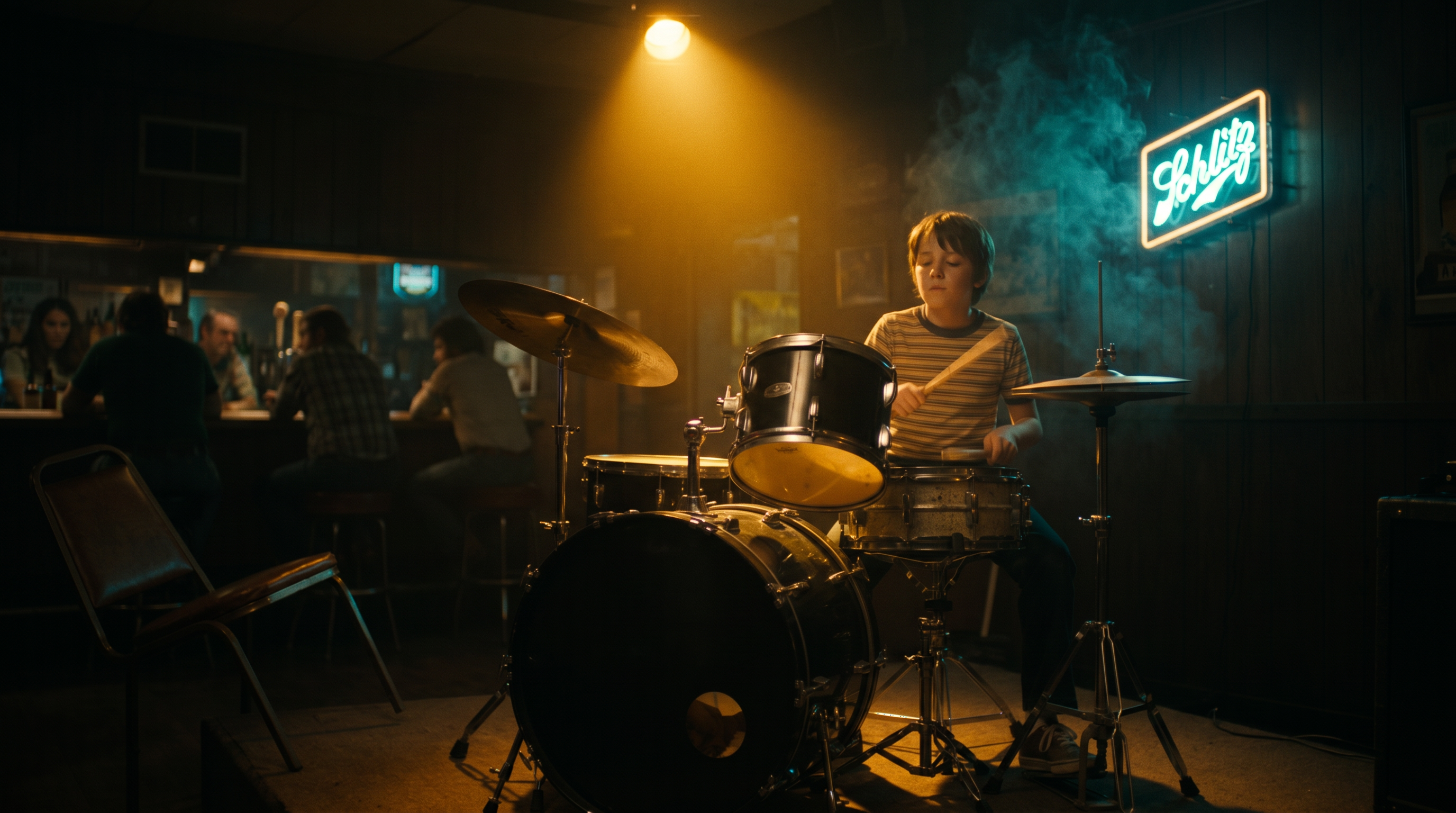
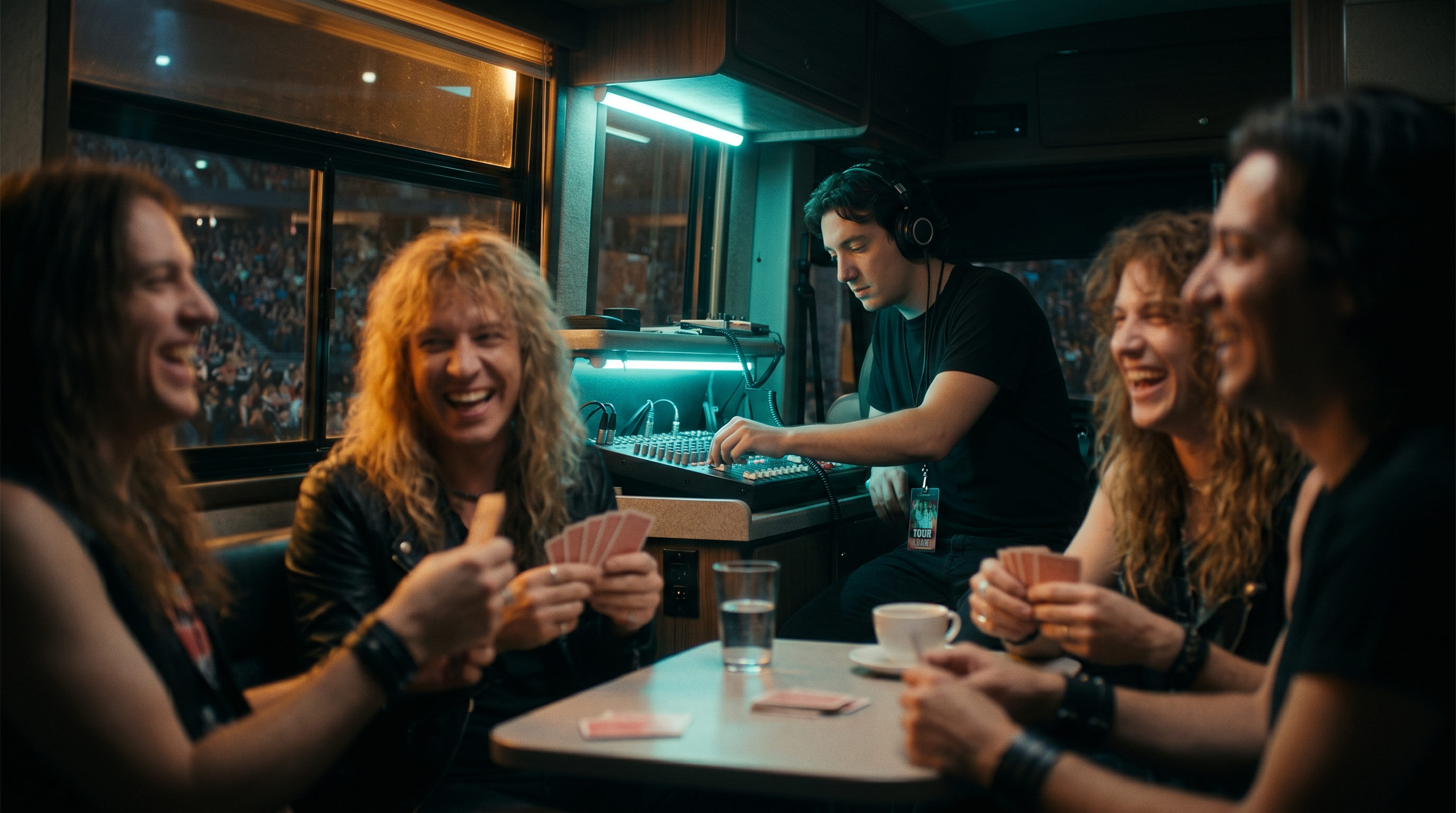
That experience reshaped his world early, and music became his anchor. By 12, he was playing professional gigs in Boston clubs. While most kids were still discovering their interests, at 16, David started a music technology business, not a hobby, a real operation, that path led him to become Aerosmith's in-house recording engineer and technologist for over 13 years.
He helped design studios, engineer records, and solve problems when the pressure was high and the stakes were real. He also helped build the first all-Pro Tools studio used to record Ricky Martin's Livin' La Vida Loca. Today, David works with artists and creators who want control over their craft, their tools, and the life they're building. He believes the dream isn't impossible.
It just requires clarity, patience, and showing up long after motivation fades. Today, we're talking ambition, passion, technology, and the grit it takes to build something that actually lasts. David, we're excited to have you on Mornings in the Lab. Welcome.
— You're right. Age two was actually the best thing that ever happened to your career, fellas. This guy beat eye cancer as a toddler. He found salvation behind a drum kitten by 12. He was playing Boston's roughest clubs. Let's bring him in. The man himself, David, friend Yoda. The morning's in the live with Keith, John, Marty, and everybody else. What's shaking, David?
— Good morning.
— David, what's up, brother?
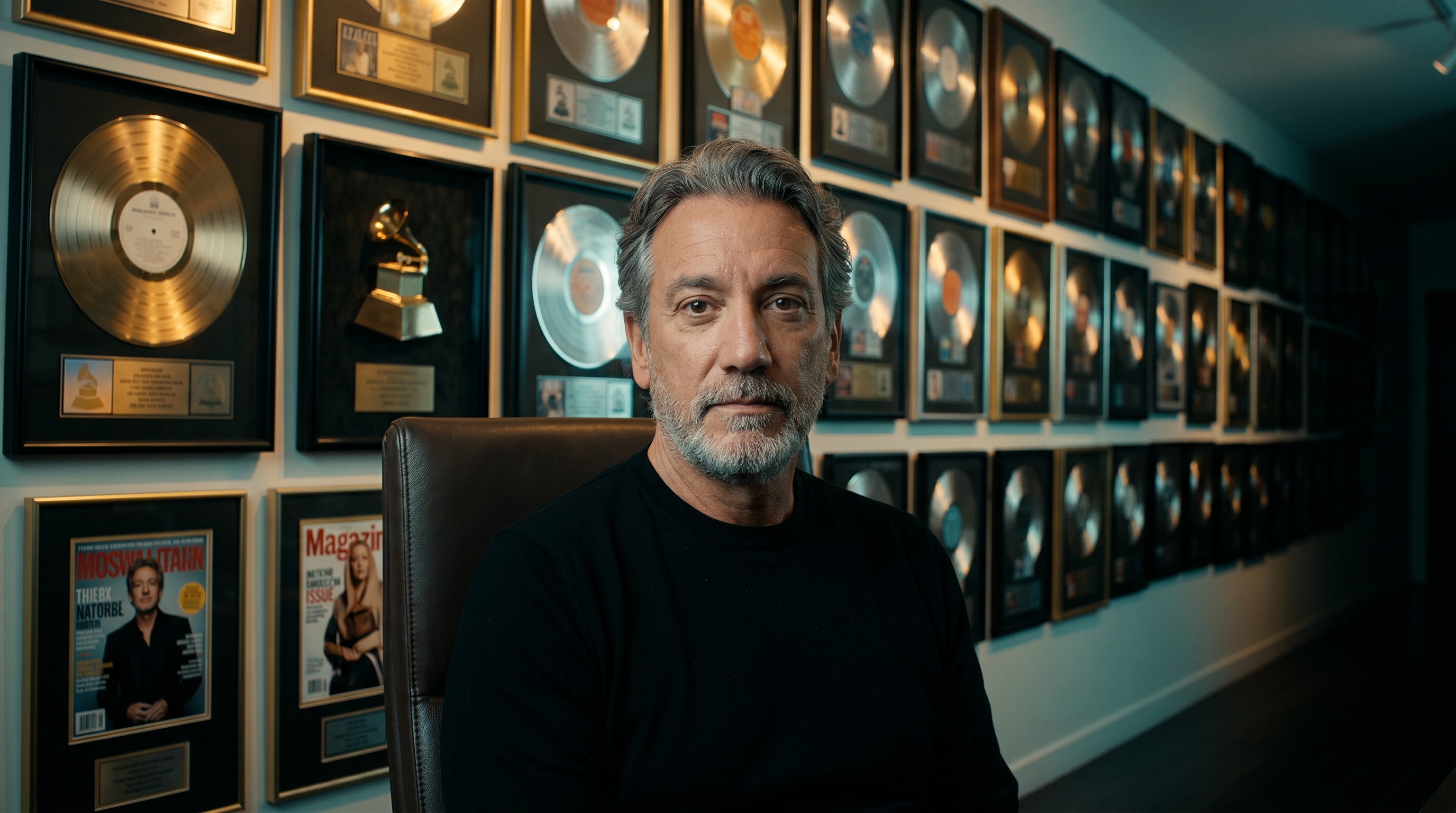
— Dude, I love your backdrop, man. You I think we can spend the whole show just talking about what's hanging over your shoulders over there. Gez, where do we start? I love the cassette over the left shoulder. What's that cassette over there, man?
— Big ones. Aerosmith. Yeah, the fourth third or fourth album I did with them. Look guys, it's the accolades are great. Their recognition for accomplishment, achievement, that the work paid off, that people like the creations that we made. Thank God that the wall is one 100th of the walls that are adorned with awards. But really, it's about what it takes to get there, stay there, and grow from there.
Because I'm never content where I'm standing or sitting. So, these awards are a reminder of what's possible, but they're yesterday's news. I'm very grateful for them. I'm very proud of them, and I have incredible memories and experiences to share. But it's all about what am I doing today? And
— I love that. That's [bleep] so good. I remind myself all the time, nobody gives a [bleep] what you did yesterday. What are you willing to do today?
— Pretty much.
— Yeah. David, where you joining us from today, brother? Where you joining us from today?
— I am in Palm Beach, Florida.
— Nice. Nicely done. That's fantastic. was struck by your story and which is as I was doing a little bit of research I wanted to bring you back here I'm sorry bring you on to the show dude let's get into cancer as a young kid like that is let's start right there let's start with how that journey in your life starts for
— well the context of it is I had an amazing family my mom and dad I have a brother John who's very accomplished oncologist youngest professor in the history of Harvard University and wow he started a company called curidel that has a prostate and breast cancer that's launching in the next year. So my parents were really nurturing, loving. We we grew up with economic means.
We I wouldn't even call it middle class if we're looking at the reality of what I where I started. Of course, no [clears throat] connections, just not no opportunities. There were the nurturing was loving, which was huge. It was parenting that from two people that genuinely loved their children and would do anything for them. And then I figured out the rest through just hard work and determination and a passion for never wanting to be where I was quite frankly.
Yeah. Could it have been worse? Of course it could have. But it was bad enough that I was driven to to go to heights that I could only dream about. I there was no tangible evidence that anything was achievable. So I had to find that belief in myself. And my parents were incredibly loving. They had my brother 15 years after they were married and the doctor said you couldn't have kids but we can't tell you why.
So he was a miracle child. Then three years later they have me. So the context of this is so important because a lot of parents want to have children and they have children. But my parents weren't in that situation. So when they had us it was like oh my god the dream has come full circle. Then two years into my life, my parents are brought the news, oh, your son has eye cancer and he's either going to die, lose his sight entirely, and you're going to have a blind child or be half blind.
And for anybody, that's devastating. For my parents, it was lifealtering. And then in 1969, when it happened, they would always tell me years later, as I grew older, we were very close. My aunt passed away now years ago, but we were always very close. And they would always say to me, we died in 1969 when that happened and we relived as your life took shape.
So that's the cont. So I lost my eye. Of course that's traumatic. Of course only seeing out of one eye and having a prosthetic is has a number of challenges. I was bullied.
— Well, brother, real quick, sorry to interrupt. I didn't really pick that up when you first came on.
— No, neither did I. Me neither.
— Thank you. Well, I've had surgeries over the years to get it to look [clears throat] more natural. When I was a kid, the eye was very the lid was very closed and it was very obvious. Hold a lot of attention to itself in an unwanted way.
— Dude, you look I thought this [bleep] guy just looks like he's been have a lot of [bleep] fun in the studio is what it looks like to me.
— Well, maybe that's true too. We are rock and roll after.
— Well, I was going to say that should be the story. Yeah. Yeah. [bleep] man. [bleep] This is Yeah. If somebody notices because it's really I would have not have known, brother. Looks you [bleep] really cool.
— Well, thank you. That's awesome. Thank God for the surgeries and and modern opportunities and but as a kid it didn't look natural and I was an outcast. So all of that is the context of my upbringing that really drove me to be a loner. So what ended up happening right it's all hindsight all crystal clear when you look back and what ended up happening were two big things.
One is I immersed myself into everything to do with music which set the basis for how I approached everything in my life from that moment on because I've never stopped that approach. All or nothing person like I want big or I want to go home. I'm not interested in the middle. I'm not people take it slow. Go try this. No, we're building the tallest skyscraper that has ever been imagined or right.
So that's that started then. That started when I was a little kid. And the second thing in coordination with that was I became a collector because there's two types of people in the world. They say people who collect and people who don't. And one doesn't really understand the other. I never learned that really till I got older cuz I was the collector mind from an early age.
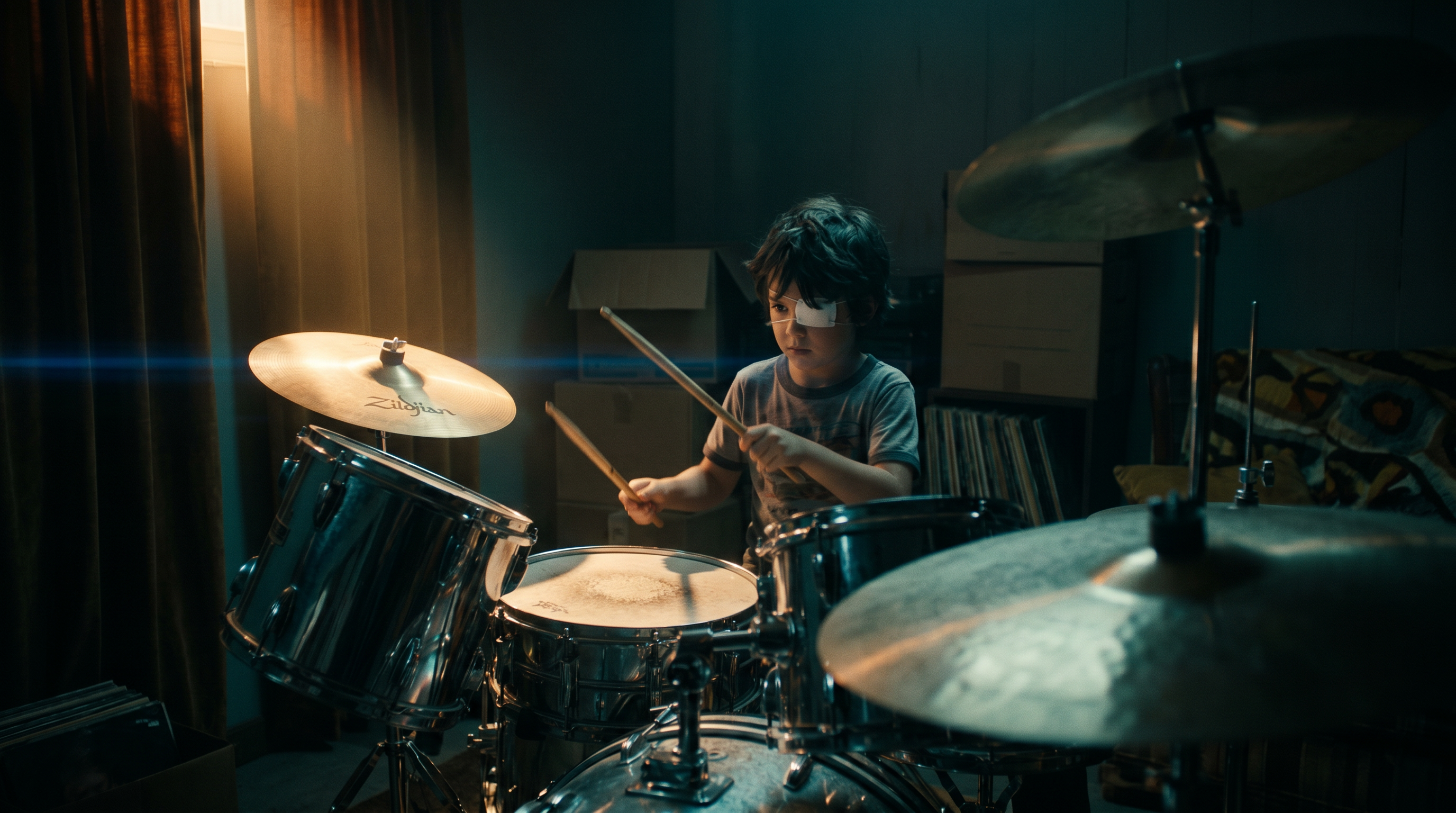
And that was because again I could do it by myself. The drums are an instrument that I for whatever reason I was attracted to and I had a passion towards. I think it was because it was very visual. It let out a lot of the energy that I had and I just loved it. And then collecting was kind of like the quiet time thing. But both of them could be done at that stage anyway.
And collecting even to this day can be done by yourself. Music is a communitydriven experience. But at that time when you're a young kid, not it doesn't have to be as much. But as you grow, it's all about collaboration. Whereas collecting was like I could just go to baseball card shows or whatever and just me and you can make fun of me. You could point to my eye, you could make, you could do whatever you wanted, but I could collect my cards and I could find my refuge.
So that was like up to 12 years old when I was starting to play clubs and starting to explore playing with older musicians than me, of course, cuz kids my age were playing in garages and basement.
— Let me jump in there, David. Let me jump in there, David. So Marty and John. So I got So it's quite clear to me that David might be a humble soul because at 12 years old, John and Marty, he's playing clubs in Boston and he started hanging out [clears throat] with and playing with John. You might recognize a few names here that I'll just throw on the table here.
Franjone has played with a few guys like some guy named Jagger. Johnny like Stones guy. He's hung out with some guy named Steven Tyler and the guys at Aerosmith and some guy that Marty he died a few months ago. I think his name's Aussie. He's been doing some stuff with Aussie. Some guy from the Beatles too named Ringle Star and some guy named Elton John.
So Mr. Humble David here, John and Marty. Friend, has been hanging out in the clubs playing music since 12 years old while his peers are all playing baseball and hockey and sports. And friend Joanie, you're out there [bleep] rocking it up in the clubs, man. Like, tell us about that. 12 years old, you're in Boston clubs and you're meeting these Let's just Frank, you're meeting these musical icons today.
— Well, let's put it in context. The musical icons and collaborators of mine came later as my career grew. Okay? Right. And so now these are people that I'm working with and and that's part of accomplishing my dreams and being able to do big things. Yeah.
— The 12y old David not close to those people other than buying their records and hanging their posters on my wall and in the clubs. I'm playing dumps. I'm playing places that
— But dude, you're 12 years old.
— Yeah, man. How many Let's just double that metric. How many at 24 actually have confidence to do that?
— It's true. Well, that's the blessing, John. So, let's put this in Hold on. Let's put this in context. Our man here is a [bleep] He's our man here is the man. Period. He can he can downplay. Oh, let's put it in context. I met all those people later. You were [bleep] 12 in the clubs, dude. That was awesome. I want to hear about that. [bleep]
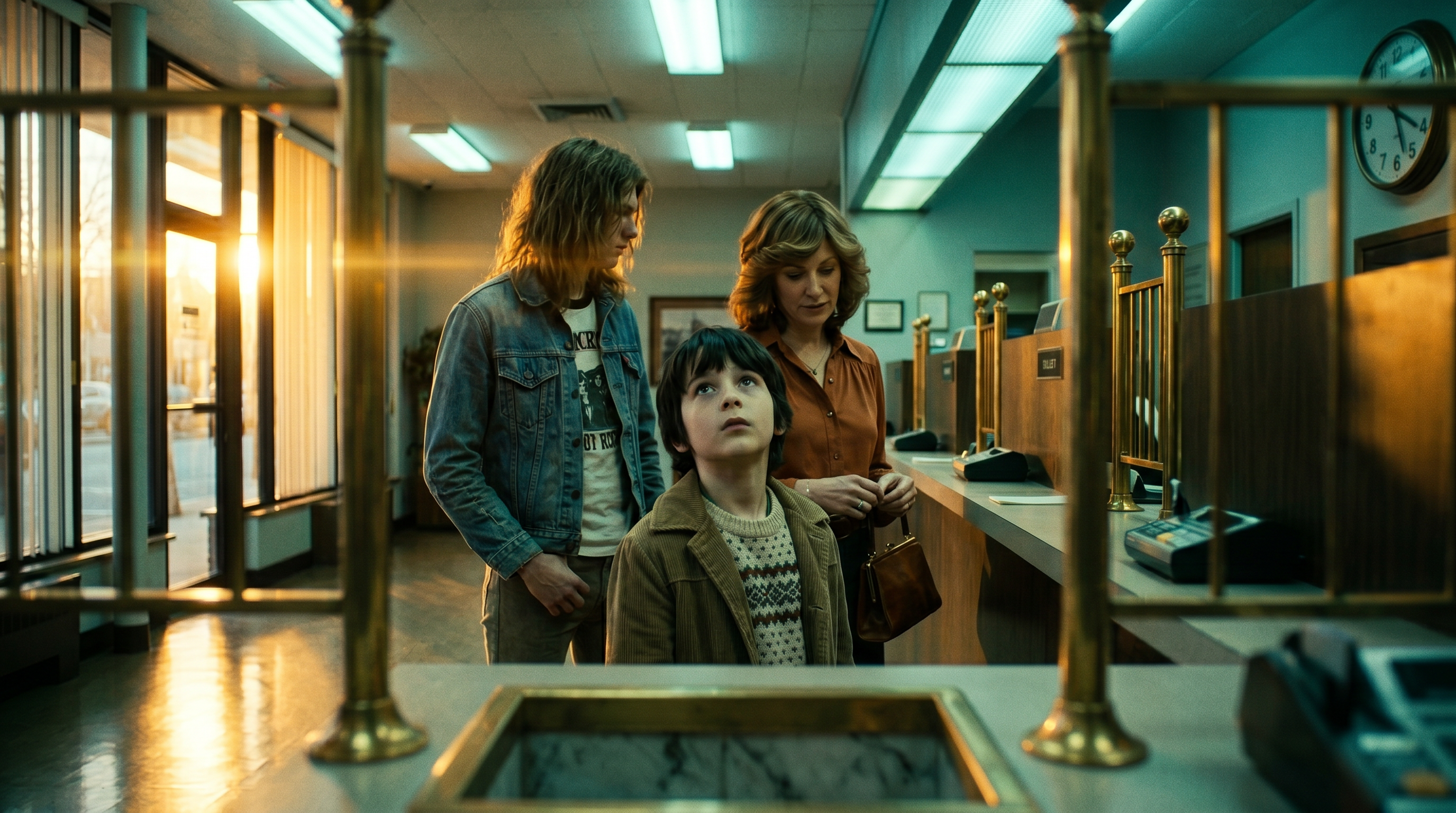
— Well, thank you. It was about me wanting more. That was the go big or go home at that age. Unconscious, but that was what was in my soul and that was what was driving me. So what I would do is I would just go out and find musicians. I was standing in a bank in my town. I grew up in Arlington, a suburb of Boston. I was standing in the bank with my mom and some kid who looked like a rocker was in line and I just started talking to him.
He's like five years older than me and he had a band and the next thing I'm in his basement jamming and the next thing you know we're playing clubs. Like I would play I would go to the opening of an envelope. Like I just wanted to opport
— I would go to the opening of an envelope. I've never heard that before. That is [bleep] funny, man.
— That's got to be a That's an industry term there for sure.
— I think so. Got to be.
— Wanted to play, man. So, the clubs So, what ended up happening is Right. Right. Be careful what you ask for. So, so I'm play now. I'm like, "All right, great. I got Now I got gigs. They don't of course they don't pay anything. That was the last thing that was possible at that moment. I just wanted to be in I just wanted to be on the stage." And so now I'm playing these places three, four nights a week, different clubs around Boston and Somerville and Austin and wherever.
And it is there. But what was amazing about it is I was learning what it was like to be in a band that young.
— Yes.
— So there's two sides to answering [clears throat] the question, right? one side is like the salacious stories and putting my costume on line storage rooms while I was tiptoeing and jumping up so I wouldn't step in the cockroaches and and go and walking by the hookers and like all okay there's all those salacious stories but the other side of it is if we want to look at it from the business perspective and the growth perspective that also is embedded in that question it's like what I learned was miraculous because I was learning [bleep] that people would learn 15 20 years later in most cases.
What it's like, what it's like to play at clubs, what it's like to do original music, what it's like to book a band and get screwed, what it's like to have and not have a contract, what it's like to load in, load out, and have legit.
— You raised in the [bleep] environment you wanted to live in that you know how rare that is.
— I know that's [bleep] awesome.
— It's like when you have It's like when you have a second or third generation anything like it's just like like for example, I had a pool built at my lakehouse and I was like I interviewed all these dudes. There was one guy that was he was a third generation. I'm like, he's my guy. He's got He's raised in this. He didn't go learn. He doesn't know any better.
Yeah.
— And that's you, brother. That's [bleep] That's Dude, that's clearly why you're sitting in front of a wall of amazing experiences in your life.
— Chief John and Marty and David Franie hanging this morning. Marty, you got some stuff for David here this morning?
— Yeah. I was just going to ask if everything you went through with your childhood and it sound like you you had some obstacles being bullied and stuff like that. Do you embrace that now? And are you happy that you went through it? Yes. Yes. And yes, I I can't imagine my life any other way because when I look back, the eye cancer was so traumatic and so lifech changing and altering and defining quite frankly that I don't know how my life would have played out any other way.
It all works out the way that it should. I artist bands and help build artist careers and music businesses at a very high level. And when and I can still draw from experiences and strategies that were born in some cases from those ages, from that young of an age. And I will see artists 25 years old that are figuring things out that I'm able to help them figure out in minutes instead of months or years.
Yeah.
— And I learned it and John pointed to this perfectly when he gave the multigenerational pool example. It's like I learned this experientially to the point where it is me.
— You don't know any better. You hear this guy say to say what he's trying to do and you're like okay bing. And he's like oh my god how did you know that? You're like [bleep] I don't know. I just know. So go do it, dude. Let's go. Let's go have some fun.
— Yeah. Well, and you know what? When I love when Tony Robbins said I heard him say one time, somebody told me I should go to a seminar when I was 17 years old. This is Tony telling the story. And he said Tony said, "Well, what's a seminar?" And the description back to him was it's a day of your time that saves you 20 years you leave there. And that's my career right now for what I do with artists and tech companies.
— Oh [snorts] man. David Franie, myself, John Anderson and C Marty Fit, Christopher Martin this morning in the lab with John and Friends. Hey Marty. John, I got goosebumps right now because we got another awesome guest who John just another story right bump in life and not even a no a bump. a bump in life and look at where he is today and what he's accomplished because of that bump.
And David, I got goosebumps, man, because I'm so grateful right now that you're hanging out with us. Johnny,
— I was going to say this right here is you hear us talk, all the listeners, you hear us talk about and I I make [bleep] videos about this constantly. You're what you think is kicking your ass the most is your [bleep] biggest blessing. So, stop [bleep] just keep looking for the silver lining. You may not see it right away, but look at our man here. I would say I had no trauma like you had, but I had enough trauma that I it pushed me in my own direction.
I'm so [bleep] thankful for that. And brother, I mean, with you, holy [bleep] you were it pushed you to get on a stage at 12. Yeah,
— I knew what I wanted early on. I'll tell I didn't have the [bleep] confidence to do it.
— Savage Fran Jo. Hey, I want I want to do a time check cuz I So, I can tell right now we are all the three of us are having lots of fun and I can see the time coming up. I had you booked for 30. Do I have permission to ask you for more or do you got do you have a hard stop in the top?
— No, man. I gave us runway. I didn't realize it was going to be this good because I didn't know you [laughter] guys getting to know you now. No, I'm in it to win it. I want to say to all three of you, thank you for the energy and the positive vibes and the insight and the passion that you have. Yes. And John, you brought up such another great point is that my mom, one of the most incredible values she instilled in me from the moment I get out of the hospital, the day that I got out with my eye, so I'm two years and change.
She said, "You're not a victim." Oh, you didn't realize that my uncle, the shyer uncle that I had, got a hand so he could park by in front of all freaking buildings everywhere. And my mom and he didn't have anything wrong with him, but he was a shyer. my mom and dad. Hey, this is what it's like. So, this wasn't my family. It was my uncle who whatever.
That's another story. But the point is that my mom purposely I would say, "Mom, he parks. He drives in at the last minute, gets the best parking spot." And he and she's like, "Yeah." And you know what? He's dishonest and he shouldn't even have that. But besides the fact, you're not getting a handicap sign. And I never have had one in my entire life, man.
— But that's just a small example of a big value.
— Yeah. 100%. Dude, that what that first opening statement she made to you're not a victim.
— Yeah.
— [bleep] that probably that was priceless for your life. And I don't mean monetarily. I'm talking about every area of your life.
— That's right. That's right. You have to own it. And as soon as you make a as soon as you make an excuse or as soon as it's not your responsibility, you're done. It's 100% my responsibility. And so when things don't go the way you want them to, you've got to see why. And then I've got to be able to say, "Okay, what's the lesson here?" And and those lessons, man, it's hard to peel out some lessons when you're in pain or there's real conflict happening.
But that's what the whole point of doing the work on yourself and doing the work in life and then trying to help others and then you learn from doing that as well and inspiring others. That's what the whole point of it is. It's seen in those moments. It's not seen when we're all sitting here now having a conversation. There's no challenge. But when things really are hitting the fan, that's when I really see the work that I've done and the years that I've put in on being able to say, "Okay, here's how we're going to make a turn.
We're going to pivot and we're Yes, we had this bump. It's happened, but here's where we're going with it." And then I always am able to elevate.
— Love it. Marty, you going to say something?
— Yeah, I was going to say something. I was just going to say nowadays, everyone is looking for a reason to be a victim. Man, woman, regardless, gender, searching for [bleep] It's crazy. I love that your mom said that. So David, usually usually when guests leave, we like to have a little commisseration about our guest experience, but I'm just going to do it right in front of you.
John and Marty, there's a trend that I'm grabbing from David as we're hanging out with him. The love for his parents. Hey, John. Marty, like you talk like you, we've talked about all the guys he's worked with and the success he's had professionally. But it's right, it's quite striking to me, David, how much love you've had for your mother and father and how much love they had for you.
And I bring it up because as a show, for the kind of show that we have, sometimes that's always not the case for our listeners. And it's it really strikes me the love that you clearly had as a young man growing up. I think it's clear. Is that right, David?
— Thousand%. And my wife my wife Karolina, we have a very close relationship. She's the greatest woman I've ever met other than my mother. And she's an incredible mother and wife and person. And so standard was set so high that only Carolina have I met in my life that meets that standard. And we have the chemistry of course in addition to that. But that love was born starting yeah as a kid.
So yes, my parents and you know what I have to say and I think a lot of kids do this but whether they do or they don't I can say I took it for granted for a long time right as a kid you're immature and you only know what so what I saw was loving parents on oh every parent is loving. Oh every parent is nurturing. Oh every parent will drop their kids off at 1 in the morning when they're 13 years old at a freaking club and let them play the drums.
Like oh that's just what parents do. And then as you get older, you realize, holy crap, I had the one in a billion parents. Nobody would do that. And nobody would care that much and love me that much and trust me that much. And one of the things I wanted to make the point to Keith, Marty, and John, to you guys that you've all brought up and talked about, and John's really honed in on this, is that when I was a [clears throat] kid playing the clubs, the one of the biggest takeaways was how much I hated the lifestyle.
But they let me experience that. I've never done a drug. I've never done a drug. I've never tried one drug in any capacity. I've never taken a cup of a cigarette. Never had alcohol other than a sip of wine or or a champagne toast on New Year's. So that was all taken from that early age of seeing so much drug, prostitution, and alcohol.
— Quick question there, brother. What type of resistance did you get with that when you came into these worlds that were filled with that? Because I was, keep in mind, I was not a when I came into my different worlds, there was a lot of that going on and there was sometimes me not wanting to participate was met with a lot of friction.
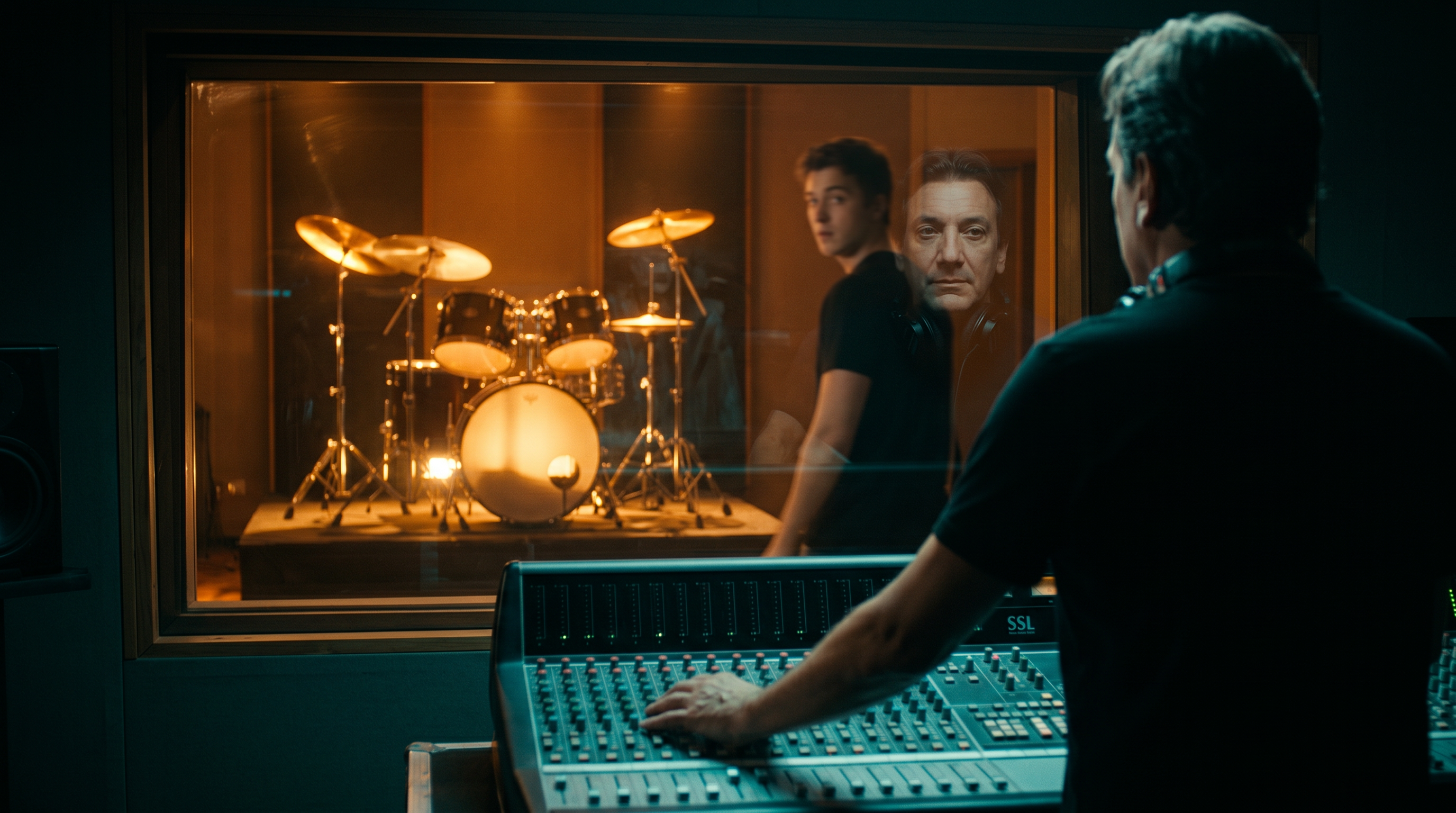
— Yeah. No, it's true. There were moments, fortunately, the most rampant use of that was when I was a kid in the 80s. There was a lot of it and it was starting as I got my breaks as we get into like 1986 87. I'm still a teenager, but I'm like 18, 19 years old and I'm starting to get breaks. I'm starting to make things happen. I'm transitioning out of the clubs and into music technology and in onto what they call the other side of the glass, right?
Because in the recording studio, you have the control room where all the tech producers are and then you have the live room where everybody's playing. So the live room is where I started, clubs, the stage as a drummer and musician, and then the other side of it is where my career took me and where I really wanted to be and am. But as that transition was being made to the other side of the glass, I was the music business in the world was changing.
So drug use was be people were getting clean. When I started with Aerosmith, they were in sobriety.
— Oh [bleep]
— Oh yeah. That they were coming out of the the toxic twins.
— Yeah. Yeah.
— Perfect timing for you.
— Yeah. Let's do this. Let's do this. David, so so you'll appreciate this. Actually, David, I like to run a pro show here. I know that time is actually unlimited, but I like to run a pro show and I like to hit my mark. So we're top of the hour. We're gonna do a lifestyle tip with Anderson. We're gonna do a reset an hour or two. We're gonna come back to conversation with you.
Does that sound good?
— Let's do it.