Don Michael Vickers is one of the most unlikely world records holders you will ever meet. He is not a savant. He did not grow up with a photographic memory. He did not spend his childhood impressing teachers with feats of recall. Don Michael Vickers grew up in Sydney Mines, Nova Scotia — a working-class mining community on Cape Breton Island — playing hockey, competing in athletics, and living with what he genuinely believed was a mediocre memory. He was, by his own account, nothing special in the cognitive department. That ordinary beginning is, in fact, the entire point.
Read the full guest story
Don Michael Vickers is one of the most unlikely world records holders you will ever meet. He is not a savant. He did not grow up with a photographic memory. He did not spend his childhood impressing teachers with feats of recall. Don Michael Vickers grew up in Sydney Mines, Nova Scotia — a working-class mining community on Cape Breton Island — playing hockey, competing in athletics, and living with what he genuinely believed was a mediocre memory. He was, by his own account, nothing special in the cognitive department. That ordinary beginning is, in fact, the entire point.
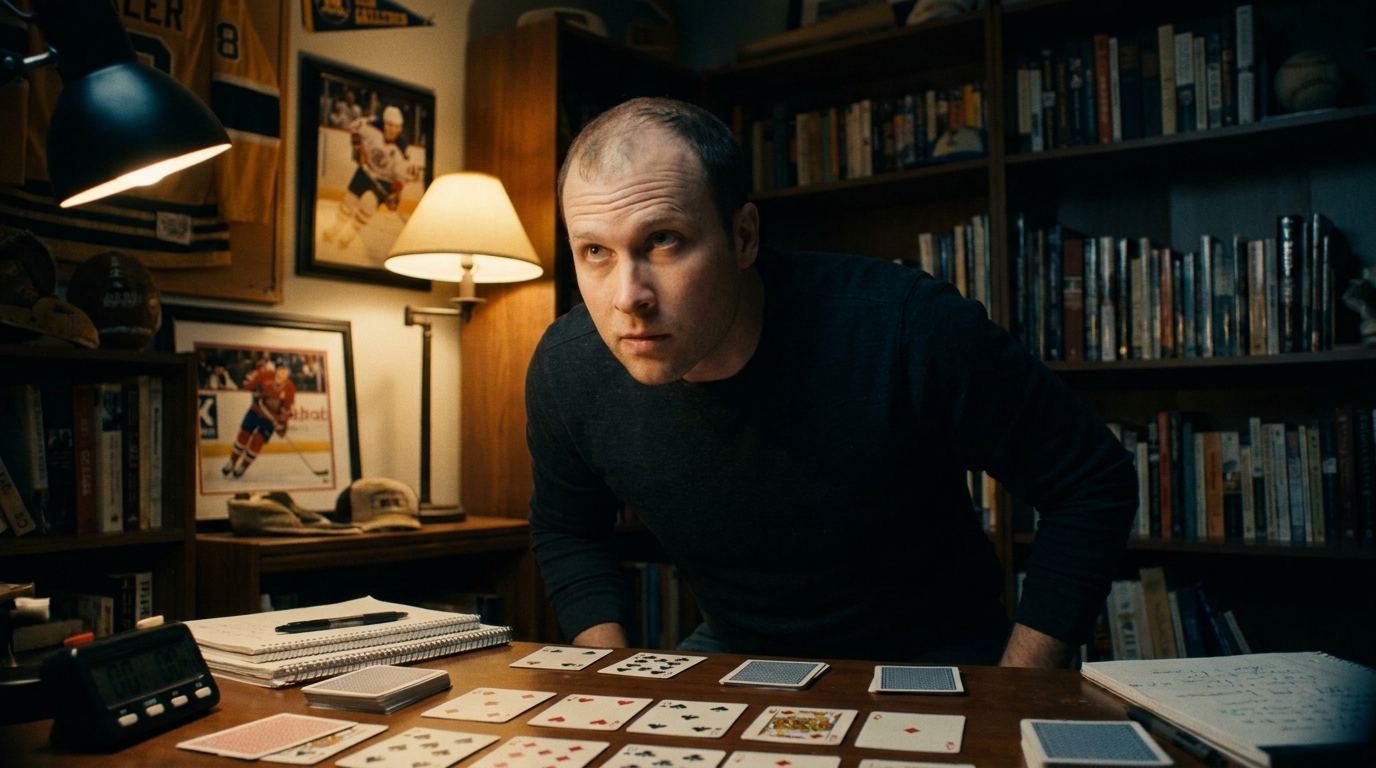
In 2020, a vision-threatening injury ended his hockey career and forced a reckoning. What do you do when the thing you've built your competitive identity around is suddenly taken from you? For most people, that question has no satisfying answer. For Don, it had one that would change the trajectory of his life. He picked up a book — Nelson Dellis's 'Remember It!' — and discovered the ancient art and modern science of deliberate memory training. A colleague named Braden Adams pointed him toward Memory League, an online platform where memory athletes compete in real time across disciplines including words, numbers, names, images, and cards. Don logged on, tried a few rounds, and felt the competitive fire ignite. He was hooked.
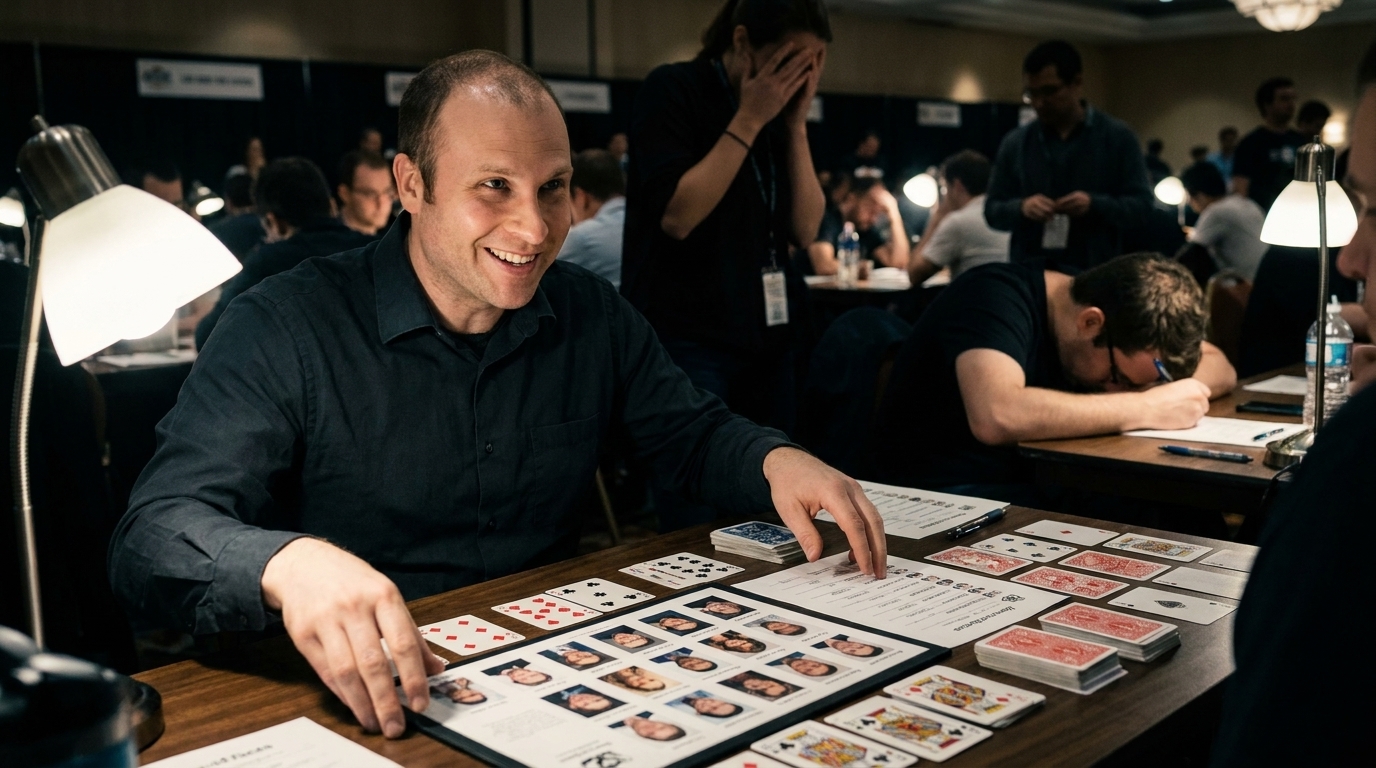
What happened next is a study in the power of applied methodology over raw talent. Within five years of picking up his first memory training book, Don Michael Vickers became a world record holder. In April 2024, competing in the Memory League Pan American Open, he became the first person in history to perfectly memorize 50 random words during an official competition in 37.54 seconds — a feat that had never been achieved before at that level. He then broke his own record weeks later, bringing the mark down to 32.41 seconds. In practice, he has since pushed the barrier below 20 seconds, memorizing 50 words in 19.90 seconds — a speed that strains credulity but is well documented by the memory sports community.
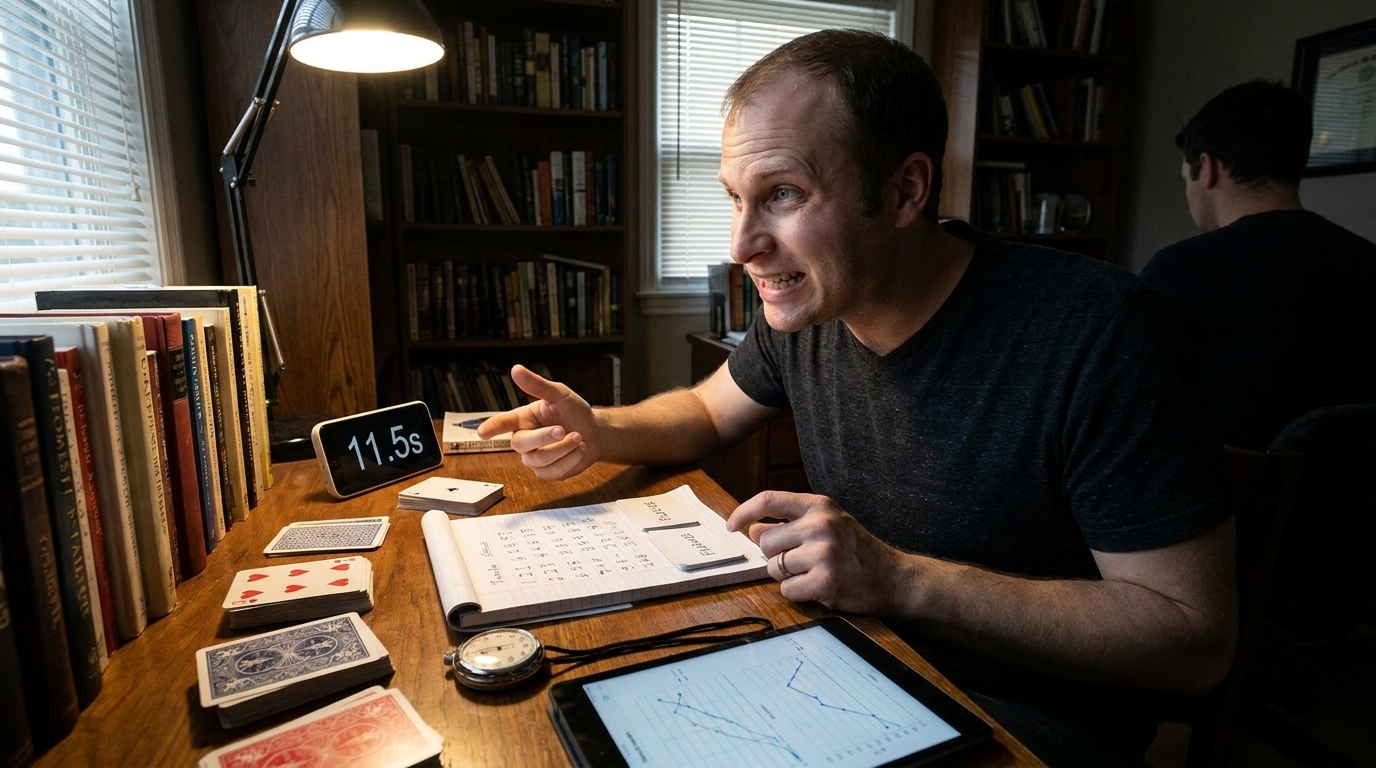
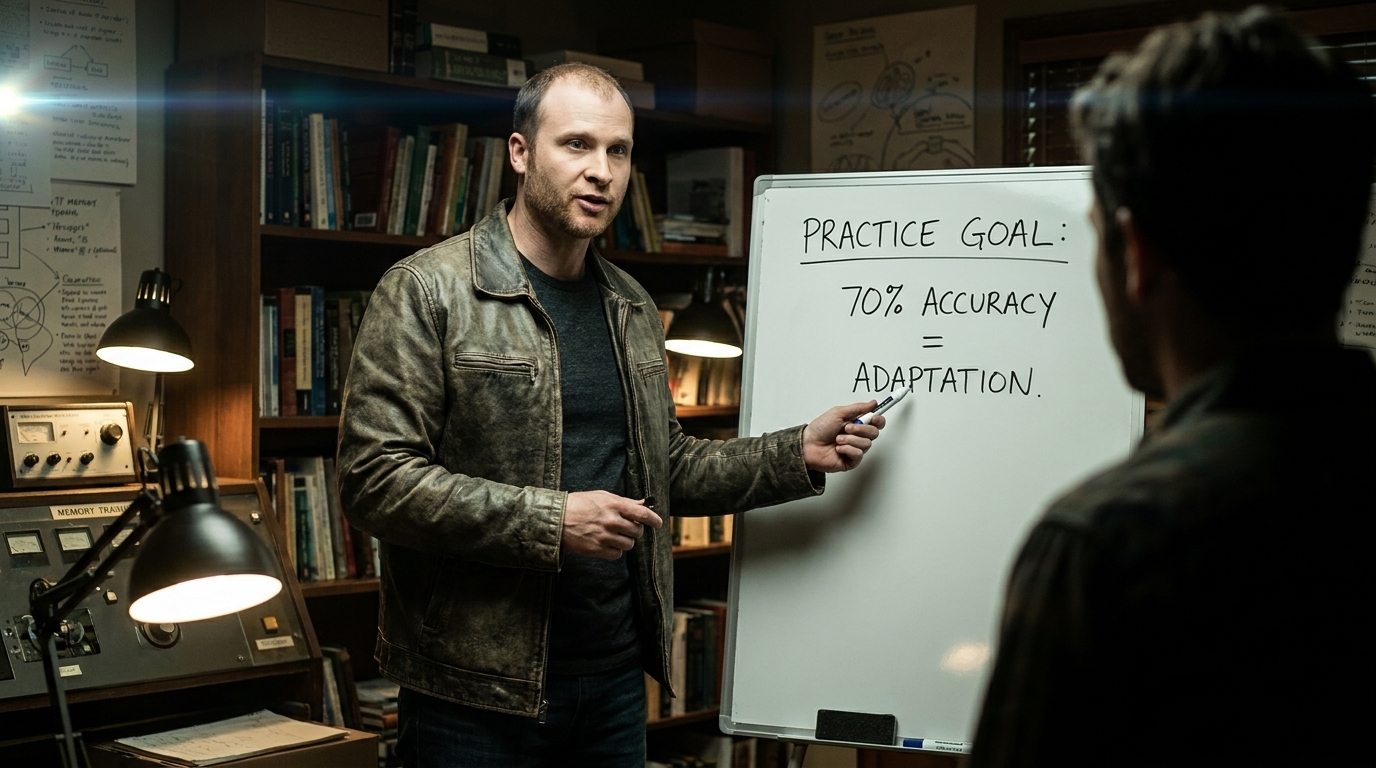
Those numbers deserve context. A full deck of 52 cards, memorized in order, in approximately 25 seconds. Eighty digits, perfectly recalled, in under 20 seconds. Thirty names and faces, matched in around 50 seconds. These are not tricks. They are the product of a training methodology so rigorous and disciplined that Don compares it explicitly to athletic conditioning: progressive overload applied to cognitive performance, deliberate practice at discomfort, systematic encoding through visualization and spatial memory. Don trains his memory the way a sprinter trains their legs — pushing beyond comfortable pacing, targeting accuracy at speeds that exceed his competition level, accepting partial scores in practice so his body adapts.
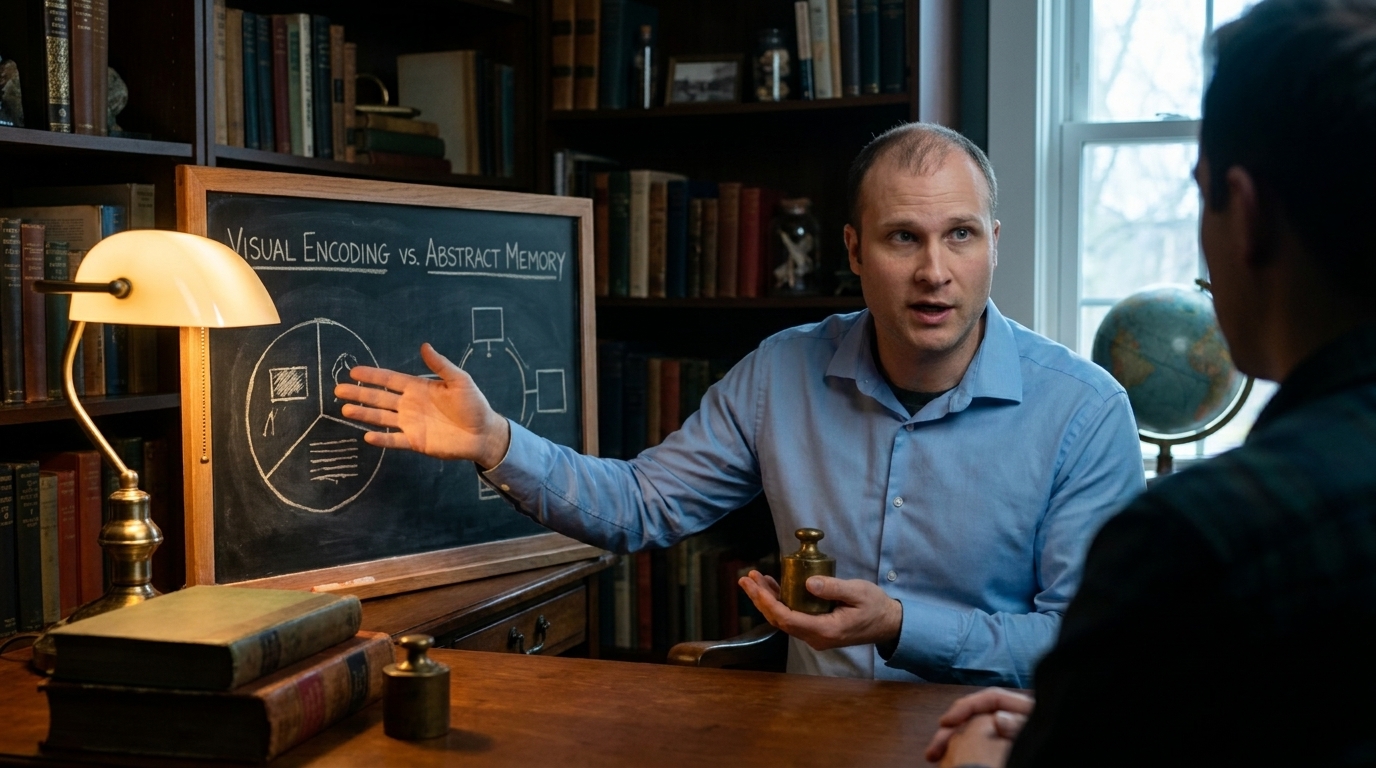
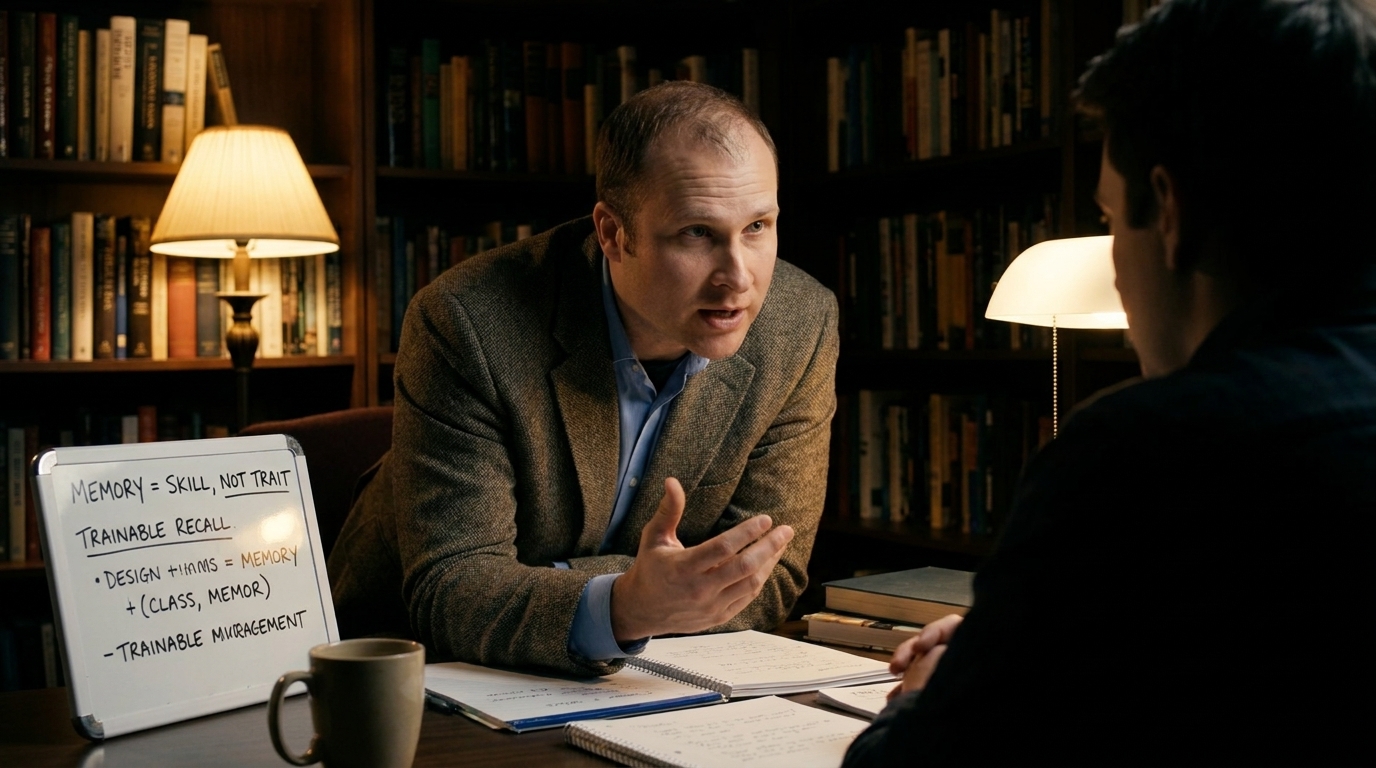
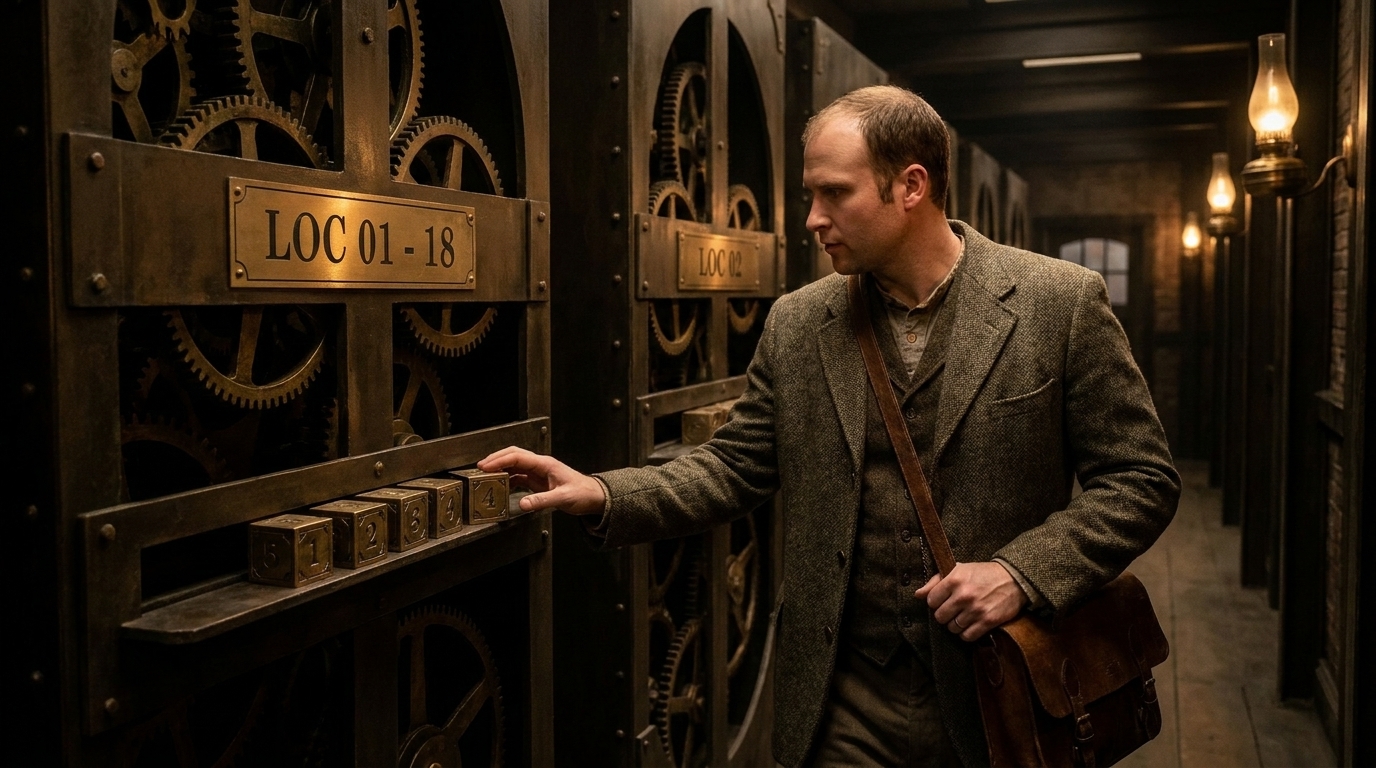
At the heart of his method is the memory palace — a technique dating to ancient Greek orators — married to a modern encoding system that translates abstract information (numbers, words, cards) into vivid visual narratives anchored to physical locations. The approach is not innate and not mystical. It is learned and teachable, which is precisely Don's core message: photographic memory is a myth. Exceptional memory is a skill. Anyone who is willing to train can build it.
In 2025, Don competed in the Memory League World Championship as one of the top 16 memory athletes globally, finishing third — an extraordinary result in a field dominated by athletes who have been training for decades. He has since launched Vickers Memory Consulting, offering personal memory coaching at $100 CAD per session and corporate memory workshops, with a mission to bring the performance science of memory sports to working professionals, executives, and anyone frustrated by the daily friction of forgetting.
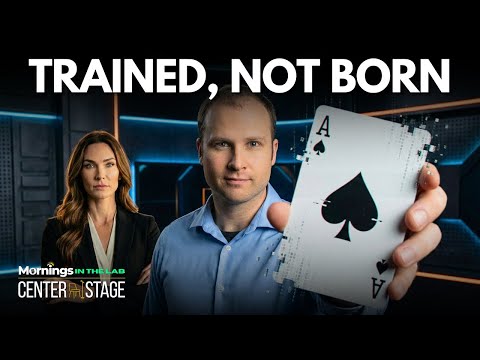
Don Michael Vickers appeared on Center Stage on Mornings in the Lab alongside host Sophia Grant, where he demonstrated his methodology live, walked through the science of encoding, and made the case — with infectious conviction — that the phrase 'I have a bad memory' is not a statement of fact. It is a statement of untrained potential.