Read the transcript
Someone told you what you couldn't be. A
teacher, a coach, a doctor reading a
chart. You remember exactly where you
were standing. That voice doesn't fade.
It just moves to the back of the room,
and it speaks up every time you reach
for something bigger. Most people build
their lives around that voice. They stay
inside the line someone else drew for
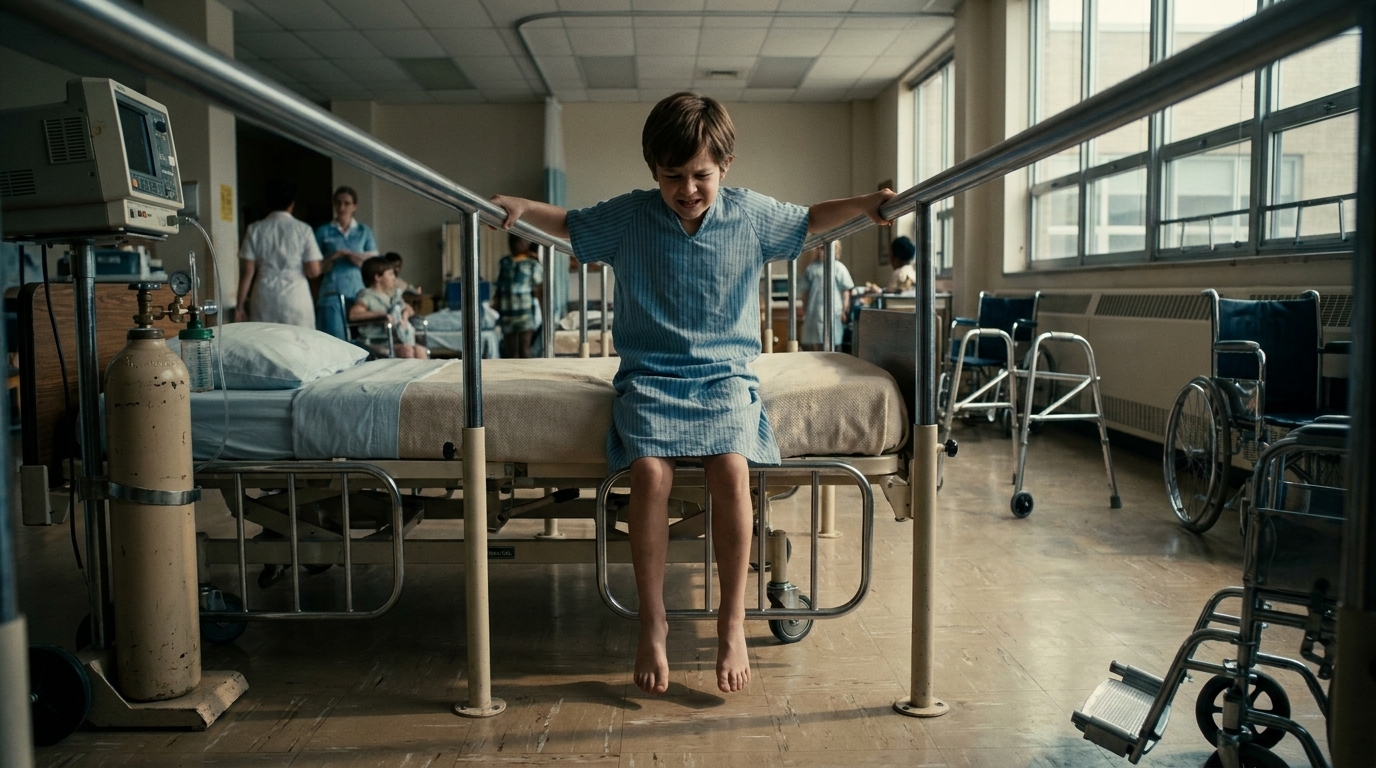
them. Jack Wilson was born weeks early,
under two pounds. Both lungs collapsed.
Before he could take his first breath,
the chart already had a verdict. That
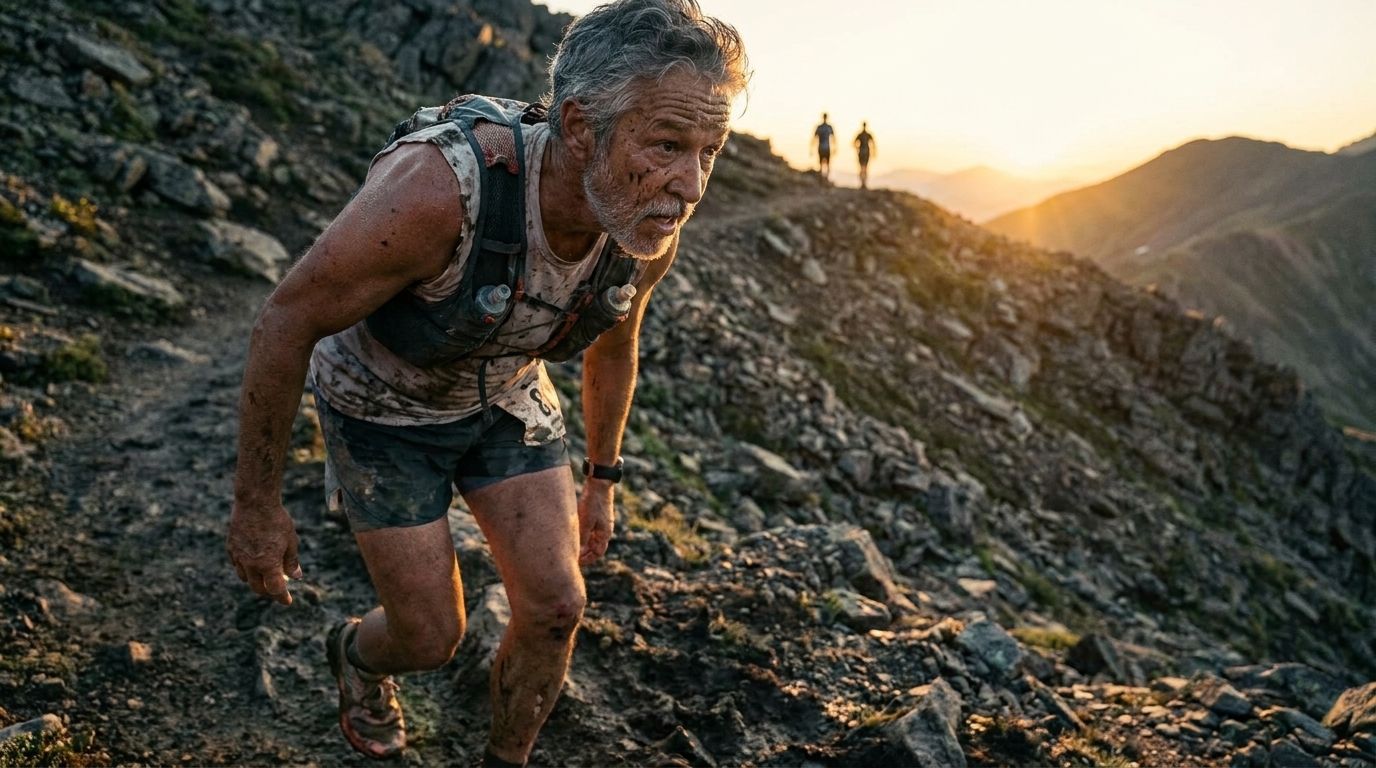
kid ran all the way to a track
scholarship, the Olympic marathon
trials, and 200 marathons. They said
he'd never be an athlete. At 8, he ran
his first mile at YMCA camp in 748. He
still has the blue ribbons. In 2021, he
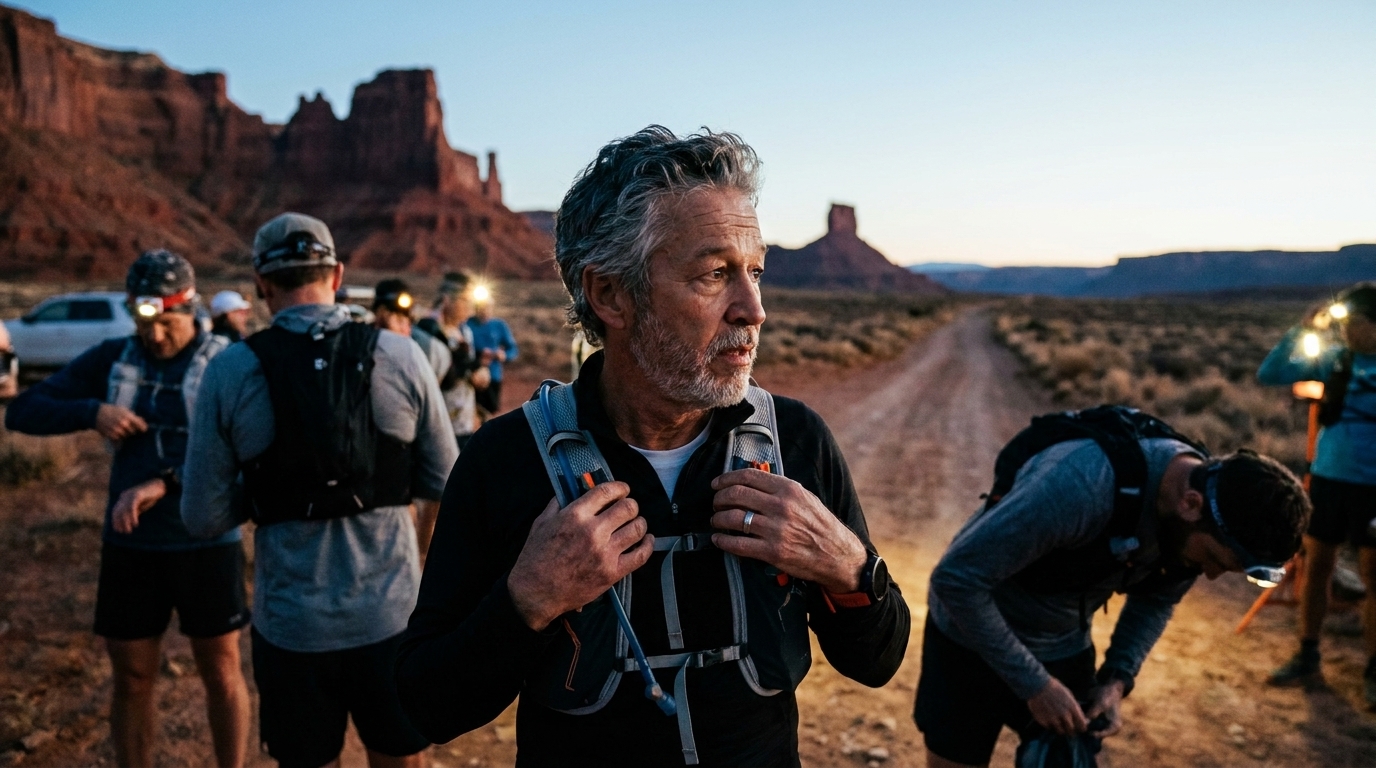
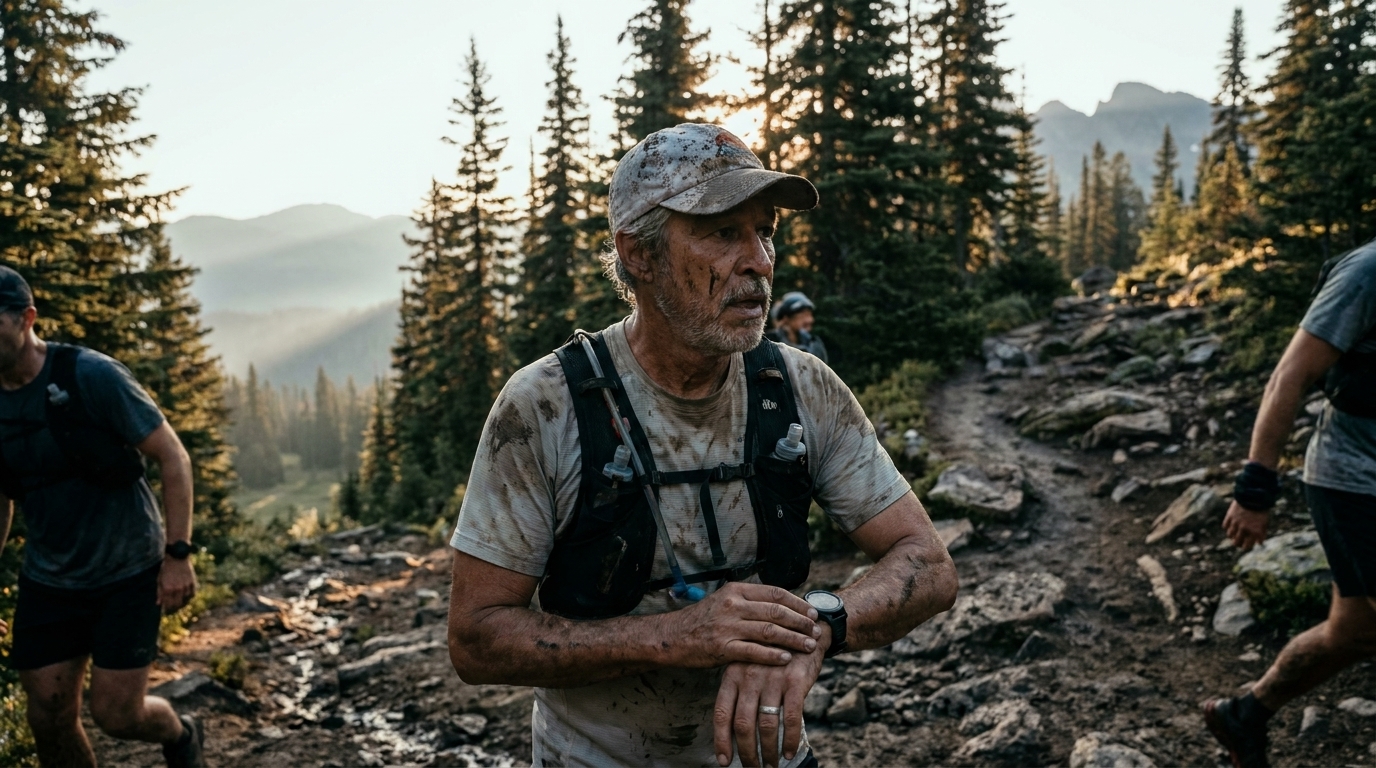
entered the Moab 240, an ultramarathon
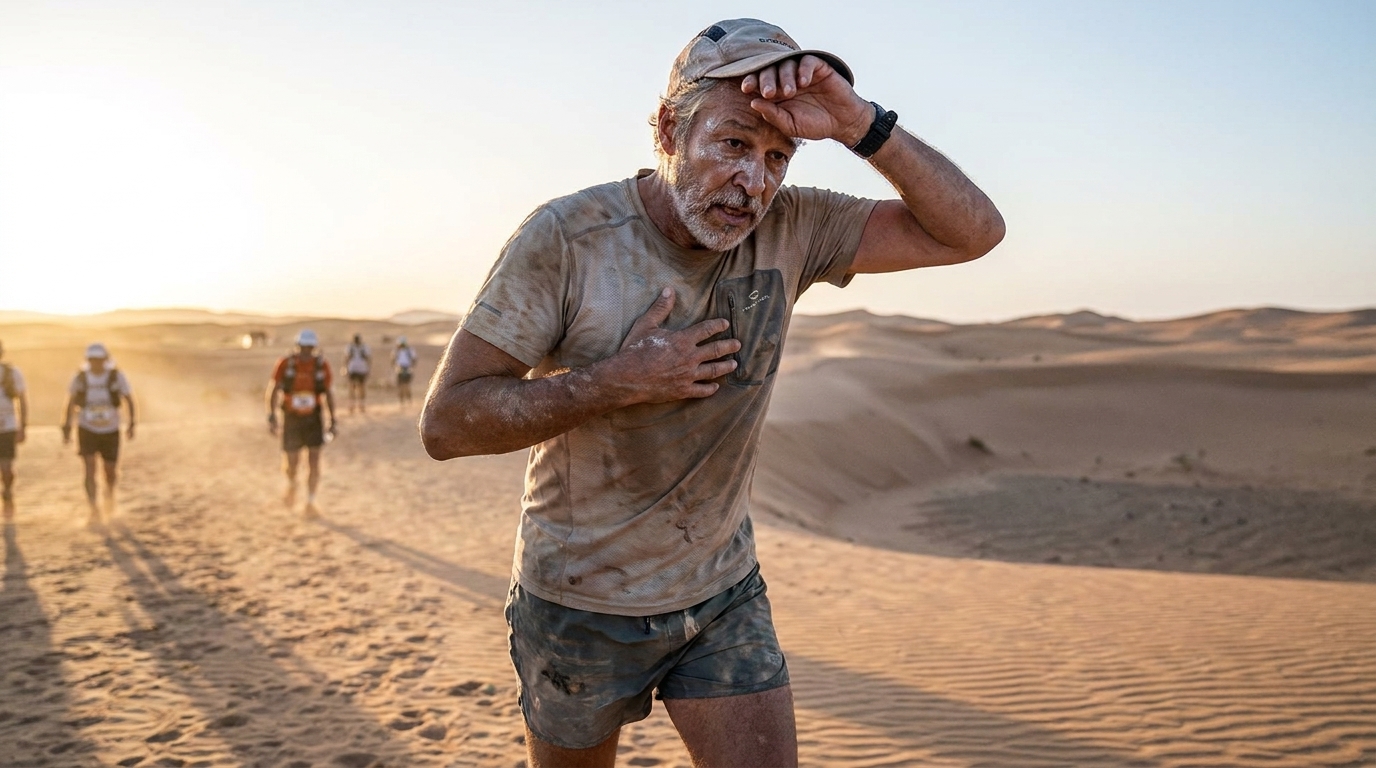
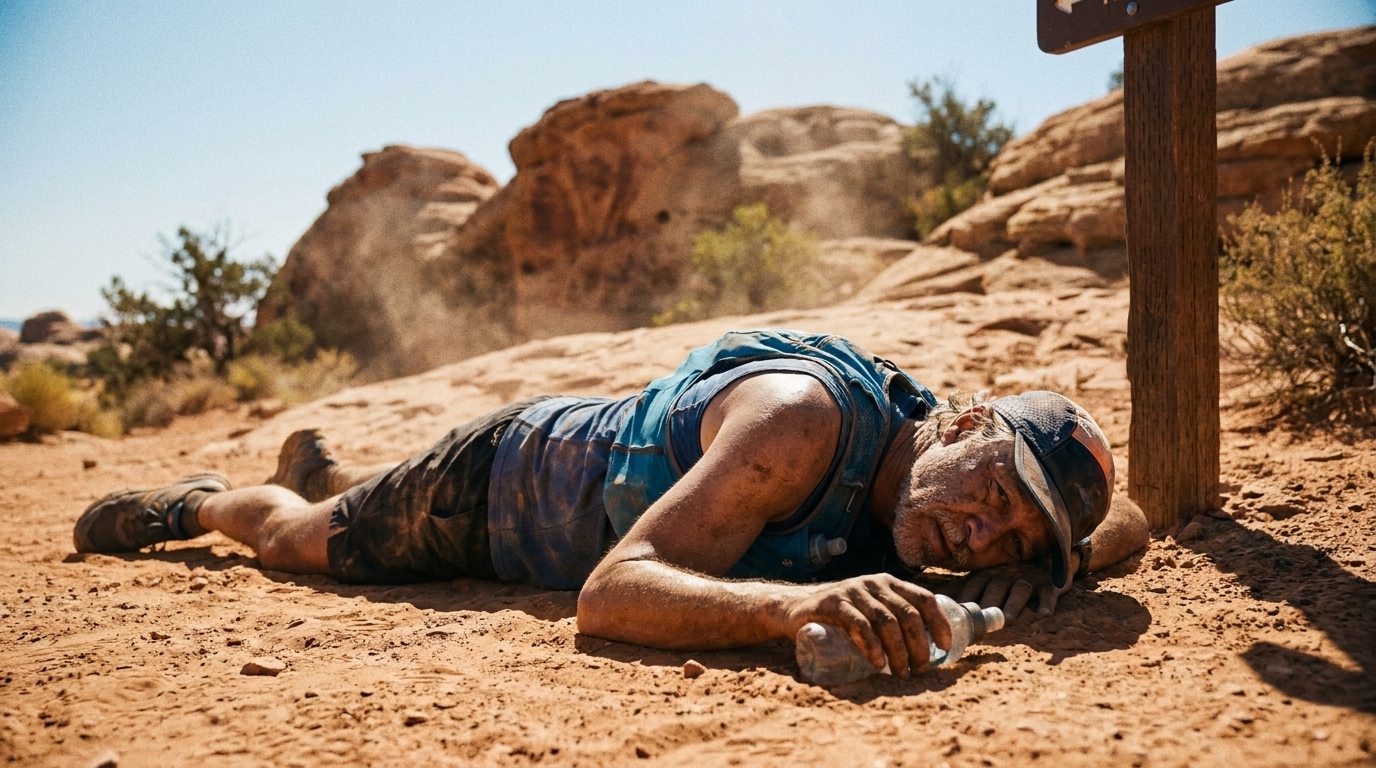
through the Utah desert. At mile 140,
his kidneys started shutting down. The
desert won. He came back the next year,
carried an engagement ring in his shorts
for 240 miles. At the finish line, all
10 toenails gone. He couldn't stand. He
got on one knee and proposed. She had to
help him back up. If someone once told
you what you'd never be, this
conversation is for you. Jack, welcome
to Mornings in the Lab. It's good to sit
down with you.
>> Honey, who was born under two lbs. He
was told he'd never be an athlete. Then
he ran 240 miles, proposed at the finish
line. Let's bring him up, Jimmy. Jack
Wilson this morning on Mornings in the
Lab with Keith, John, and Friends.
What's up, Jack?
>> Hey, Jack. What's up, brother?
>> Hey, good morning, guys. Thank you for
the opportunity. Looking forward to it.
>> Yeah. Where are you joining us from
today Jack?
>> I live in Harpsswwell, Maine on an
island.
>> Oh, on a on an island.
>> You can take a You can take a bridge to
the island. So, you don't have to boat
it, but it's still an island.
>> Yeah. Tell me. I I love the water. Tell
me about your island. How big is it?
>> Well, so it it's its claim to fame,
John, is it's a working waterfront. So
chances are if anyone out there eats
lobster, it's probably a good a good
chance that it's coming from this little
village called Harpswwell. So, yeah, I I
think permanent residence is under 3,000
>> and then and then because we're getting
ready to hit the the tourist season,
this thing will will blow up to, you
know, 8 10,000 people
>> and then, you know, everyone wants to
come eat lobsters, look at the bald
eagles and seals and all of that stuff.
>> Oh, yeah.
>> Is it like is it promise most of like M
Paws or do you have like chains that
have come in there? No, it we're we're
we're 100% mom and pop.
>> That is
That is There's one little gas station
on the island, I think.
>> And no subways.
>> Oh [ __ ] No.
>> Perfect.
>> Oh, perfect, dude. Oh my god. Sounds
like a [ __ ] paradise. I came I came
up here during during CO was going
through a divorce after 36 years and and
I just I was coming up here really to
train for a race and got kind of
surprised on the on the whole divorce
thing and just fell in love not only
with my with the the girl that I met
after my divorce but with just how
beautiful it is up here. Amazingly,
stunningly beautiful.
>> Yeah. Yeah. Jack and John with Keith
Bill this morning on Mornings in the
Lab. Jack, you said something that I I
I'm sorry.
>> Real quick, have have Jimmy or somebody
put in the back pull up some some
pictures or a video of this island. I
>> Yeah, I agree. Jimmy, if you can find
So, where's that Jack? What's What's it
called again?
>> Harpsell Maine.
>> Harpsell Maine. Jimmy, if you can find
that for us and throw it out, that'd be
great because I do have to ask a
question. Jack, my brother here is is
great with words. Johnny is I've never
heard somebody who listens as well as
John. Picks everything up. But, but I
pick something up too every now and
then, Mr. Anderson. And Jack, you said
something which I'm confused about.
Okay,
>> you're on an island, but it has a
bridge. But that is not an island.
>> Yes, it is. You weirdo.
>> What is wrong with you? An island can't
have a bridge.
>> Thank you, John.
>> [ __ ] Don't listen to this guy. He's
[ __ ] nutty as a fruit cake, dude.
>> Jesus Christ. He tries to make these
[ __ ] arguments and they're so [ __ ]
dumb. It's unbelievable.
H. However, Keith, we do have many
islands for you guys that want to take a
[ __ ] boat. And
>> Okay, there you go. Thank you. That's I
want the real island, Jack. I don't want
to pretend that.
>> There's a So, an island that you can get
to on a bridge or an island that you
have to get there on a boat. They're
both [ __ ] islands, you weirdo.
It's
>> true. It's connected to nothing other
than the bridge.
>> I just like to get reactions out of my
brother, Jack. Hey, Jack. So you also
said something 36 years of marriage e
would you mind sharing with us like then
you went through a divorce that's a long
time brother and this we know our show
for men we know it's funny because you
know the title of today's show is that
that sucks day why men struggle to admit
failure and if you wouldn't mind maybe
leaning into that like 36 years man and
then all of a sudden it's time for a
change. Yeah. Third 36 years. I mean,
you know, the the honesty is and for
people out there that are either going
through the initial phases or have gone
through it, you know, that you're you're
you know, it's not a when it happened,
it should have happened probably 10 or
15, you know, and and it for me it was
I'm literally a victim of COVID in the
sense that I was a, you know, a business
executive, three million mileer on
Delta, lived in Atlanta, you know, so I
was I was literally for 20 years a
part-time husband and a part-time
father.
>> I would be gone all weekend, sometimes
for weeks at a time.
>> Yeah.
>> And then come home and do that weekend
warrior, you know, get my fix of of
being a a father and a and a h
>> husband. And then when COVID hit, you
know, we were all [ __ ] forced
together for some period of time that no
one knew, right? It was like unknown how
long this was going to last. Yeah. And I
was I was not prepared quite honestly to
to just be in that environment. And so
it it kind of compounded and then I got
this this consulting gig in Paris out of
all out of all things. We're we're six
months into co and this French guy
because I used to live in Paris speak
French and and he said you know hey
we're going to launch a company after CO
and we would really like your expertise
on on helping us get there. So, I
thought it was a consulting engagement
that we could do like this over Zoom,
but the crazy French had a different
idea and they said, "No, no, no. We want
you in the office." And I said, "Guys,
it's a global pandemic going on. What
are you talking about?" They said, "No,
no, we'll get you a a special visa." And
I thought, "Well, it's the French, you
know, it'll take them for [ __ ] year
to figure this out." And they and they
and they figured it out within two
weeks. I thought I thought, "Shit, man.
I'm going to Paris in the middle of a
pandemic. So, go to the airport in
Atlanta, get on the big airplane that
maybe had 10 people on it. So, that was
just a mind-blowing experience. Fly into
Charles de Gaul completely empty.
>> Yeah.
>> And get a taxi. And so, anyway, I worked
with these guys for two months and my my
then wife said, "Hey, listen, man. Our
shit's kind of going sideways. Why don't
we take these? You're going to be gone
two months. when you come back, it's
going to be the start of like summer
break. So, she's got two and a half
months off. So, let's take this four and
a half months. You do you. I'm going to
do me. We never talk about whatever
happened during that four and a half
months and then let's decide at the end
of it like real adults if we're going to
stay married or not. I thought it was a
fant I thought it was a fantastic idea.
So the whole time I'm in Paris, I've got
this vision of Boys Gone Wild, you know,
I'm gonna be Ma Matthew McConna, you
know, s bongo drums, beach, you know,
doing all that [ __ ]
>> And I just couldn't figure out where I'm
going to go with this newfound freedom.
So I'm within two days of leaving Paris,
can't figure it out. And I get that
phone call from that friend that
everyone has that you speak to twice a
year. And as soon as you speak to him,
it's like you're best friends again. So
I'm in Paris. I get the phone call and
it's my buddy Bob Davis. And Bob's like,
"Jack, what's going on?" I said, "Hey
man, I might be going through a
divorce." And he said, "I'm heads down
into one. I've come up to my cottage in
Maine and let's chill out." So I'm like,
"Okay, I'm going to Maine and I was
going to be here for six weeks." So I
come home, my kids, my wife, we set them
down, tell them what's going on. They
helped me pack my RV and I'm up here for
about three weeks and I get I get sucker
punched by that knock on the RV door and
I got served divorce papers.
>> Oh yeah.
>> And it completely changed my my life,
who I was, who I am now. It was it was
painful. It was embarrassing.
>> Hey, why did brother Why did you feel
like it was a sucker punch? Yeah,
because because we had the agreement
that that you know, hey, we we were
going to take this this time because the
timeline wasn't up yet. I got
>> Yeah, the timeline wasn't up. And I and
I think what happens is, you know, she
got with all the girlfriends in the
afternoon drinking wine and, you know,
husband bashing, so she got that shot of
courage. Oh, there there there you go.
There there's where I live, guys.
>> Okay, good. So, I don't see a bridge.
So, I do believe, John, that he lives on
an island now. So, thank you. So, I
think Jimmy erased the bridge. John,
don't [ __ ] shake your head at me,
brother. No, don't don't don't don't
shake your head at your husband, Johnny.
You, Jack and Keith and John,
>> you know what? You're you're you're
you're not even my husband. You're just
you're just a whipping post.
>> You're you're workwise.
>> Yeah. You're you're just you're you're I
don't even know there's a word. You're
there's like a you're like my squab.
You're like the little You're like the
little fat, you know, person in the
goddamn tribe that walks around and does
this [ __ ] that I don't want to do.
>> There's his house. There's Jack's house
there in Harpsville, Maine. That's it.
That's awesome.
>> Which is the big island? Is that the one
you're talking about, brother? There's
There was a few of them.
>> There there there are I mean, guys,
there are hundreds of islands.
>> Oh, yeah. Really?
>> That Yeah. I mean, there are so many
islands here. Most of them are are not
in inhabited. So all all of these are
just little islands out in the ocean.
That that big one there is probably
inhabited. Can't really
>> There's some islands that might only
have a few hundred people on them.
>> That's pretty cool, man. That's that's
>> There are some islands, guys, that have
like three people on them. You know,
they build these they build the houses
and you know, you can only get there.
>> So they do they own the island?
>> They do own the island.
>> Wow.
>> [ __ ] killer.
>> That's awesome, man. That's awesome. So
you you you can see kind of the makeup
there just you know how how it's all
fingered together. It's
>> Oh, that's really cool, Jack. I didn't I
didn't That's really cool. Thanks for
sharing that with us. Let's take So John
asked you a great question and and I'm
I'm curious about this. You know, you're
you're in your head. You're going
through this process of of figuring out
your lives and all of a sudden the do
the knock on the door and you're you're
you're you're
like, "Holy [ __ ]
>> Holy shit." And and the guy was so cool.
He was an old guy with a straw hat and a
pair of overalls, right? I mean, just
remember that you remember that AJ like
it was yesterday.
>> You you'll never forget it, man. And so
he hands me this this thick document,
you know, papers, and he said he said,
"Son, you might not want to open that
until you're in the right mindset."
And I thought, you know, what's what's
he talking about? And he was so gracious
because he he could see that I was like
confused. Yeah. and and he said he said,
"Son, whatever is in that in that
document, it's not good for you." He
said, "So, why don't you go out and have
one more normal day before you open it?"
>> And it it literally sat on my on my
table for three days. I I just walked
around it, looked at it, and I got into
the right mindset and finally opened it.
And I said, "Shit, he's right. My life
is over." you know, I'm gonna have to
I'm gonna have to dig into this and, you
know, hire an attorney and go through
all the [ __ ] And it got it just got
so contentious that I never went back to
Atlanta. I literally I left for for
training. So, I had all of my summer
clothes to run.
>> Yeah.
>> And I And I never went back to my to my
home in Atlanta. I was so pissed off. I
told my my then wife, I said, "You know
what? Sell it all. I don't need any of
that [ __ ] I'll start over from scratch.
Wasn't the smartest move. It was one of
those in in anger things.
>> Yeah. Yeah. Yeah. Yeah.
>> I mean, like literally, you know, you
know, I was 55 when I went through that.
>> How old do you know, Jack? How old?
>> I I'll be 58 May 8th.
>> Okay. Okay. Okay. Wow.
>> So, all the [ __ ] that I had accumulated
in life, I just let it all go. I mean,
literally,
>> Quick question, brother. If you were
gonna take that approach by letting
everything go, why where did the lawyer
come into play? Is it a lawyer when
you're fighting over [ __ ]
>> Yeah. Yeah. I mean, you know, we you
know, we we we were fortunate enough to
have income, so we were fighting over
over over stuff.
>> But I mean, but you you said take it
all.
>> Yeah.
>> Then the only thing left to fight over
was the income.
>> Was the income.
>> I got you. Okay.
>> Right. So we we we it took us about
about two years of you know because
attorneys all they want to do is get you
guys fighting. Oh yeah.
>> So they can keep billing you.
>> Yes.
>> You know and and and for all of you for
all you attorneys out there if I'm wrong
please you can direct it at me. But you
know in my opinion this could have been
done way easier, way cheaper. And the
crazy thing is I made a very generous
offer early on. Very very generous. And
no, you know, her attorney was going to
go for the juggler. And it turned out
being at the very end of two years and
spending all that money, the original
offer that I had made is what we settled
on, which even pisses me off more.
>> Yeah, no kidding. Jack and John and
Keith this morning at Mornings and Live.
So, Jack, I'll say I I I I've gone
through that journey as well through
divorce. My attorney, shout out to
Richard. Richard Pollock, awesome dude,
man. Richard taught me a life lesson
during my journey that I I I take to
this day and I share with John often. I
was going through some conversations
during that journey and I was about to
react to something and he said to me,
he's like, "Keith, is what you're going
to say going to move the conversation
forward
and he hit me like a [ __ ] rock?"
>> And and I was like, "No, that was going
to cost you another 50 grand. You sure
you want to do that?"
>> And and it hit me like a [ __ ] rock. I
was like, "Oh, no. It's not going to
move it forward." He says, "And why are
you going to say it?" And and man, that
just that that hangs with me to this day
because because I learned I learned I
saved a bunch of money to John's point
with him teaching me that because I was
about to say something and he's like,
"But Keith, it's not going to move it
forward." He's like, "It's not going to
move anything forward, so why even
bother articulating it?" I was like,
"Holy [ __ ] man." That was and I was
Johnny was like 46, 47. Jack, that was a
life lesson. understand before I adopted
Keith, he was a very reactive little
sucker.
>> Yeah, it's true. Actually, yeah,
>> I had to teach him to stop reacting. He
was very reactive.
>> He's absolutely very right. 100%.
>> I think I think now I understand our
relationship better.
>> I had to adopt you to set to there's
that's I had to teach you the ways.
>> You're even wearing the shirt. You're
even wearing the shirt. Dominate, man.
That's
>> There we go.
Yeah. So, we have a great relationship.
Yeah. I spend my time in the in the camp
cooking. John's out there getting
getting the animals for us. That That's
Keith and John's relationship.
>> Yeah. Yeah. Yeah.
>> So, let's get serious, brother. You You
run the Moab 240. You ended in an
ambulance. Your kidneys are shutting
down. Flashing two thumbs up to Melissa
from the stretcher. And then, but you
didn't finish. But then you came back
and you finished.
brother, that is not a lot of people
would do that. Why'd you do that?
>> I I think because man, and and I'm going
to go back to being eight years old and
having, you know, that kind of
adversity.
>> Yeah.
>> I Well, so when I didn't finish the race
and I spent six hours in the hospital,
what I did when I got out is I told my
crew, I said, "Hey, take me to the
finish line." And they said, "Why the
hell do you want to do that?" And I
said, 'Ive got to see this with my own
eyes, right? I I' I need to see someone
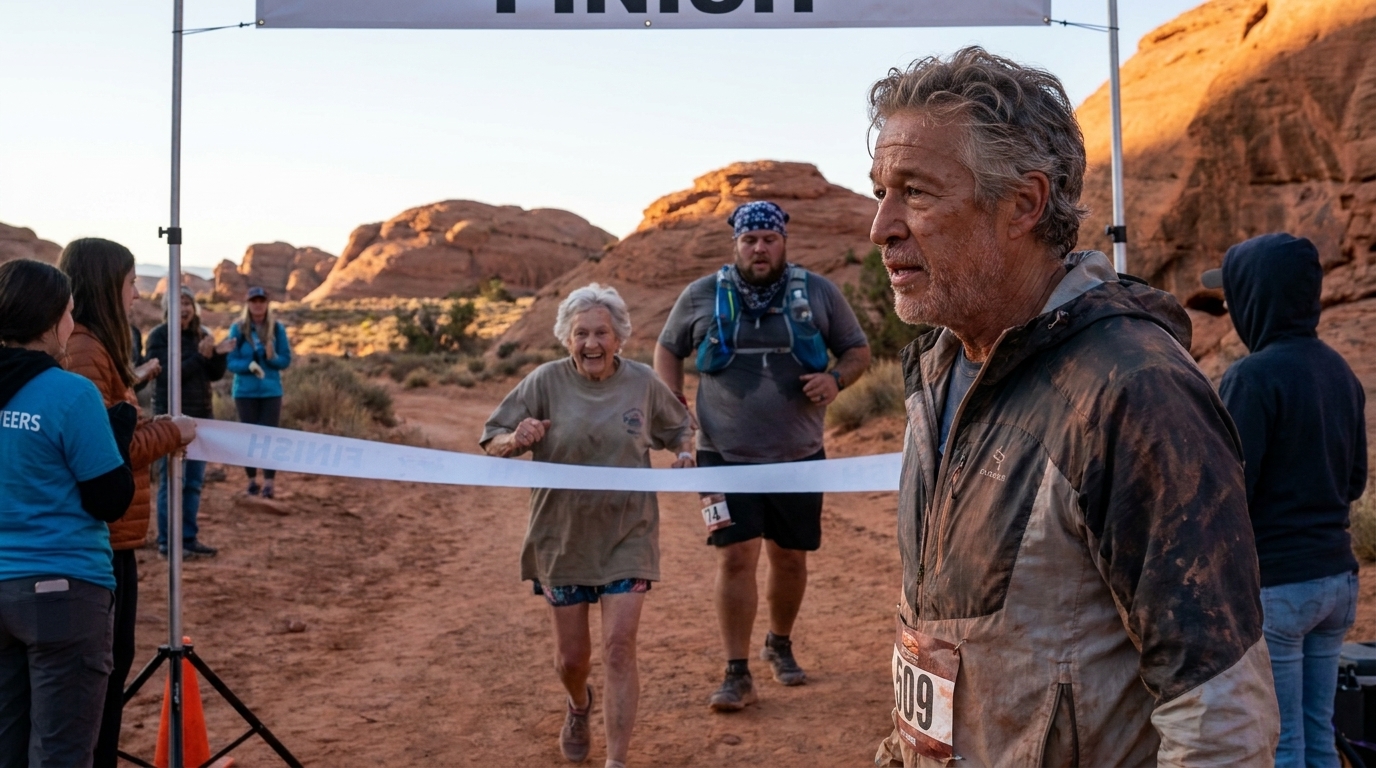
do this. And the very first person I saw
come across
finish line was a lady probably in her
early 60s, maybe a 100 pounds with the
biggest [ __ ] smile I had ever seen on
a human. And then the second person to
finish was a guy about the size of John.
He was six foot two, over 200 pounds. So
none, neither one of these individuals
looked like me and I saw it. So I went
up to the race director, you know,
hobbled up and I said, "Hey, I'm in for
next year." And so I had a year to train
and to and it was and and as a as a as
an adult, you know, at the time I was
56 57 56.
That whole year I knew I could do it,
but when I showed up for that race, I
was scared. I mean, like a a grown man.
I don't know anybody listening or you
guys, when's the last time as an adult
that you actually had fear, right? It it
really doesn't happen.
>> And you
without a
>> I'm sorry. Broke up. Go ahead, brother.
Sorry.
>> Yeah.
>> Go ahead, Jack.
>> I'm sorry about that connection, guys.
>> That's okay. Go ahead. You're finish. I
I I just knew there was Yeah. There was
no way to finish that race without a a a
sizable amount of discomfort. So, I I
just really leaned in to the to the to
the suffering of it. And and I was going
to ask Melissa to marry me. She No one
knew this but me. So, I carried that
[ __ ] ring for 240 miles. And whenever
I wanted to quit, which was many, many
times. I mean, when when when you run
these races, picture
>> it was 240. It was 240 miles.
>> 240 miles.
>> How long did that take you?
>> It It's a timed event. You have 114
hours to figure it out.
>> Yeah. So, I I made it I made it I made
it in 96 hours.
>> God damn it. I mean that's some
interesting strategy too. [ __ ]
>> that's
your face watching the math in your face
you're like 240 miles. Yeah that's a
timed event and you can see the math.
>> I'm sitting here thinking [ __ ]
how does somebody stay on his feet for
that long?
>> I know. So everybody you know the
questions are you know so do you sleep?
>> Yeah
>> and the answer is if you have to. So the
first day because you start in the if
anyone's been to Moab, you actually
start in downtown Moab and then you head
out towards the towards the desert,
right? That first day is 100% exposure
in the middle of [ __ ] nothing but
rocks desert rattlesnakes
just complete exposure
>> really to
>> Are you Are you on like a trail or a
road?
>> All trail. 100% trail.
>> Oh, [ __ ] So you're you're having you've
got these poles, you know, you're going
up down. Actually, the the vert the
vertical climb and Moab is 36,000
ft. So over over the period of that
race,
>> we we we ran to the top of Mount Everest
and down. That was the theation.
>> Jesus Murphy.
>> Yeah. Yeah.
>> So So you got you got poles like to keep
just to keep you up. So you could be
running or kind of speed walking.
>> Yeah. Well, yeah. It's it's for a old
guy like me, it's it's a mix of
>> running, walking, speed walking, and
then when you get tired, it's called a
trail nap. You literally, so picture
you're on this trail that is, you know,
it's big enough for you. So left and
right is, you know, nothingness. And
when you're tired, you just literally
face plan in the dirt for maybe 15
minutes. And that 15 minutes feels like
eight hours of rim sleep. That's how
exhausted you are. And so when you get
up, you literally have no concept of
time because you're delirious, right? I
mean, you're [ __ ] tired. Sleep
deprivation. And then you just get up
and you just keep going forward. I mean,
it is it is by far the most challenging
mental. People always say physical. The
physical, you know, the first thing to
go is you say, "Oh, I got a blister. You
know, my foot hurts." All that [ __ ]
happens, but it's the mental thing to
say, "Fuck it, man. I saw that lady and
that guy. I saw them finish." And that
literally was in the back of my mind.
I'm like, "What do they have that I
don't have?" And you know, that first
time it was just it was mental. And
that's all you you guys think about it.
And this is not just crazy Jack hyping
people up, but the [ __ ] that that goes
on here can either impact you in a
positive way totally or a negative way.
And it's up to you to decide how you
handle
>> Bro, you you just [ __ ] summed up
everyday life right there.
>> Yeah. Yeah. Yeah.
>> Yeah. Exactly.
>> But I mean, the only sound the only
thing that those two people had that you
didn't after talking to you, you got the
mental fortitude. They just had some
kidneys that decided to stay on track.
I I ran out of water that first one and
I and I ran eight miles with no water
and that was the thing that that got me.
for O's now.