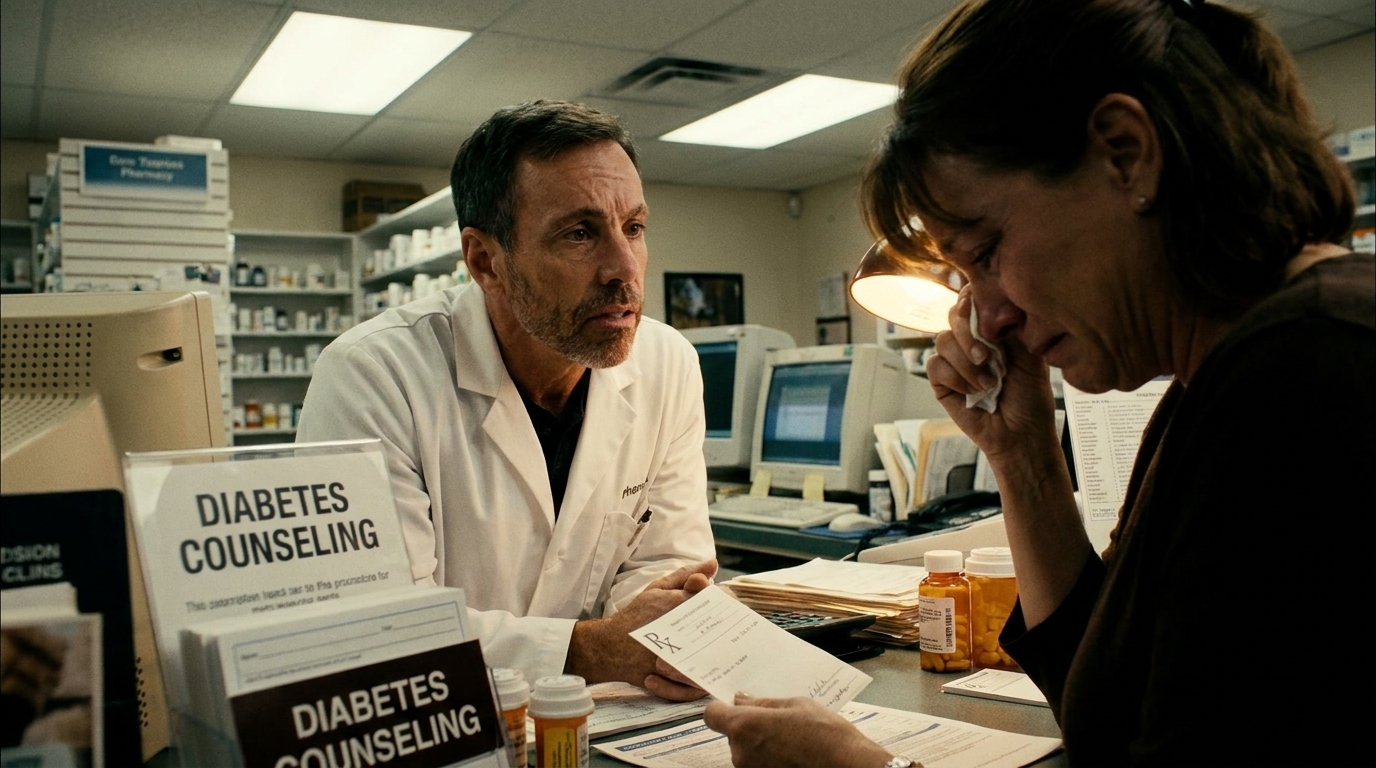
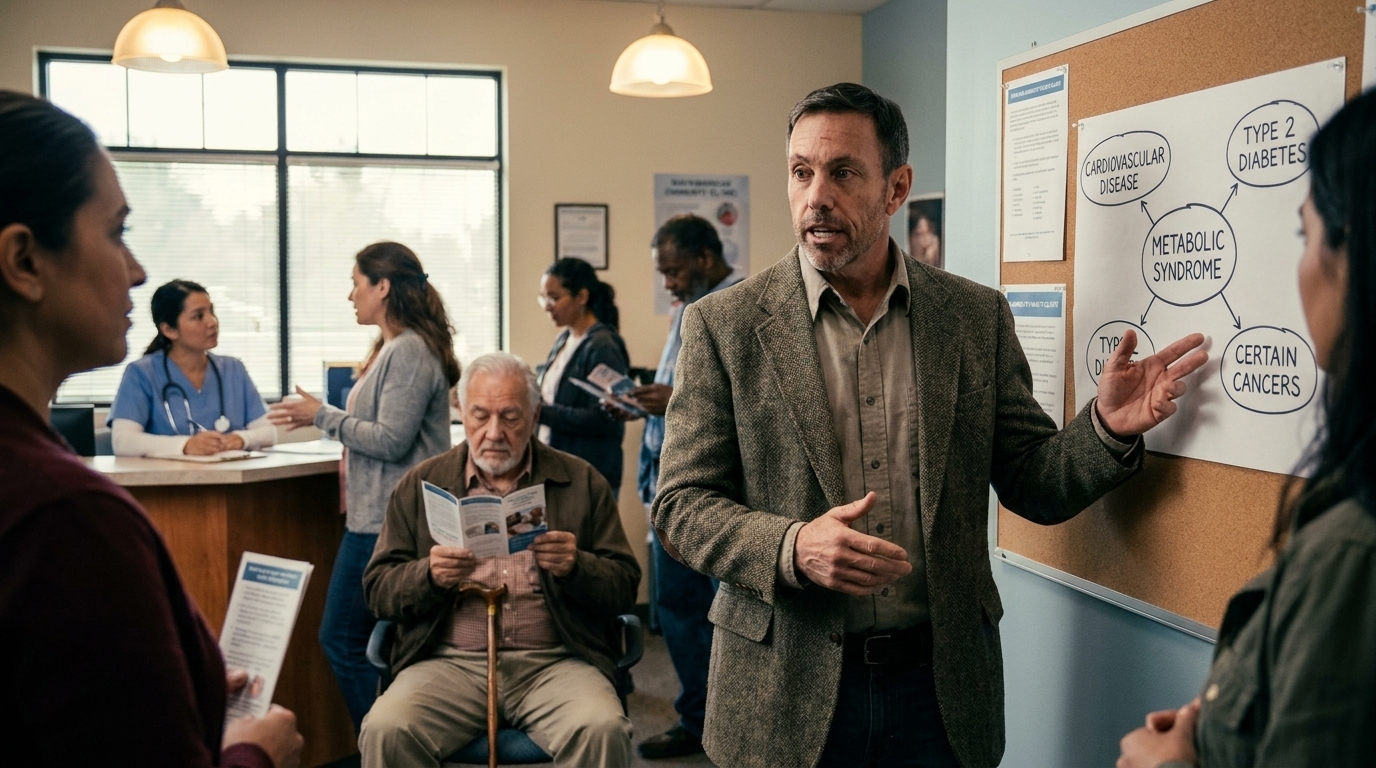
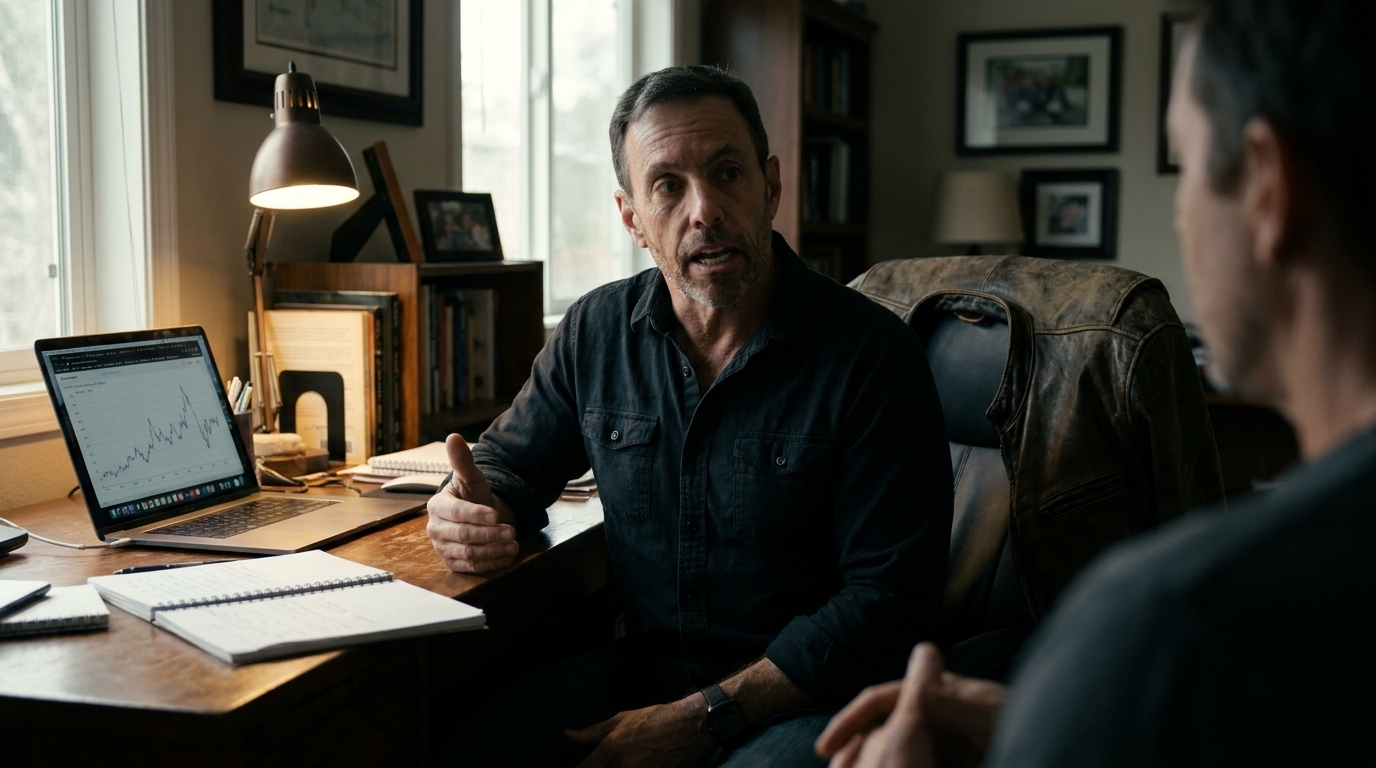
Kyle Rootsaert spent 25 years inside the machinery of American healthcare, and what he watched repeat itself, year after year, was this: a patient walks up to the pharmacy counter, receives a diagnosis, is handed a medication and a glucose monitor, and then asks a question that should be simple — what do I eat? What is a carbohydrate? What do I actually do? — and the pharmacist, trained in parenteral nutrition calculations and drug interaction tables, has no honest answer. Kyle had no honest answer. That realization, that 25 years of pharmaceutical education had not equipped him to tell a crying diabetic patient what to eat, became the breaking point that sent him rogue.
Read the full guest story
Kyle Rootsaert spent 25 years inside the machinery of American healthcare, and what he watched repeat itself, year after year, was this: a patient walks up to the pharmacy counter, receives a diagnosis, is handed a medication and a glucose monitor, and then asks a question that should be simple — what do I eat? What is a carbohydrate? What do I actually do? — and the pharmacist, trained in parenteral nutrition calculations and drug interaction tables, has no honest answer. Kyle had no honest answer. That realization, that 25 years of pharmaceutical education had not equipped him to tell a crying diabetic patient what to eat, became the breaking point that sent him rogue.
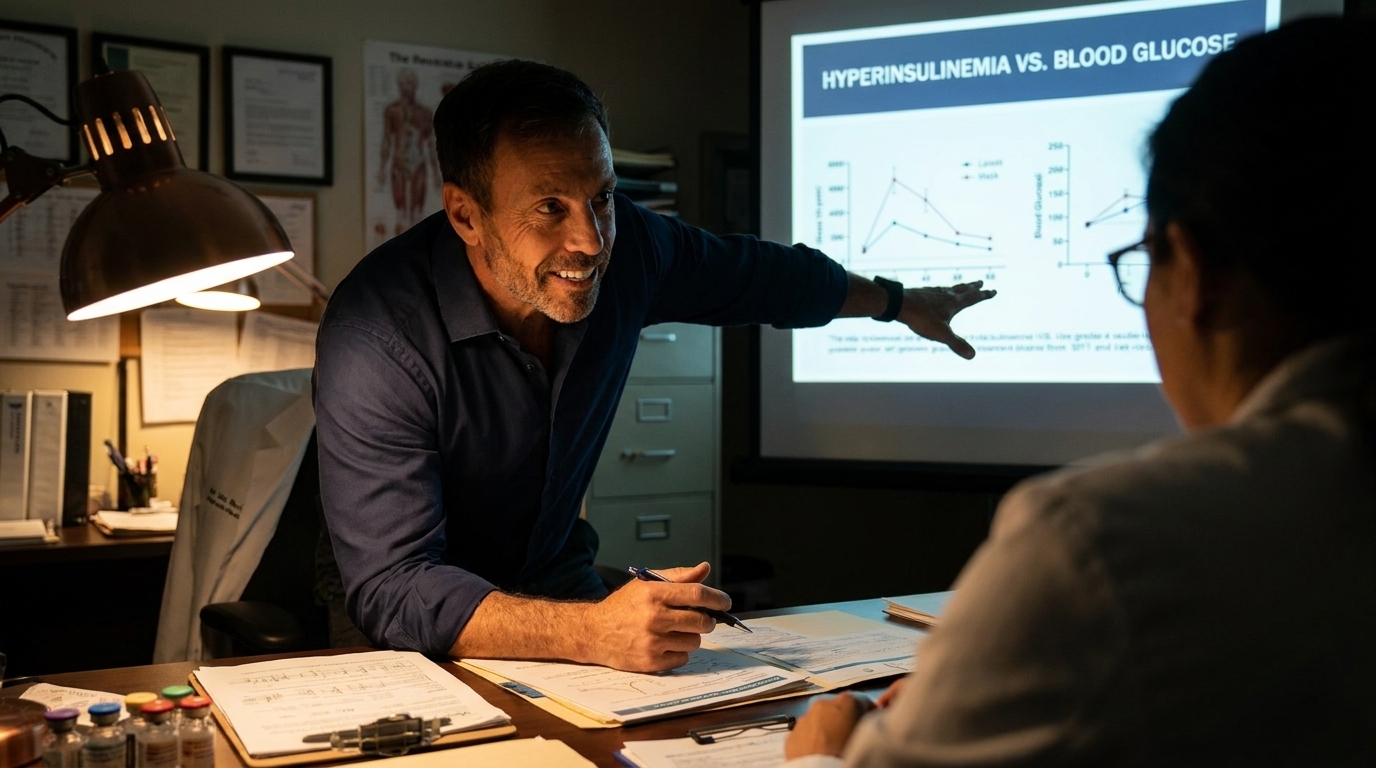
Kyle Rootsaert, PharmD, is a Board Certified Advanced Diabetes Manager (BC-ADM) who graduated from Xavier University of Louisiana in 1996, completed a pharmacy practice residency at UCSF in San Francisco, and spent years in community, clinic, and hospital pharmacy settings before landing as a Diabetes Clinic Educator and Inpatient Clinical Pharmacist at Dignity Health in San Andreas, California. He directed an accredited Diabetes Self-Management Training (DSMT) program, led weight loss and diabetes workshops, and watched the same population — people trying to do everything right — continue to get worse on a system built around managing disease rather than reversing it.
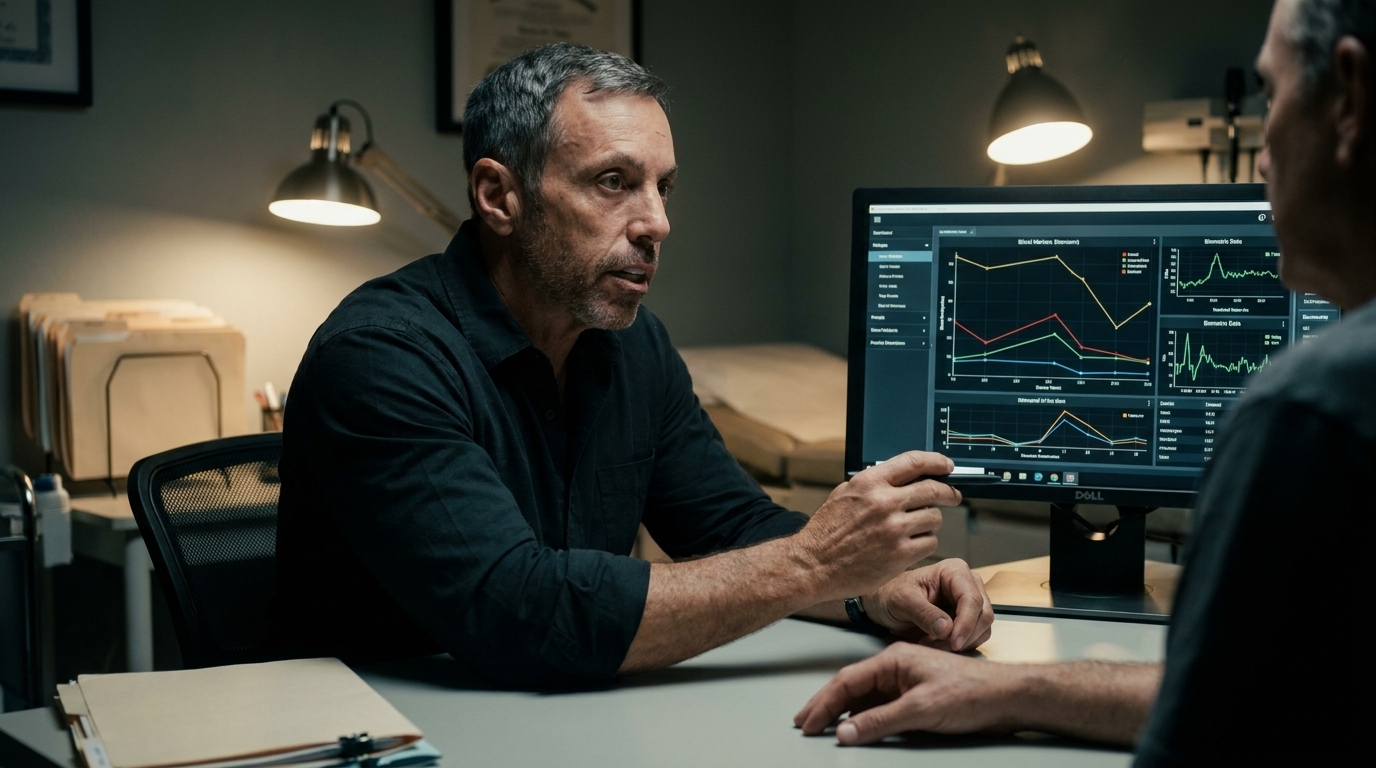
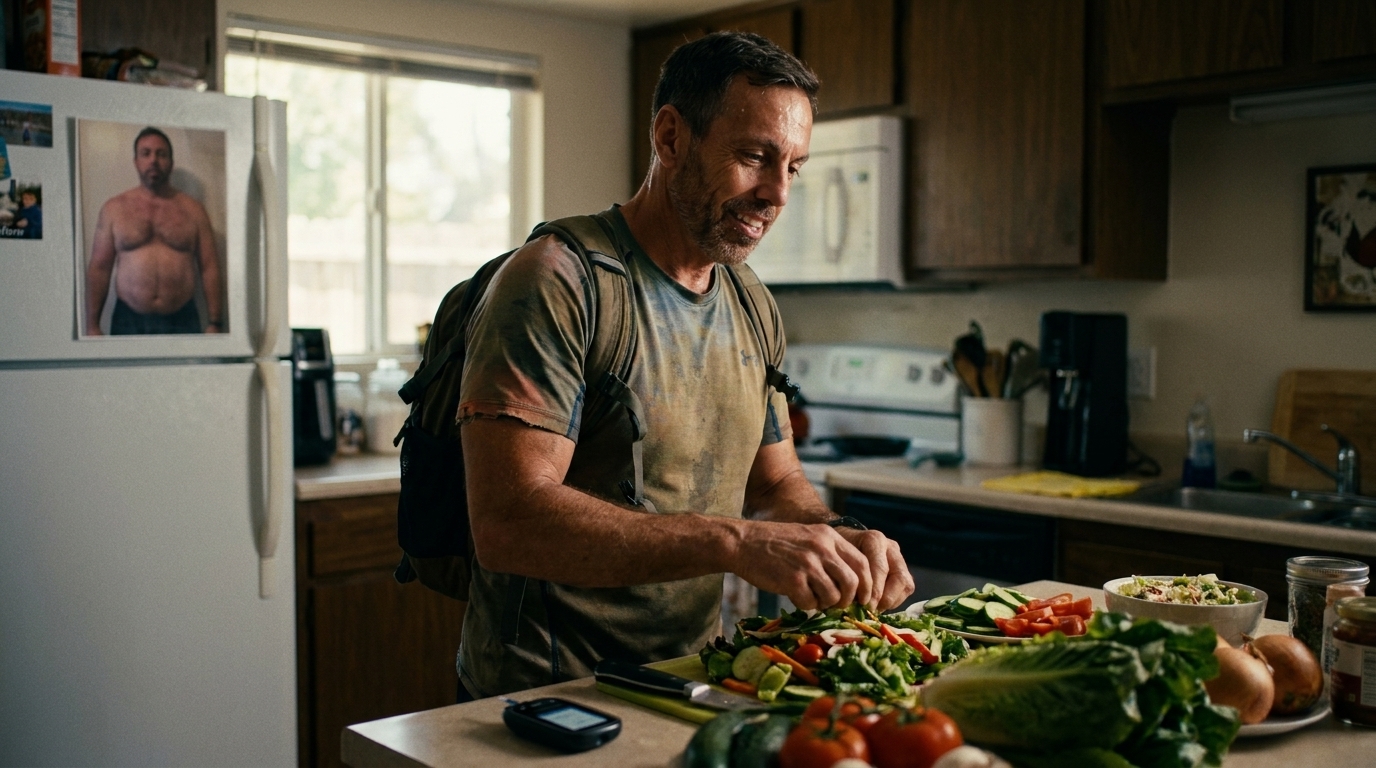
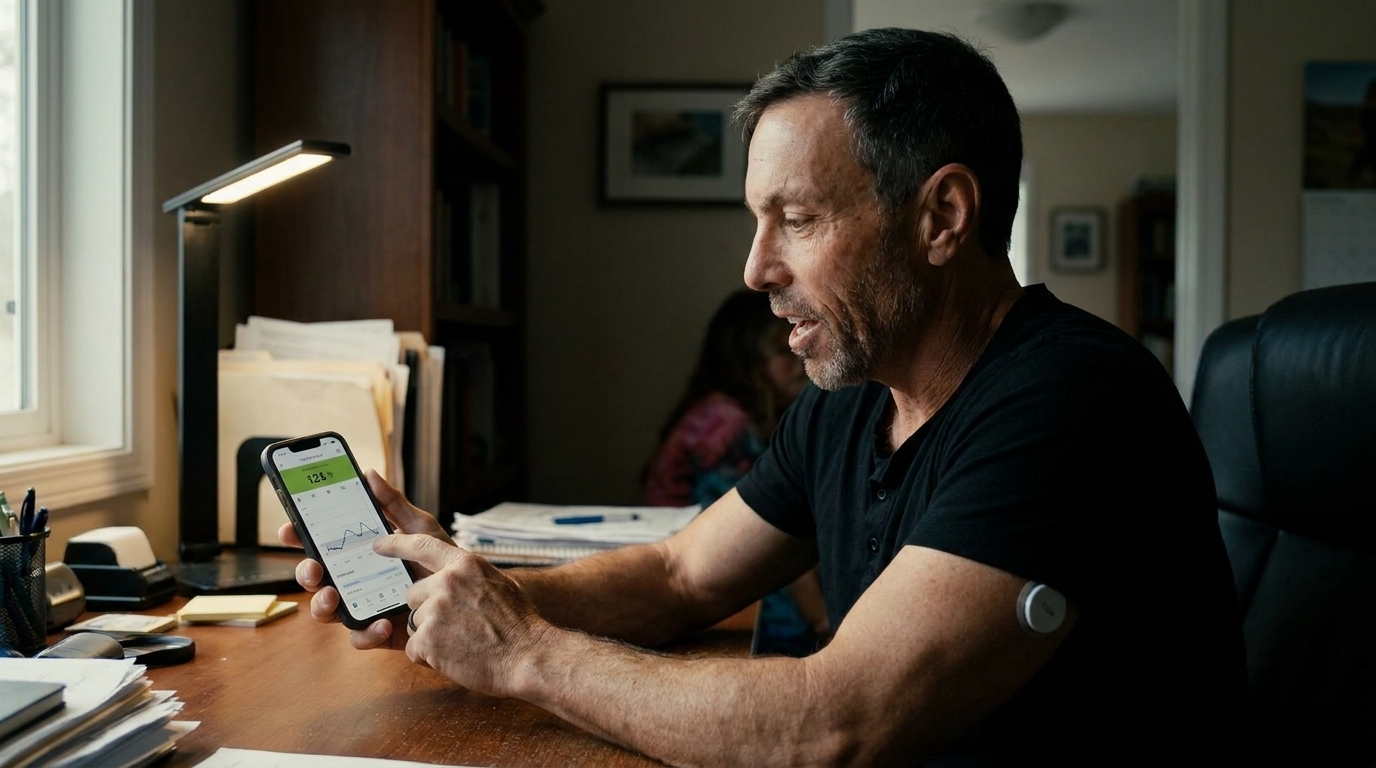
The personal turn came in 2013. Kyle was 50 pounds overweight and confronted by the gap between what he was prescribing and what was actually happening in his own body. He started walking the talk. He implemented low-carbohydrate dietary intervention on himself, began using wearable monitoring technology — continuous glucose monitors (CGMs), Oura Rings, and other biosensors — to see cause and effect in real time, and over time lost those 50 pounds, came off medications entirely, and rebuilt his health from the inside out. He now races paddleboards on the California coast.
What emerged from that personal transformation was the Unscripted Pharmacist — his platform, remote coaching practice, and podcast dedicated to the approach he wished existed when he was handing people metformin and a glucometer with no real guidance. The philosophy is deliberate: stop guessing, measure what matters, and make decisions based on your specific body's actual responses to food, sleep, stress, and movement. His clients are predominantly adults with type 2 diabetes, insulin resistance, and metabolic syndrome — a population he argues is 90-95% of diabetics, most of whom developed their condition through dietary patterns shaped by food industry-influenced guidelines rather than genuine nutritional science.
Kyle is also a Medical Advisor for Rasimo Systems, a health technology company, and continues to develop his framework for what he calls value-based medicine: a system that rewards disease reversal rather than prescription dependency. He appeared on the Center Stage segment of Mornings in the Lab to make his core argument — that most people are failing at health not because they don't care, but because nobody has shown them what is actually happening inside their own bodies.