← All guests

Center Stage / the conversation

Sam Mitchell

Executive Director & Founder, Autism Rocks and Rolls Corporation

Watch full interview on YouTube ↗

Their story

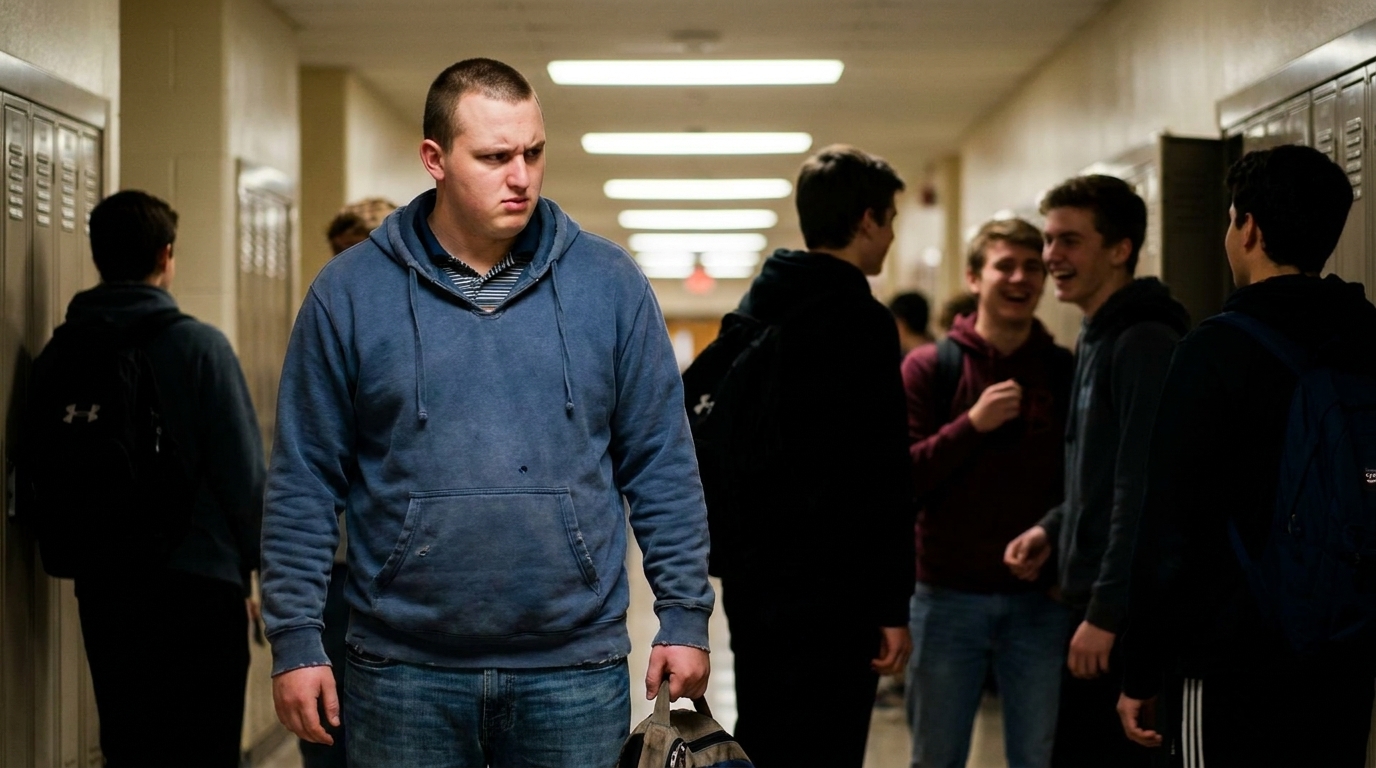
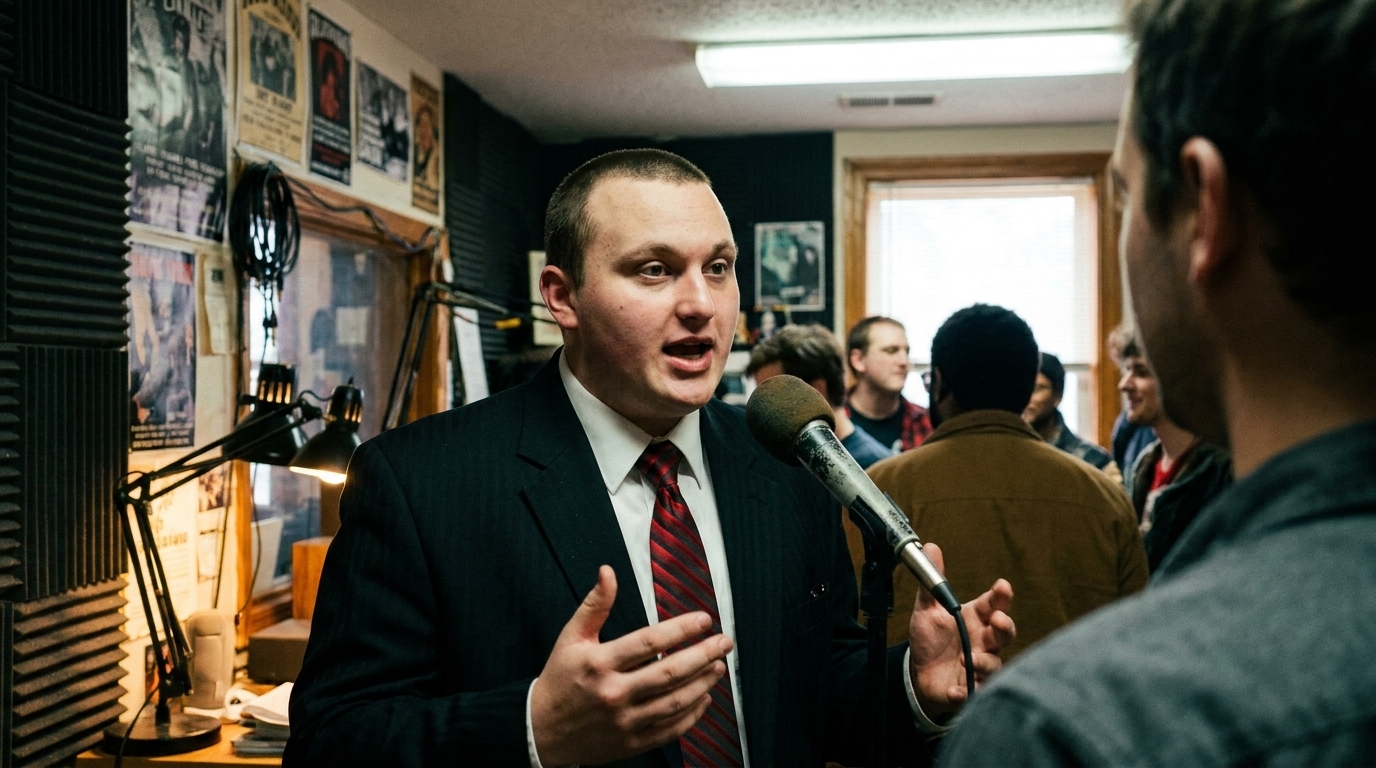
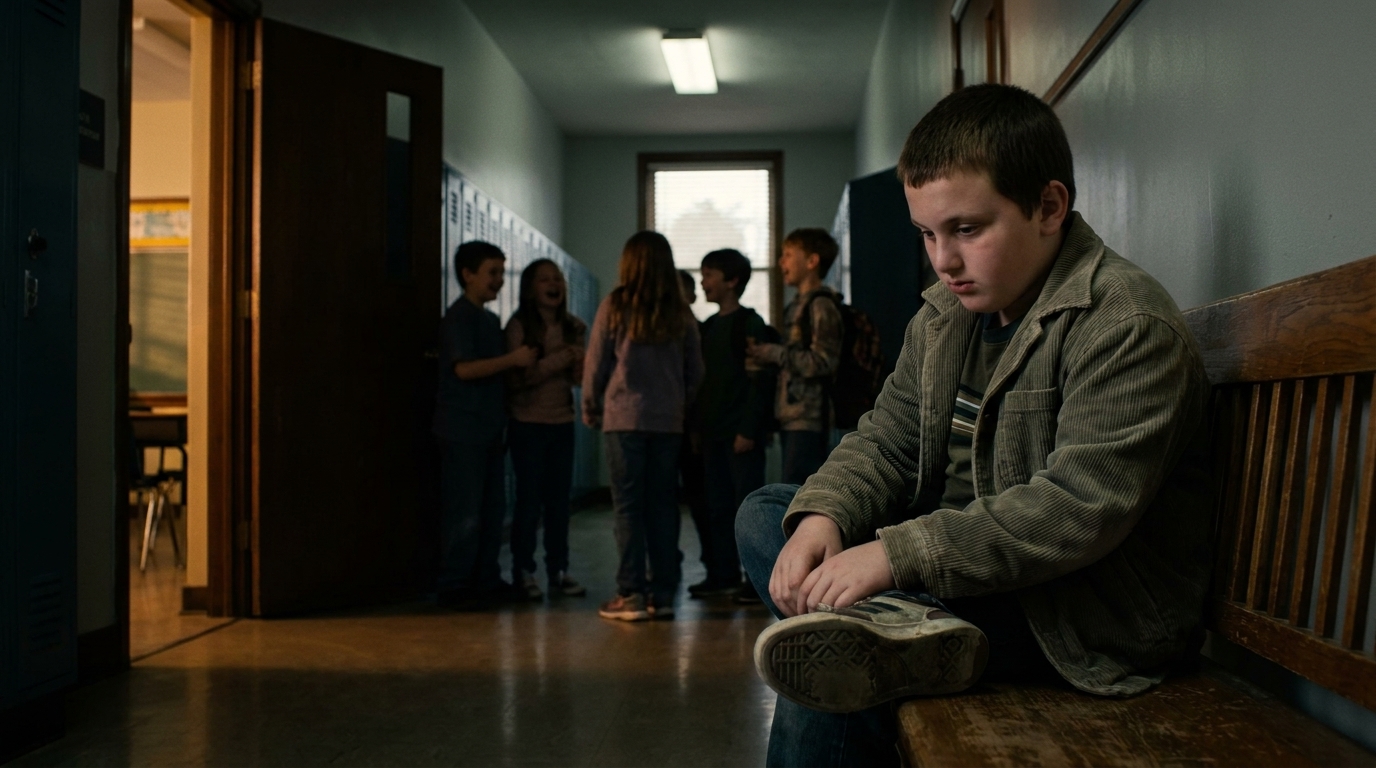
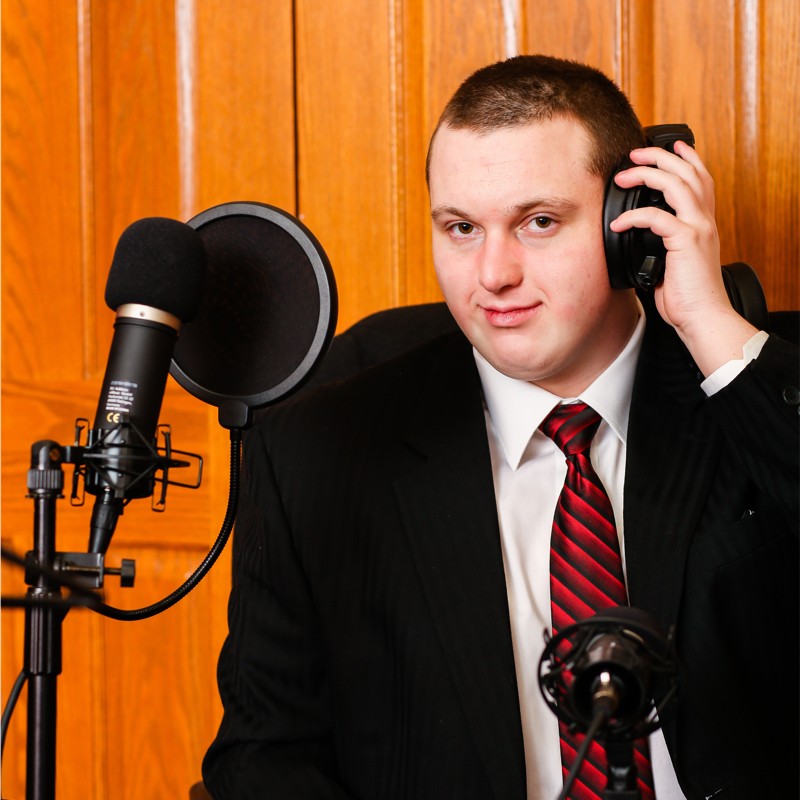
Sam Mitchell was diagnosed with autism at age four. He grew up in Owensburg, Indiana — a small community in southwest Indiana — in a family that quickly learned there was no roadmap and started building one themselves. His mother Gina, a teacher at Eastern Greene Middle School, had worked with autistic students before, but nothing quite prepares a parent for what it means to raise a child who will be told, over and over, in ways large and small, that he doesn't fit. Sam got called names in the hallways. He watched other kids form friendships he couldn't access. From kindergarten through seventh grade, by his own account, he could not fit in. He felt excluded. Majorly. There were times, he has said publicly, when he felt like if he had a funeral, probably no one would be there but his family.

Read the full guest story

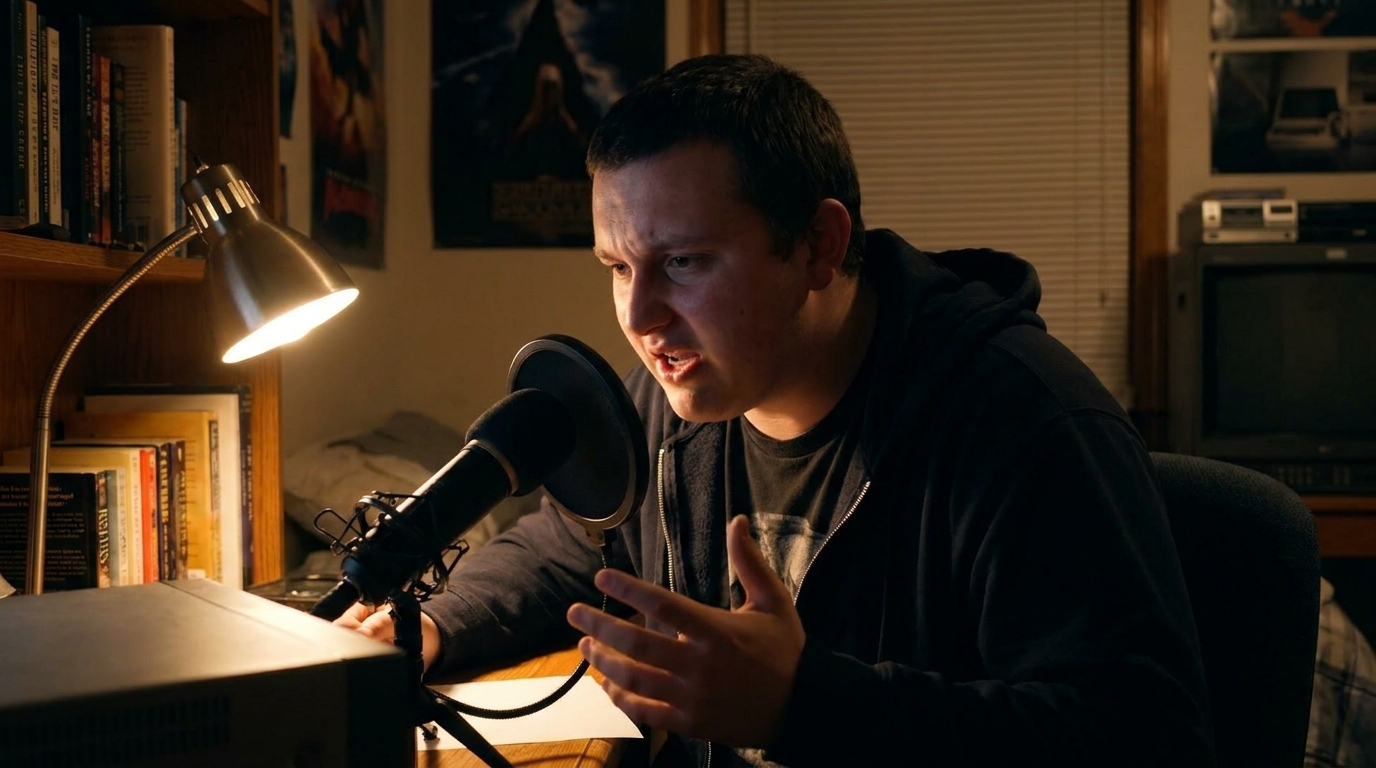
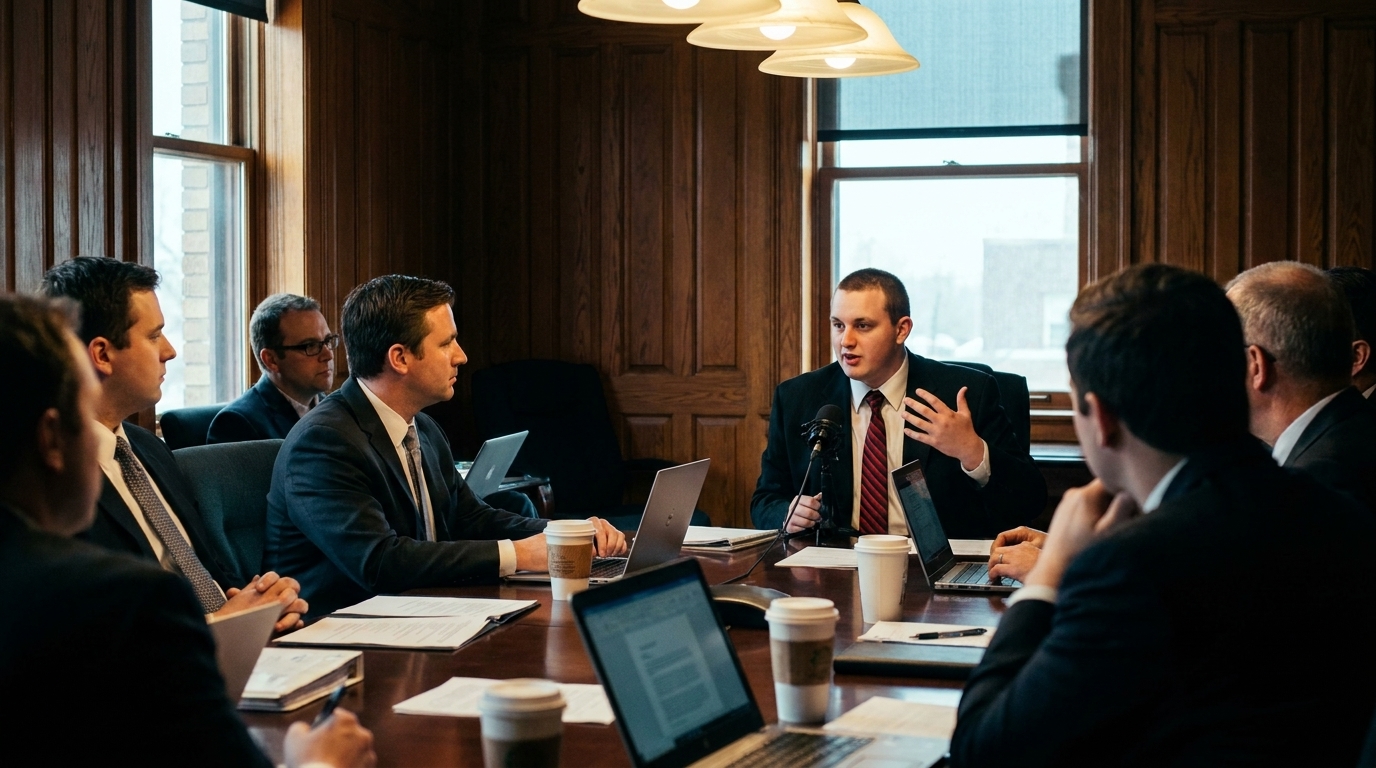
Sam Mitchell was diagnosed with autism at age four. He grew up in Owensburg, Indiana — a small community in southwest Indiana — in a family that quickly learned there was no roadmap and started building one themselves. His mother Gina, a teacher at Eastern Greene Middle School, had worked with autistic students before, but nothing quite prepares a parent for what it means to raise a child who will be told, over and over, in ways large and small, that he doesn't fit. Sam got called names in the hallways. He watched other kids form friendships he couldn't access. From kindergarten through seventh grade, by his own account, he could not fit in. He felt excluded. Majorly. There were times, he has said publicly, when he felt like if he had a funeral, probably no one would be there but his family. At 16, Sam joined his high school's media club at Eastern Greene High School. He loved it immediately and came home and told his parents he was going to start a podcast. His parents didn't know what a podcast was. They got him a microphone and a soundboard for his 16th birthday, equipment he still uses to record today. On October 27, 2019, he published his first episode — a 37-minute recording called "101: Sam's Stories" — and Autism Rocks and Rolls was born. What started as a hobby became, within a few years, one of the most important autism advocacy platforms built by a person on the spectrum. The podcast has now produced over 239 episodes and accumulated more than 23,800 downloads on Podbean alone, with additional reach across Spotify and Apple Podcasts. It has placed in the top 10 of the People's Choice Podcast Awards, reached the top 200 podcasts in all of Canada, and finished second in the state of Indiana for the JAG Entrepreneurship project. The nonprofit pays Sam $1,000 monthly to produce new episodes on a 16-day release cycle. The guests Sam has landed speak to the seriousness with which the autism community has embraced him. He has interviewed Temple Grandin — the world's most famous autism advocate and animal science professor at Colorado State University — Armani Williams, the first openly autistic NASCAR driver, WWE Hall of Famer Mick Foley, Sara Tomko (Sneaky Pete, Resident Alien), American Idol rock star James Durbin, and dozens of advocates, researchers, and people on the spectrum. His guiding question to many guests: "How do you think a brain with autism operates?" — and then he listens. In 2020, the podcast incorporated as a federal 501(c)(3) nonprofit — Autism Rocks and Rolls Corporation — with a board of nine, including neurologically diverse members. The nonprofit's mission is precise: destigmatize autism, change the language around it, train first responders and human resources professionals in how to interact with people on the spectrum, and insist on the simple truth that autistic people are not broken and do not need to be fixed. The organization has trained police departments, fire departments, emergency workers, and dispatchers. Sam and his mother Gina speak at conferences nationally and internationally — he has traveled to Canada, Washington D.C., Florida, Wisconsin, and Indiana for speaking engagements. Sam has also delivered a published TEDx talk, originally titled "Understanding Autism: Controlling Chaos with Structure," in which he argues that structure is not a limitation for autistic people but a tool — and that the chaos that seems external is frequently the most navigable part. He graduated from Vincennes University with an associate's degree in broadcasting, continuing to produce the podcast as a full-time student. He now works part-time as a board operator for IU men's and women's basketball in Bloomington. His central argument — the one he brings to every stage and every conversation — is that autism is brain wiring, not disability. That the behaviors society interprets as deficits are often communication, and that communication can turn into success if anyone is willing to look past the 'can't' and focus on the 'can.' He points to Armani Williams, who told him on the podcast: "When I get into the car, I am hyperfocused." That snap into hyperfocus, a trait society often pathologizes, is exactly what makes Williams a competitive driver. It's not a disability. It's a different way of operating. Sam Mitchell is 23 years old. He follows the beat of his own drum. He loves WWE. He loves rock and roll — AC/DC, Mötley Crüe, Nickelback. His favorite song is Hinder's cover of Steppenwolf's "Born to Be Wild," because it's about living free and not caring what others think. He knows who he is. He is one friendly human being. He is one that fights for his rights. He is, as he said in his own podcast years ago: Sam Mitchell. And they are listening now.

In their own words

Why autism advocacy matters — the basic injustice

I think it's a population that in my view gets ridiculed for the most ridiculous reasons alive.

Sam's direct framing of why he built Autism Rocks and Rolls — not from a place of victimhood but from a place of sharp frustration at an injustice that is both obvious and preventable. The precision of 'most ridiculous reasons alive' captures how arbitrary the exclusion feels from inside the experience.

Finding a voice through podcasting

I finally had a voice is one way I feel I can mention that for sure.

Sam describing what podcasting gave him — not just a platform but the experience of being heard that had been largely absent from his school years. This is the origin point of everything he has built: finding, at 16, that he had something to say and a way to say it.

Identity, self-possession, and refusing to conform

I'm not that type of person. I like to pretty much follow the beat of my own drum and take my own life and do what I like.

Sam declaring his identity clearly and without apology — not as a rejection of connection but as a statement of self-possession. This is the operating principle behind everything he has built: he refused to perform neurotypicality to be accepted, and chose instead to be himself loudly.

Hyperfocus as competitive advantage, not deficit

When I get into the car, I am hyperfocused. That is not a disability.

Sam relaying what Armani Williams told him on the podcast — the first openly autistic NASCAR driver naming hyperfocus not as a problem to manage but as a competitive advantage. Sam uses this as a signature example of his central argument: behaviors that look like deficits from the outside are often strengths from the inside.

The mission: not broken, not needing to be fixed

People with autism are not broken. They don't need to be fixed. And there's no such thing as normal anyway.

The mission statement Sam carries into every room — three sentences that contain the entire philosophy of Autism Rocks and Rolls Corporation. Not accommodation, not sympathy, not remediation. Recognition, respect, and the honest observation that 'normal' has never actually existed.

The workforce case for neurodiversity

They're such out-of-the-box thinkers. They could come in and say, have you thought about doing this? And nobody in the room has thought about doing that. It's a huge population that often we don't tap into.

Sam making the business case for neurodiversity — not charity but competitive advantage. Organizations that fail to include autistic people in their workforce are leaving unconventional thinking on the table, and he names this directly.

The reality of being excluded as an autistic child

From K through seventh grade, I could not fit in. People thought I was socially awkward. They didn't know how to take me well. I felt excluded. Majorly.

Sam naming his own experience honestly — not as trauma-framing but as factual reporting of what exclusion felt like from inside it. The specificity of 'K through seventh grade' grounds this in a real timeline, and the word 'majorly' carries all the weight of a kid who felt it acutely.

Autism behaviors as communication, not dysfunction

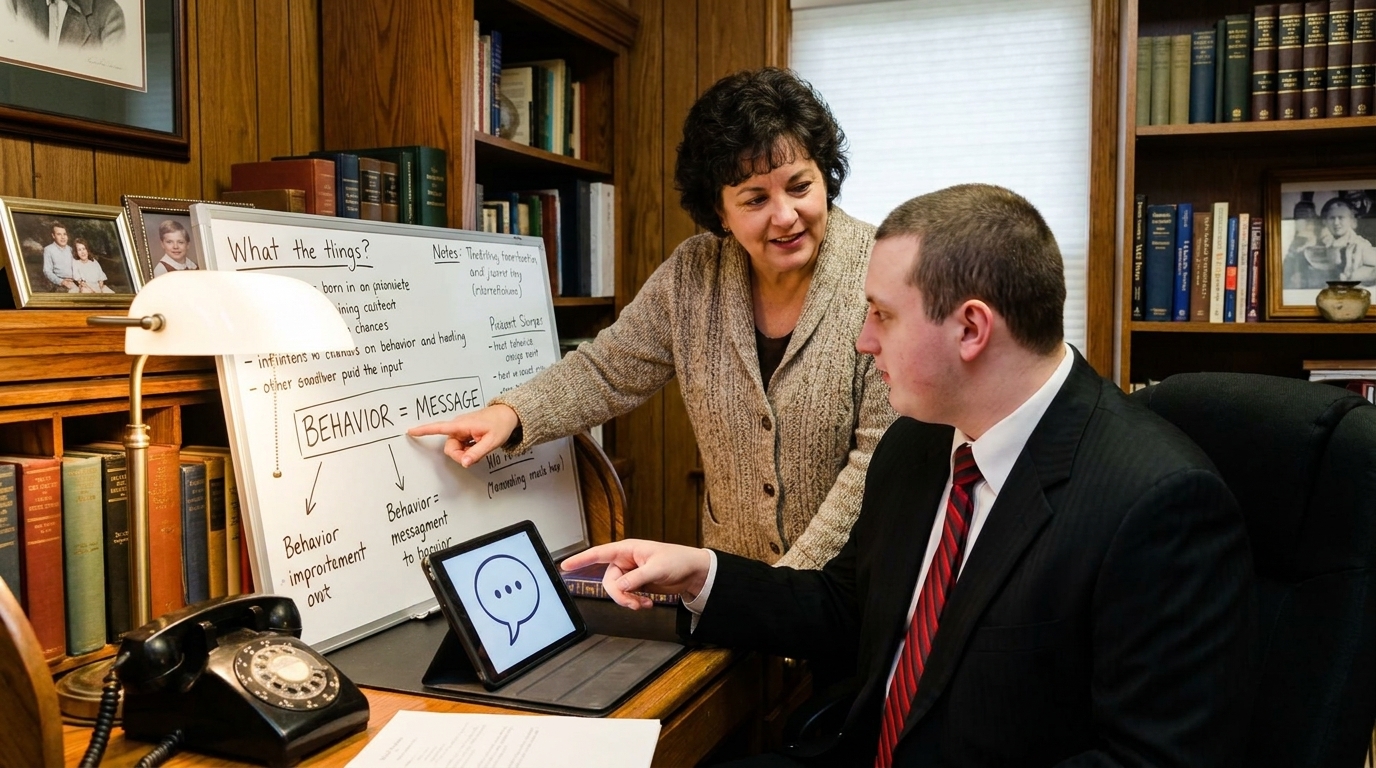
Let's figure out how those behaviors are communication. And then that communication can turn into success if we allow it to, if we look past the 'can't' and focus on the 'can'.

Sam and his mother Gina articulating the translation layer that most systems miss — that autistic behaviors are not noise to suppress but information to interpret. The shift from 'can't' to 'can' is not just positive thinking; it is a fundamentally different epistemology of disability.

Appearances & videos

Original interview details

He Was Told He's Broken. At 22, He Proved Everyone Wrong

Episode #CS-029

Center Stage

  • Mornings in the Lab · Center StageFebruary 23, 2026Watch →

From the interview

People with autism are not broken. They don't need to be fixed. And there's no such thing as normal anyway.
I finally had a voice is one way I feel I can mention that for sure.
I'm not that type of person. I like to pretty much follow the beat of my own drum.

Questions & answers

Who is Sam Mitchell and what is Autism Rocks and Rolls?

Sam Mitchell is a 23-year-old autistic podcaster, motivational speaker, nonprofit executive director, and TEDx speaker from Owensburg, Indiana. He was diagnosed with autism at age four and began the Autism Rocks and Rolls podcast at age 16 after joining his high school media club. The podcast has grown into a federal 501(c)(3) nonprofit — Autism Rocks and Rolls Corporation — with a board of nine and a mission to destigmatize autism, change the language around it, and demonstrate that autistic people are not broken and do not need to be fixed. The podcast has produced over 239 episodes, reached the top 10 of the People's Choice Podcast Awards, and accumulated over 23,800 downloads on Podbean with distribution on Spotify and Apple Podcasts.

What is Sam Mitchell's TEDx talk about?

Sam Mitchell's TEDx talk, 'Understanding Autism: Controlling Chaos with Structure,' argues that structure is the key tool for people on the autism spectrum to navigate a world that was not designed for them. Sam draws on his own lived experience of autism to demonstrate that the chaos typically associated with autism is frequently external, and that imposing clear structure on daily life gives autistic people the foundation they need to perform, create, and succeed. The talk has been published and is available on YouTube. He also delivered a subsequent talk titled 'Souled Structure' at the same TEDx program.

What notable guests has Sam Mitchell interviewed on Autism Rocks and Rolls?

Sam Mitchell has interviewed an impressive range of guests through Autism Rocks and Rolls, including Temple Grandin (the world's most prominent autism advocate and Colorado State University professor of animal science), WWE Hall of Famer Mick Foley, Armani Williams (the first openly autistic NASCAR driver), American Idol rock star James Durbin (who has autism and Tourette's), and actress Sara Tomko (known for Sneaky Pete and Resident Alien). He has also featured autism advocates, researchers, behavior analysts, and everyday people on the spectrum. He asks each guest a version of the same core question: 'How do you think a brain with autism operates?' and then listens.

How does Autism Rocks and Rolls Corporation serve the autism community beyond the podcast?

Autism Rocks and Rolls Corporation operates as a federal 501(c)(3) nonprofit with a board of nine, including neurologically diverse members. Beyond the podcast, the organization provides first-responder training — teaching police departments, fire departments, emergency workers, and dispatchers how to interact with autistic individuals. The nonprofit also funds Sam's speaking engagements, including national and international conferences (Canada, Washington D.C., Florida, Wisconsin, and multiple Indiana venues). Sam and his mother Gina Mitchell serve as speakers and trainers. The organization hosts an annual gala and plans to expand into training for human resources professionals.

What is Sam Mitchell's philosophy on autism and disability?

Sam Mitchell's philosophy is built on three premises: autistic people are not broken, they do not need to be fixed, and there is no such thing as 'normal' anyway. He argues that autism is brain wiring — a different way of processing the world, not a malfunction of it — and that behaviors society reads as deficits are often forms of communication or even competitive advantages. He cites hyperfocus as a prime example: a trait that can make autistic people appear rigid or obsessive actually functions as a high-performance tool in the right environment, as demonstrated by autistic NASCAR driver Armani Williams. Sam's core goal is to shift the conversation from deficit to difference, and from accommodation to inclusion.

Where is Sam Mitchell from and what is his educational background?

Sam Mitchell grew up in Owensburg, Indiana, a small community in southwest Indiana in Greene County, and attended Eastern Greene High School. He launched the Autism Rocks and Rolls podcast at 16 after joining his school's media club, and continued producing it through high school and college. He graduated from Vincennes University with an associate's degree in broadcasting. He currently works part-time as a board operator for IU men's and women's basketball in Bloomington, Indiana, and continues to produce the podcast on a 16-day release cycle, paid $1,000 per month by the nonprofit he founded.

The full conversation

Read the transcript

If you feel this world wasn't built for you and you're not always sure how to navigate it, you're going to love today's guest. We have a young man who's turned what society calls a limitation into a launching pad for impact. Diagnosed with autism at age four, Sam Mitchell didn't let anyone tell him what he couldn't do. At 16, he joined his high school media club, fell in love with podcasting, and started Autism Rocks and Rolls. Through his show, Sam has landed interviews with absolute legends. But it doesn't end there. Sam is also the executive director and founder of Autism Rocks and Rolls Corporation, a nonprofit that's changing the conversation around autism. He's also delivered a published TED X talk called Understanding Autism: Controlling Chaos with Structure. Sam isn't interested in sympathy. He's demanding respect. And his mission is simple but powerful. Show the world that people with autism are not broken. They don't need to be fixed. And there's no such thing as normal anyway. Sam is proof that society has autism all wrong. And he's on a mission to help people see and accept it. Nation, get ready for real talk, inspiration, and a perspective that'll make you rethink everything. Sam, welcome to Mornings in the Lab.

Open transcript page →
Guest gallery
authority_portrait
authority_portrait
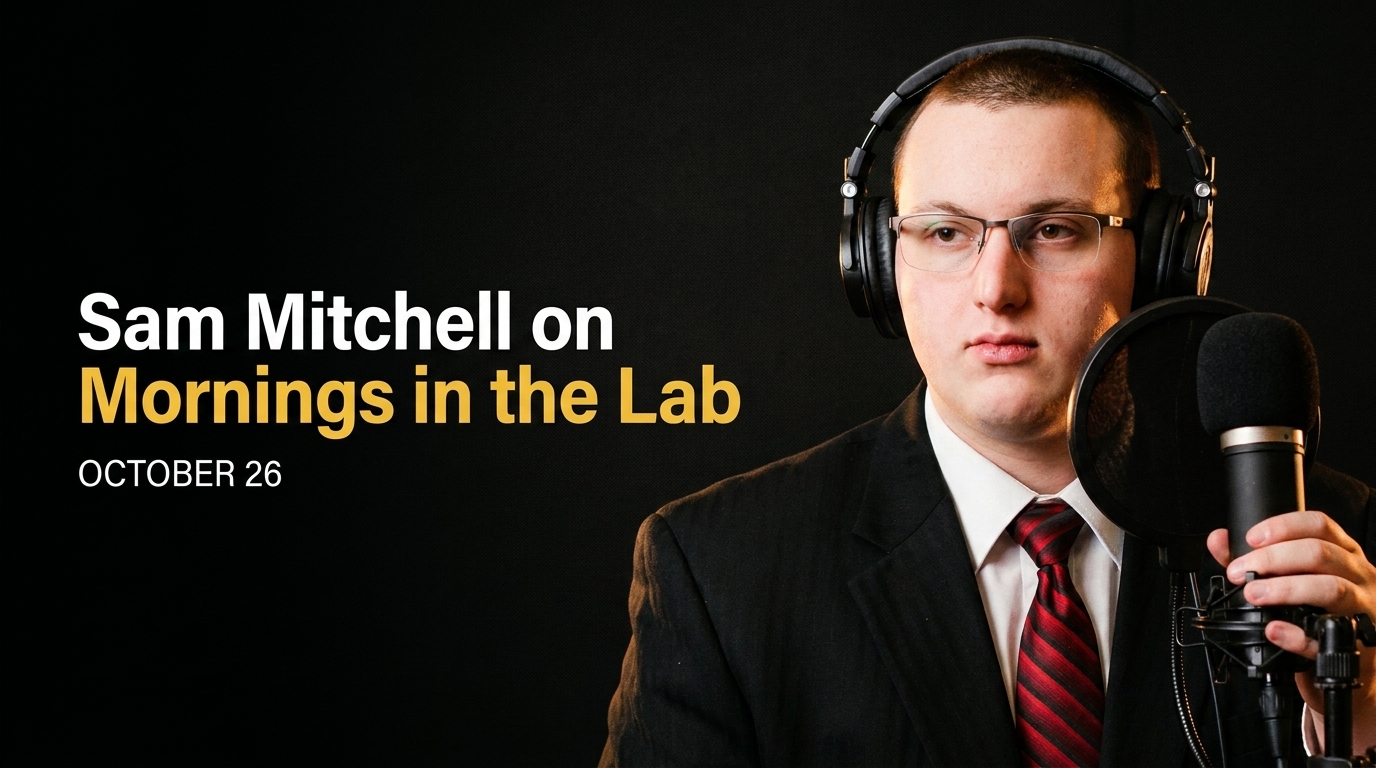
Pre-show shareable graphic generated by the Authority Page Builder.
Announcement card · Pre-show shareable graphic generated by the Authority Page Builder.
Why autism advocacy matters — the basic injustice
Finding a voice through podcasting
Identity, self-possession, and refusing to conform
Hyperfocus as competitive advantage, not deficit
The mission: not broken, not needing to be fixed
The workforce case for neurodiversity
The reality of being excluded as an autistic child
Autism behaviors as communication, not dysfunction
Conversation topics

Introduction — the world wasn't built for you, and he built his own · ~2 minutes · The hosts introduce Sam around the central premise: a kid society told was limited who turned the limitation into a launch pad. Diagnosed at four. Podcasting at 16. TEDx by 19. Nonprofit by 20. · Growing up autistic — exclusion, bullying, and the long stretch before podcasting · ~4 minutes · Sam describes what school was like from kindergarten through seventh grade — the exclusion, the inability to fit in, the sense that nobody knew how to take him. His mother Gina's perspective on watching a child feel invisible in a crowd. · Joining the media club at 16 — finding a voice · ~4 minutes · Sam walks through the origin of the podcast: media club, the decision to start his own show, his parents not knowing what a podcast was, the microphone and soundboard birthday gift, and the first episode on October 27, 2019. · Autism Rocks and Rolls — how the podcast became a movement · ~4 minutes · Sam describes the growth from hobby to platform — the downloads, the awards, the guests (Temple Grandin, Mick Foley, Armani Williams), and the moment the podcast became a federal nonprofit with a board of nine. · The mission: not broken, not needing to be fixed · ~3 minutes · Sam articulates his core philosophy — that autism is brain wiring, that autistic behaviors are communication rather than dysfunction, and that the shift from 'can't' to 'can' is the lens through which everything changes. · Hyperfocus and the competitive advantage argument · ~3 minutes · Sam makes the business and performance case for neurodiversity using Armani Williams's hyperfocus as his centerpiece example. Autistic traits are not deficits to manage — in the right context, they are competitive advantages nobody else has. · First-responder and HR training — where the nonprofit goes operational · ~3 minutes · Sam and Gina describe the training program — police, fire, emergency workers, dispatchers — and what they have seen change when first responders understand how autism presents in a crisis. · The TEDx talk and speaking nationally · ~3 minutes · Sam discusses his TEDx talk on chaos and structure, the speaking engagements that have taken him across North America, and what he tries to leave people with when he is on a stage. · What Sam is building next and his identity · ~3 minutes · Sam closes with where he is headed — more episodes, continued speaking, the children's book in progress with his mother — and with a statement of self that is completely settled: he follows the beat of his own drum, and that is not going to change.