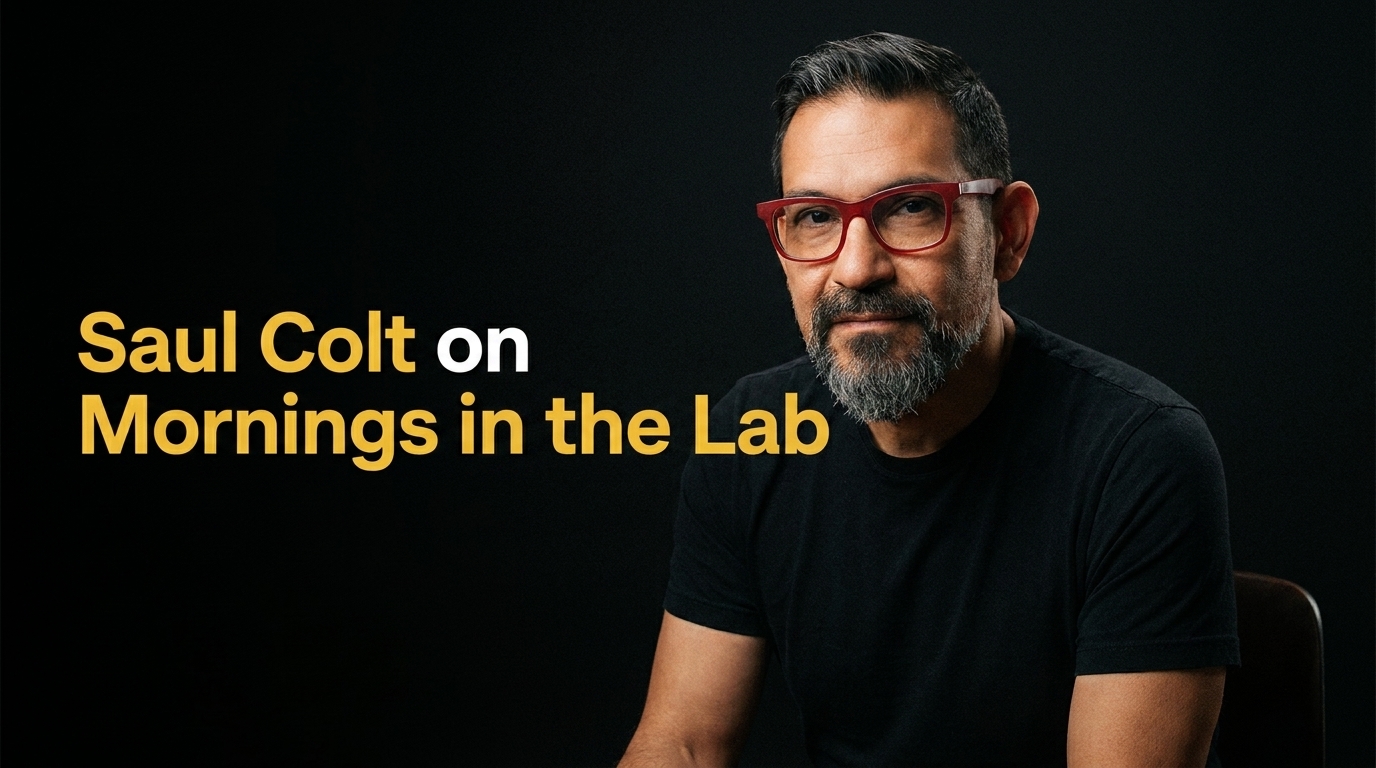
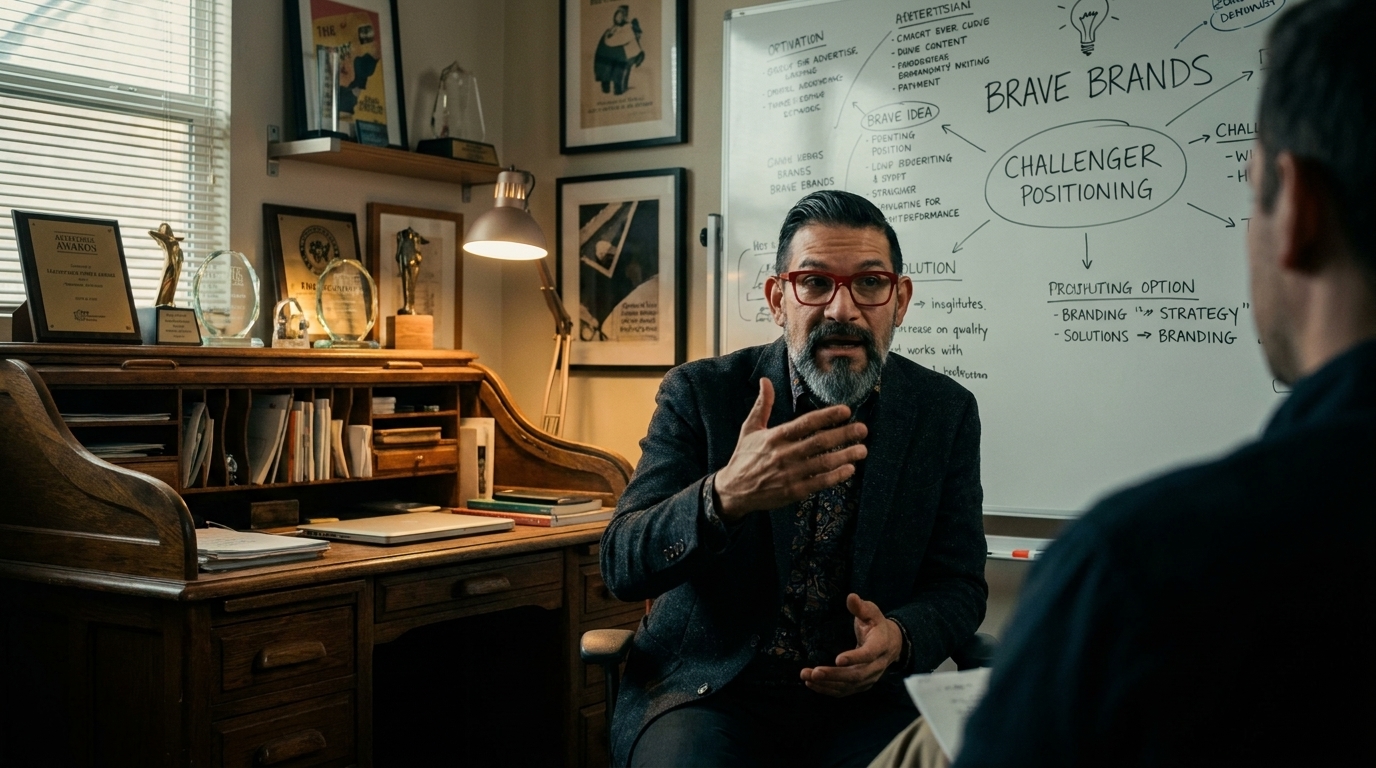
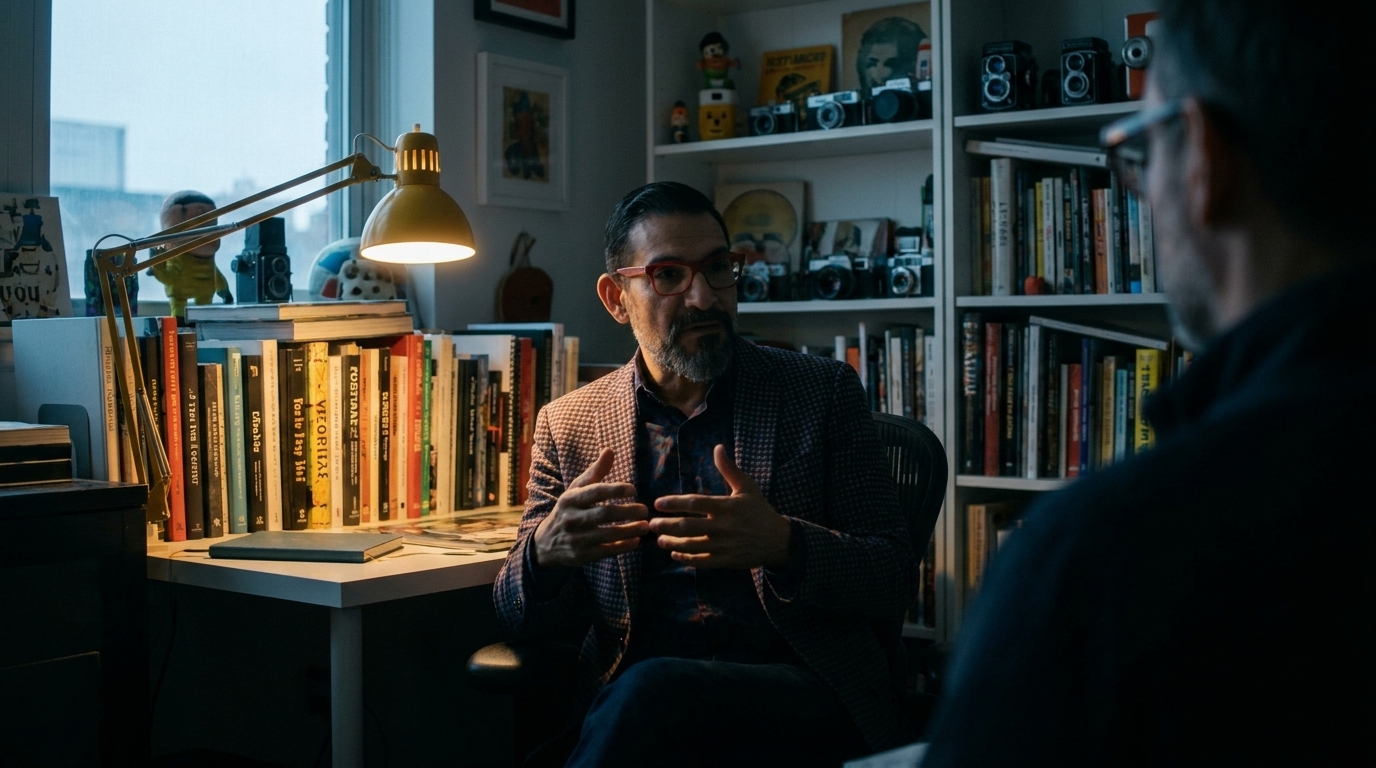
Saul Colt is one of the most genuinely interesting figures in North American marketing, and the fact that he would say that about himself — loudly, without apology — is precisely what makes it credible. He is the founder, Chief Marketing Officer, and Creative Director of The Idea Integration Company, a 29-person Toronto-based agency whose creative DNA was infused in part by alumni from Mad Magazine and The Simpsons. He has been called North America's best word-of-mouth marketer by people who would know. He has been called the smartest man in the world by himself — and then proven the title is not as absurd as it sounds by spending two decades producing the kind of marketing that people talk about at dinner, post online without being asked, and remember for years.
Read the full guest story
Saul Colt is one of the most genuinely interesting figures in North American marketing, and the fact that he would say that about himself — loudly, without apology — is precisely what makes it credible. He is the founder, Chief Marketing Officer, and Creative Director of The Idea Integration Company, a 29-person Toronto-based agency whose creative DNA was infused in part by alumni from Mad Magazine and The Simpsons. He has been called North America's best word-of-mouth marketer by people who would know. He has been called the smartest man in the world by himself — and then proven the title is not as absurd as it sounds by spending two decades producing the kind of marketing that people talk about at dinner, post online without being asked, and remember for years.
His career began not with an MBA but with a sledgehammer. One of his first notable moves was handing attendees at a tech conference a sledgehammer to take out their anger on a gas-guzzling car — an early signal that the Saul Colt approach to marketing was never going to involve a pamphlet. He became Zipcar's first international employee, tasked with launching the car-sharing platform in Canada — at a time when convincing people to give up car ownership for a shared vehicle required marketing that was simultaneously educational, emotional, and genuinely entertaining. He nailed it. He then joined FreshBooks as their first marketing hire, helping the cloud accounting platform grow from 300,000 to 5 million users. At Xero.com, he served as the company's first Chief Evangelist, a role whose title he turned into a genuine operating philosophy.
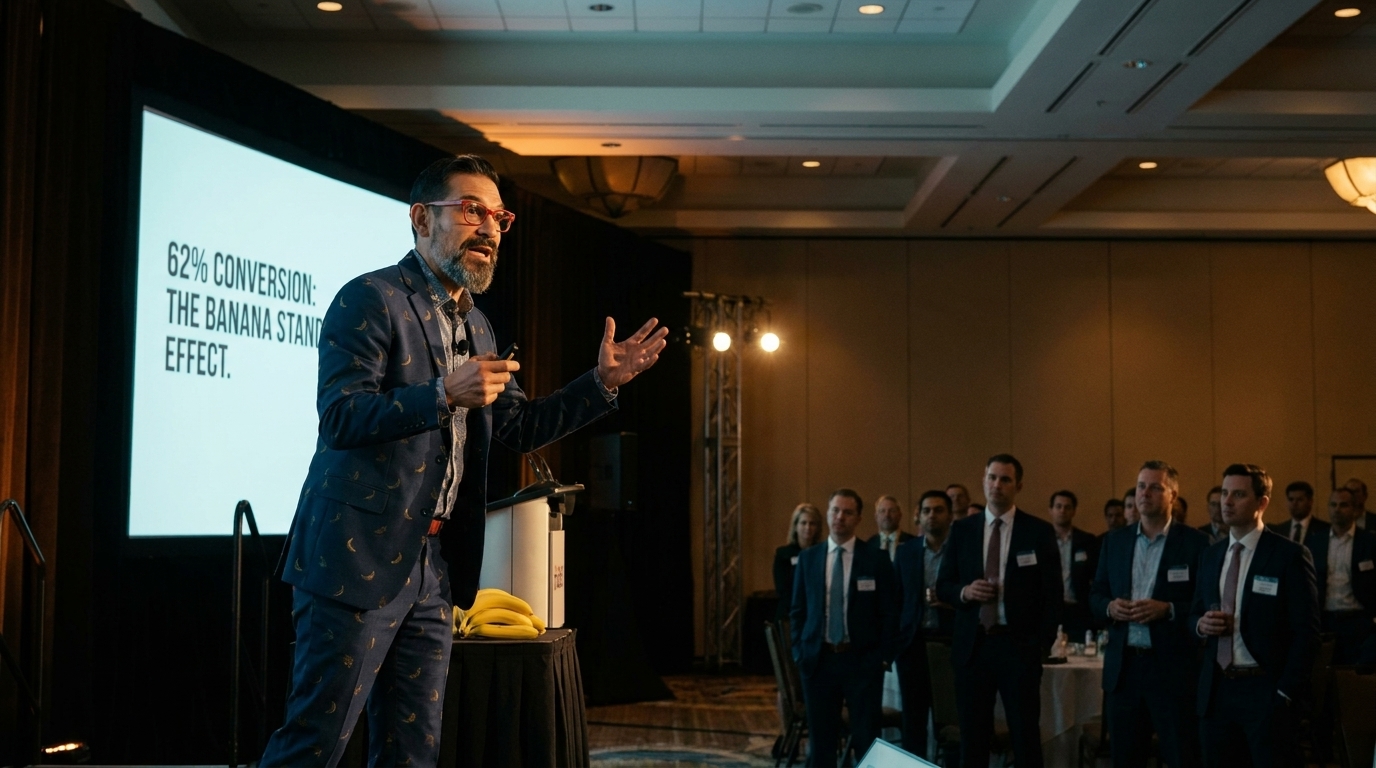
The FreshBooks banana stand story has become a piece of marketing legend: at a financial services conference where every competitor was spending thousands on conventional booths, Colt's team recreated the Arrested Development Banana Stand — 'There's always money in the banana stand' — and handed out 2,000 branded bananas instead of pens and mouse pads. The result: 62% of recipients visited the FreshBooks website and signed up. The industry standard for direct mail conversion is 5-10%. CNN covered it. The story circulated for years. That 62% number is not a rounding error. It is the proof of concept for everything Colt teaches.
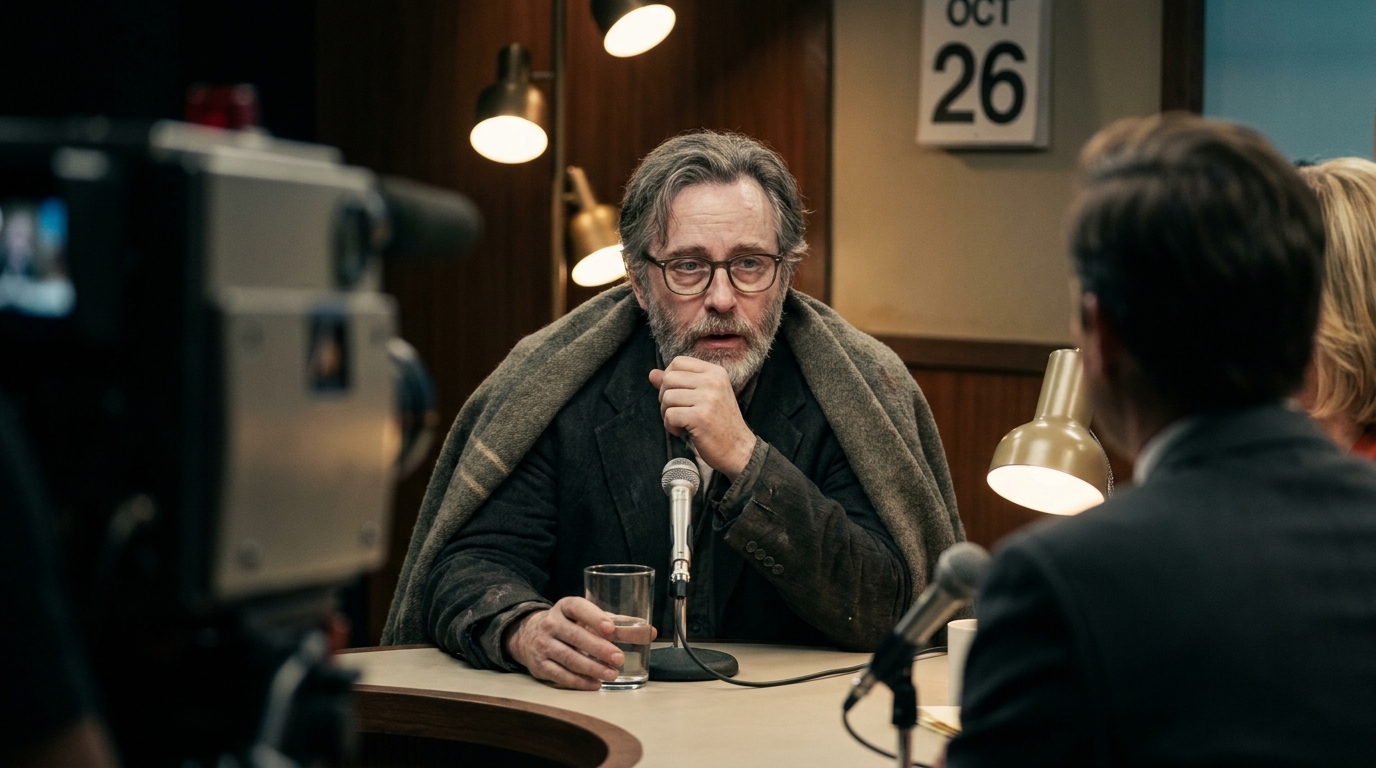
The Idea Integration Company, which Colt founded in 2008 and has operated for 18 years, absorbed the entire creative team from Mad Magazine (after the publication effectively shuttered its active editorial operation) and a group of writers from The Simpsons. The combination of satire-trained minds with deep expertise in what makes people actually feel something — laugh, think, cry — is the operational edge that Colt has built his agency's reputation on. He delivered his Mornings in the Lab appearance with pneumonia and still out-performed most healthy guests.
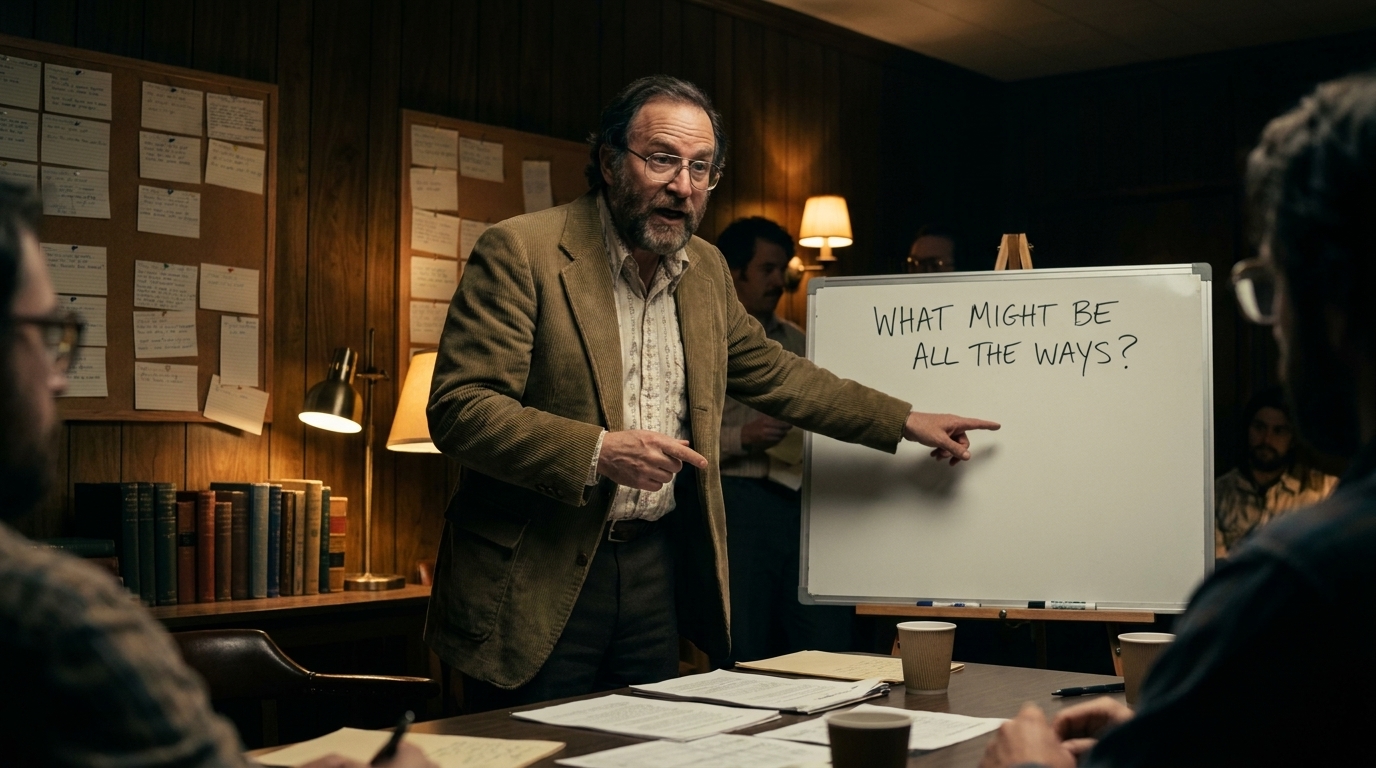
In 2025, he published his first book: The Only Creative Process That Matters, a bestseller that distills his method for generating bold ideas — from the initial brainstorm question ('What might be all the ways?') through vetting, selling to skeptics, and executing to produce results. He has spoken at SXSW seven times, CES twice, and at over 300 events worldwide including NYU, Stanford, Nike HQ, and Amazon HQ.
Saul Colt appeared on the Center Stage segment of Mornings in the Lab, showing up with pneumonia — because, as he put it, nothing was going to keep him from being there.