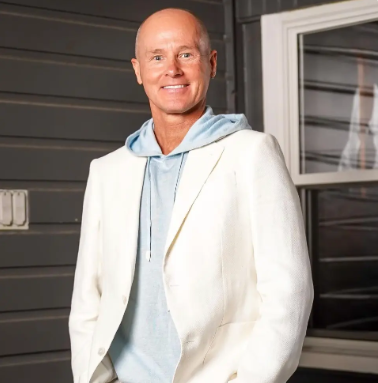
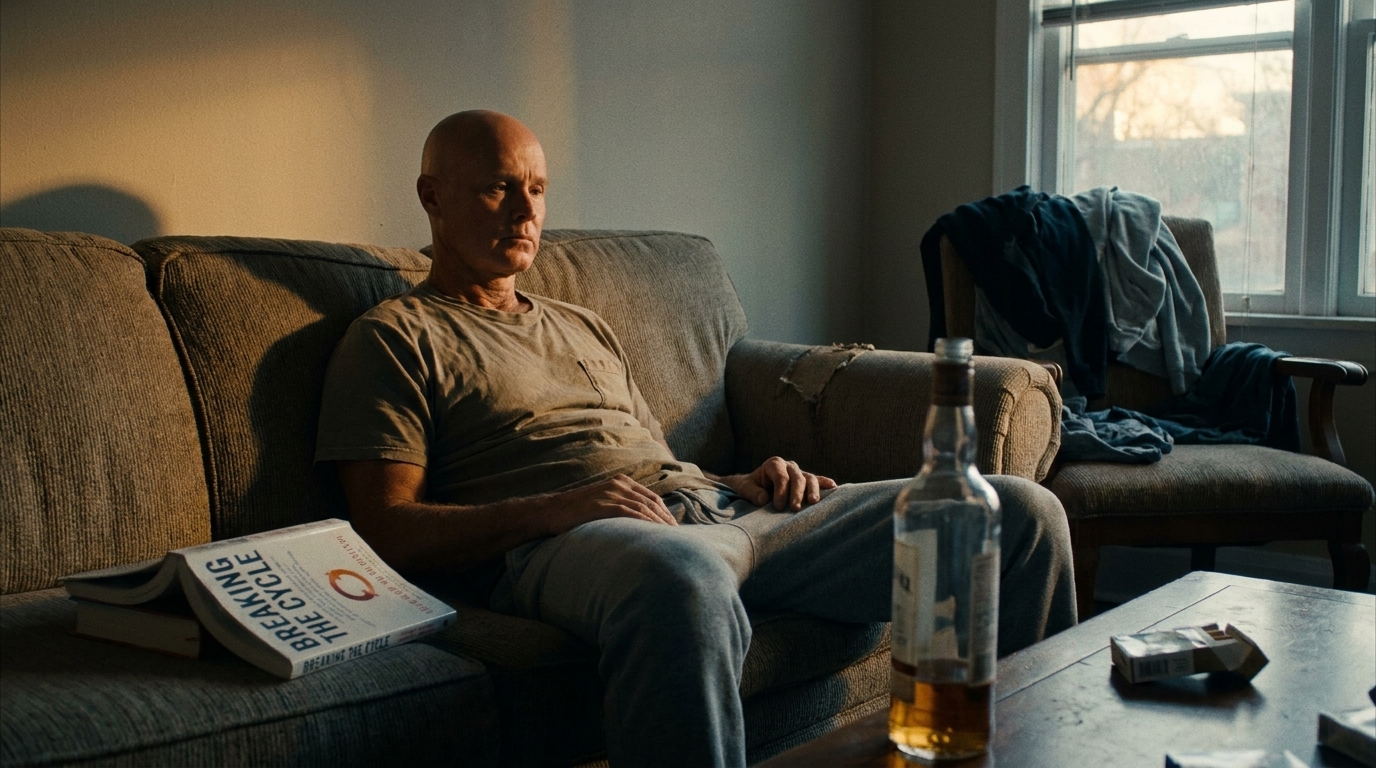
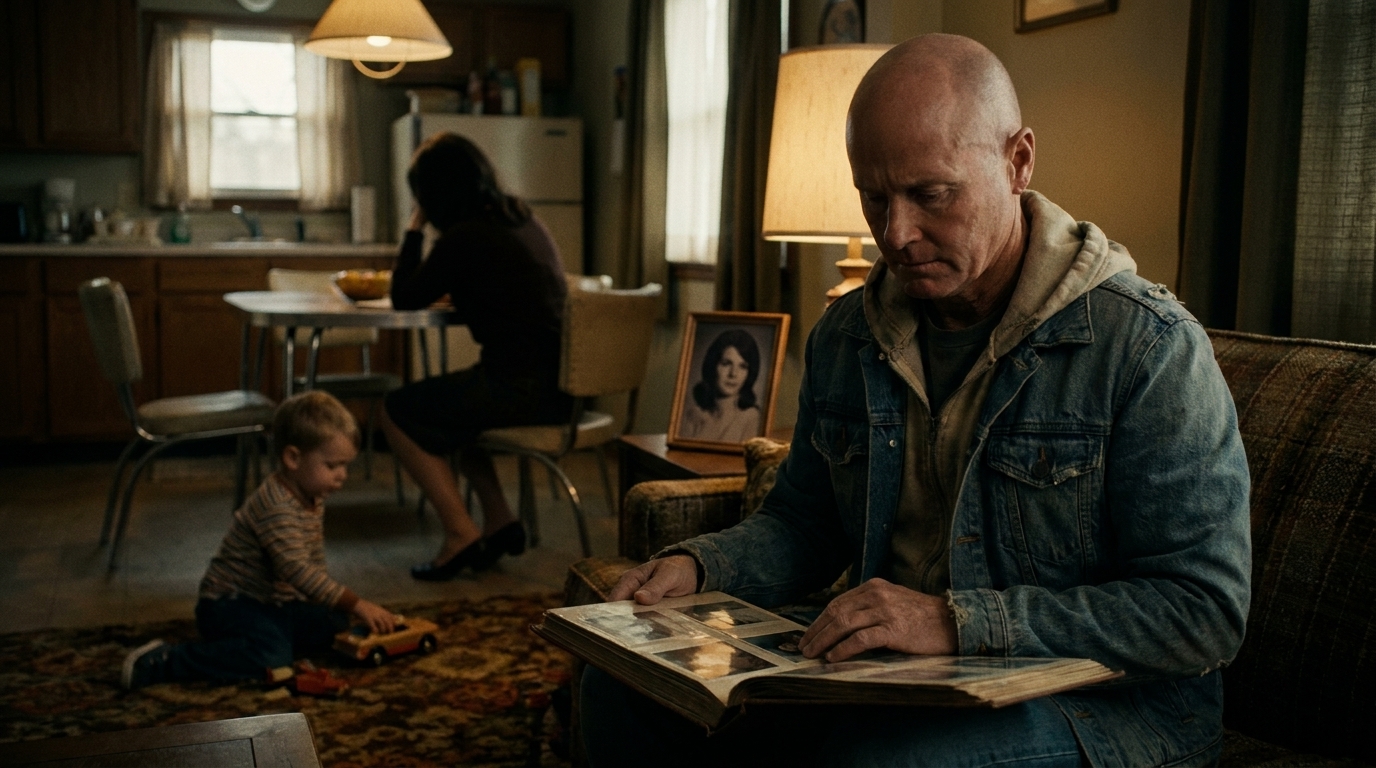
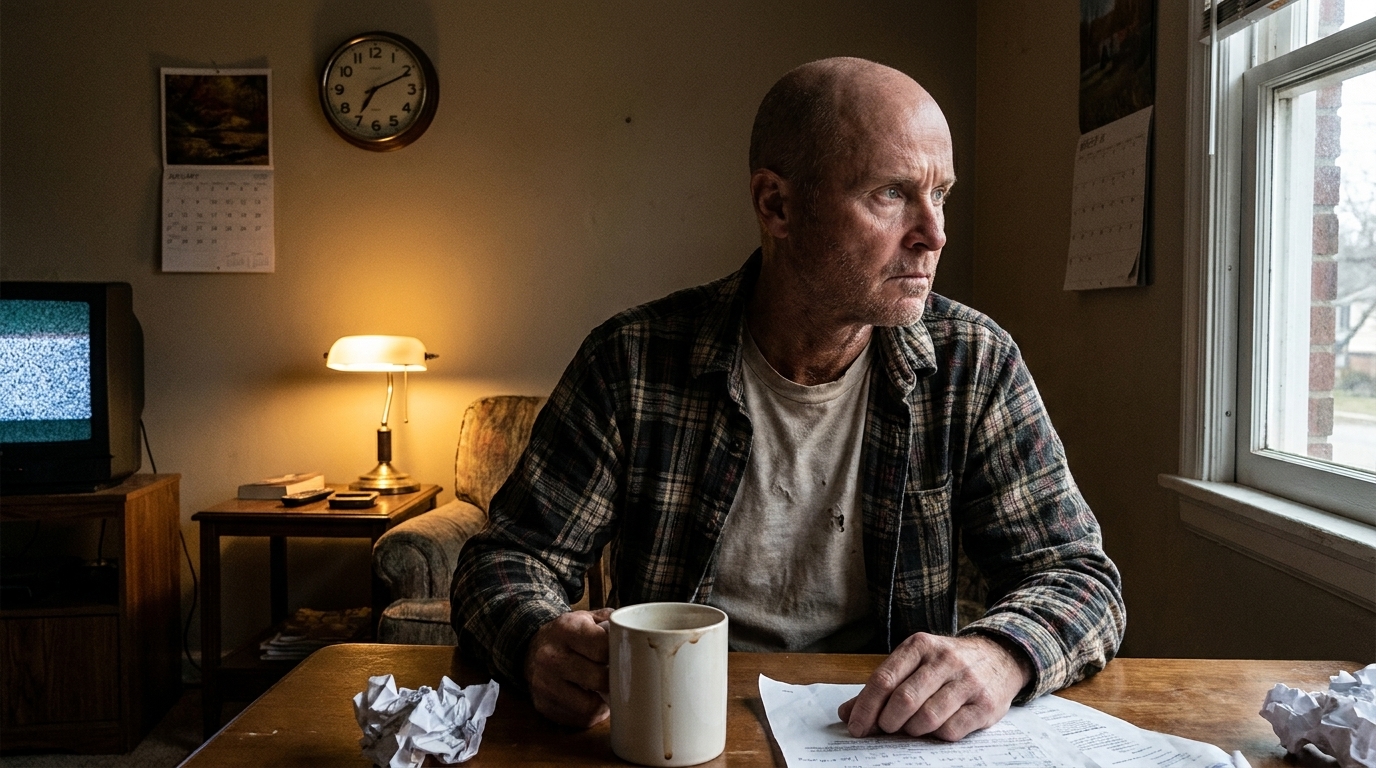
Todd Crandell lost his mother at age three — she died from the intersection of addiction and suicide before he was old enough to understand what either word meant. By 13, he had taken his first drink. By his 20s, heroin, cocaine, alcohol, and prescription medications had consumed nearly everything that had once been promising in his life: a competitive hockey career, ended by expulsion for cocaine use; relationships, destroyed; housing, gone; freedom, briefly, multiple times. He was jailed, homeless, and charged with drunk driving three times. He spent 13 years inside a pattern of dependency that, from the outside, looked like a person determined to destroy himself.
Read the full guest story
Todd Crandell lost his mother at age three — she died from the intersection of addiction and suicide before he was old enough to understand what either word meant. By 13, he had taken his first drink. By his 20s, heroin, cocaine, alcohol, and prescription medications had consumed nearly everything that had once been promising in his life: a competitive hockey career, ended by expulsion for cocaine use; relationships, destroyed; housing, gone; freedom, briefly, multiple times. He was jailed, homeless, and charged with drunk driving three times. He spent 13 years inside a pattern of dependency that, from the outside, looked like a person determined to destroy himself.
On April 15, 1993, after his third drunk driving charge, Todd Crandell quit — everything, all at once, overnight. No treatment center. No program. No pharmaceutical support. He made a decision, and he held it. That decision is now more than 30 years old.
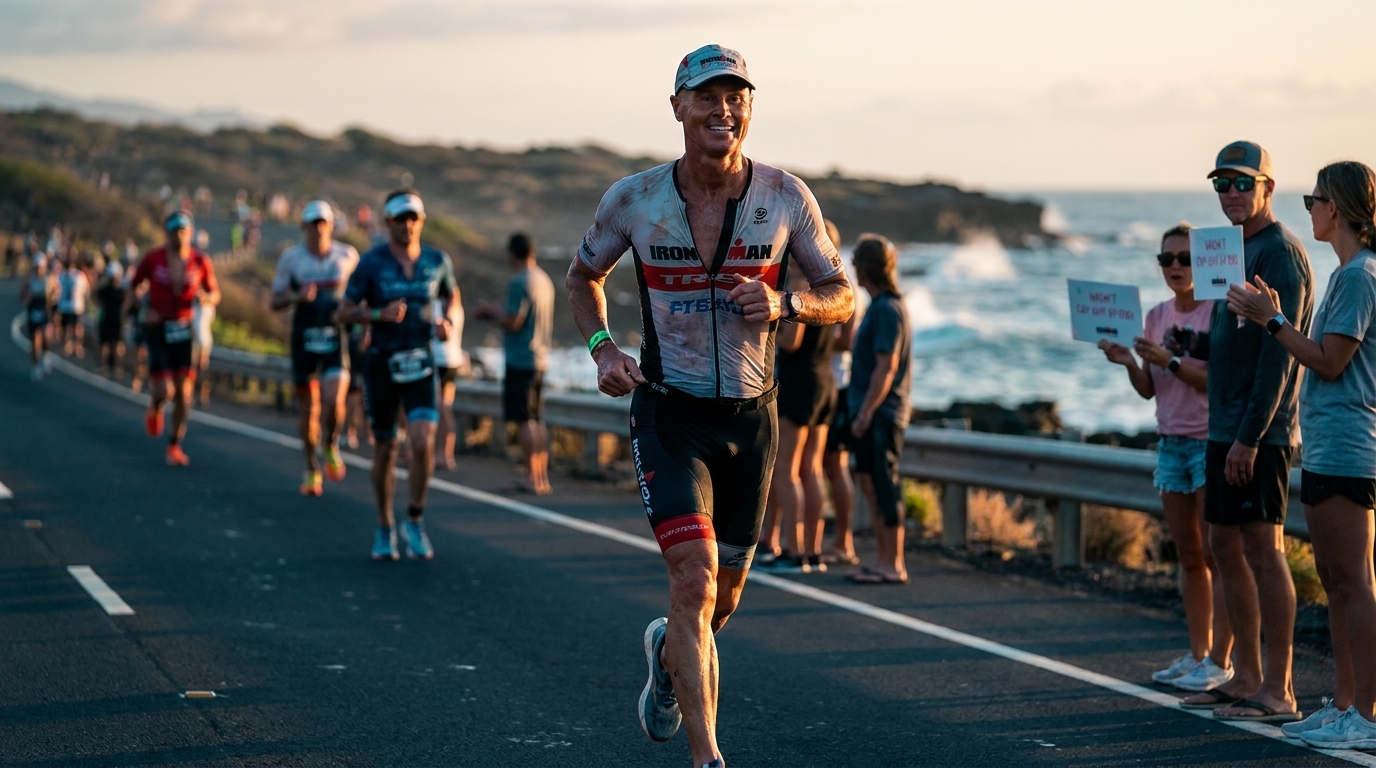
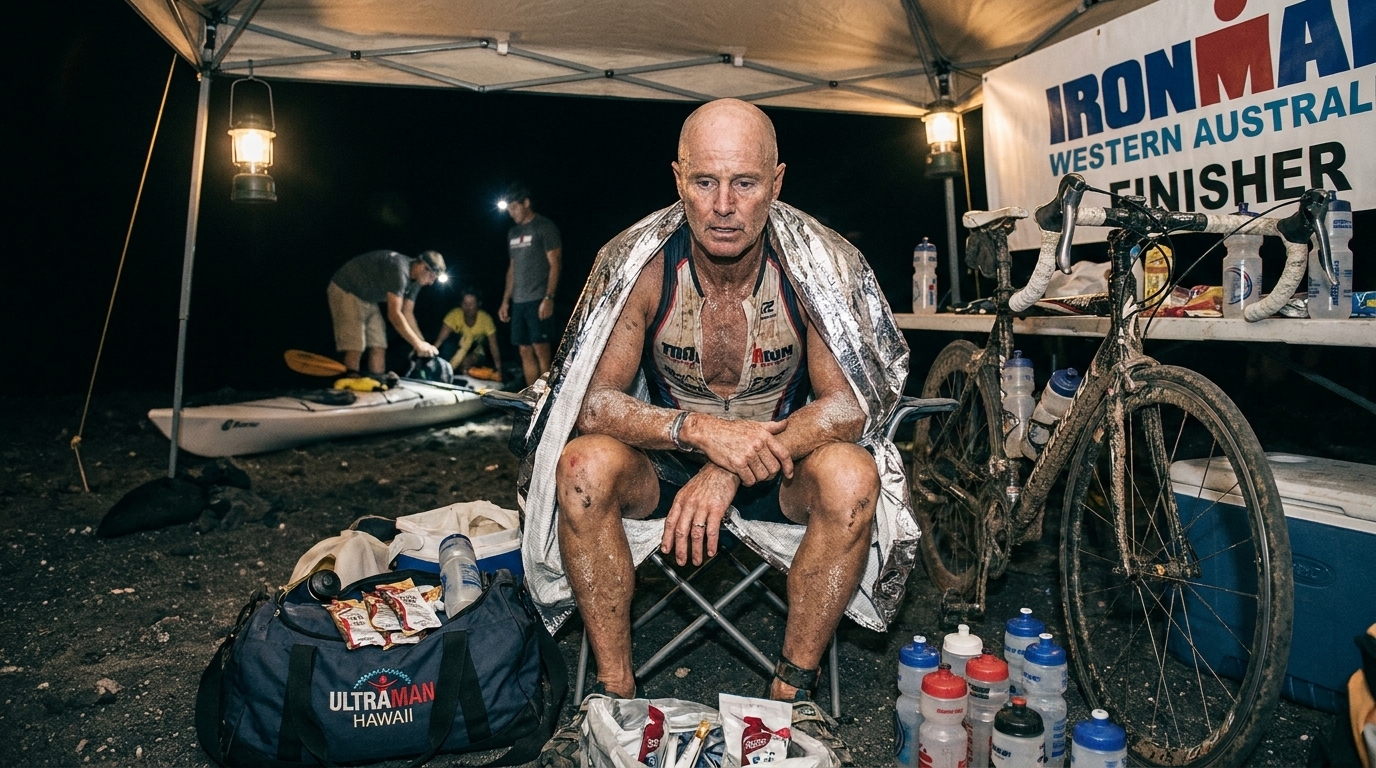
Six years after he got sober, Todd crossed the finish line of his first Ironman triathlon — a 2.4-mile swim, 112-mile bike, and 26.2-mile run that most people complete in awe of the effort and never attempt again. Todd did not stop. He has since completed over 128 Ironman and Ultraman events across more than 25 countries on six continents. In 2008, in a single week, he completed both the Ironman Western Australia and the Ultraman Hawaii Triathlon — a three-day event consisting of 6.2 miles of swimming, 90 miles of biking, and a 52.4-mile run — making him the only person in the world to complete both events in the same week that year. He has earned the prestigious All World Athlete (AWA) status and has been featured on CNN, ESPN, BBC, and in The New York Times and Runner's World Magazine.
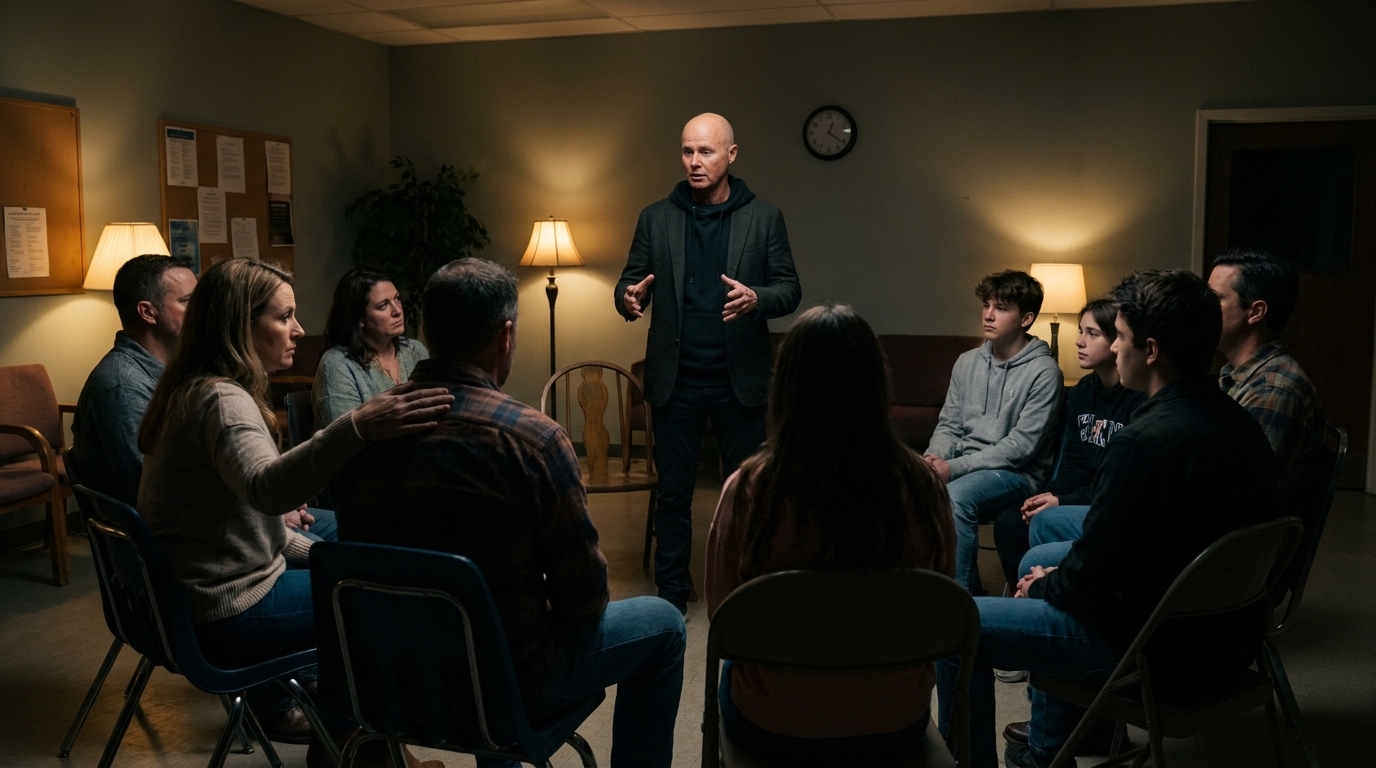
But the races are the vehicle, not the destination. In 2001, Todd founded Racing for Recovery — a federally approved 501(c)(3) CARF-certified nonprofit that offers weekly support group meetings (in-person and virtual), intensive outpatient programming, family counseling, and holistic wellness resources. The program is built on Todd's conviction that traditional recovery models are often insufficient because they fail to address the emotional trauma at the root of addictive behavior and fail to redirect addictive drives into positive, life-affirming action. Racing for Recovery does both.
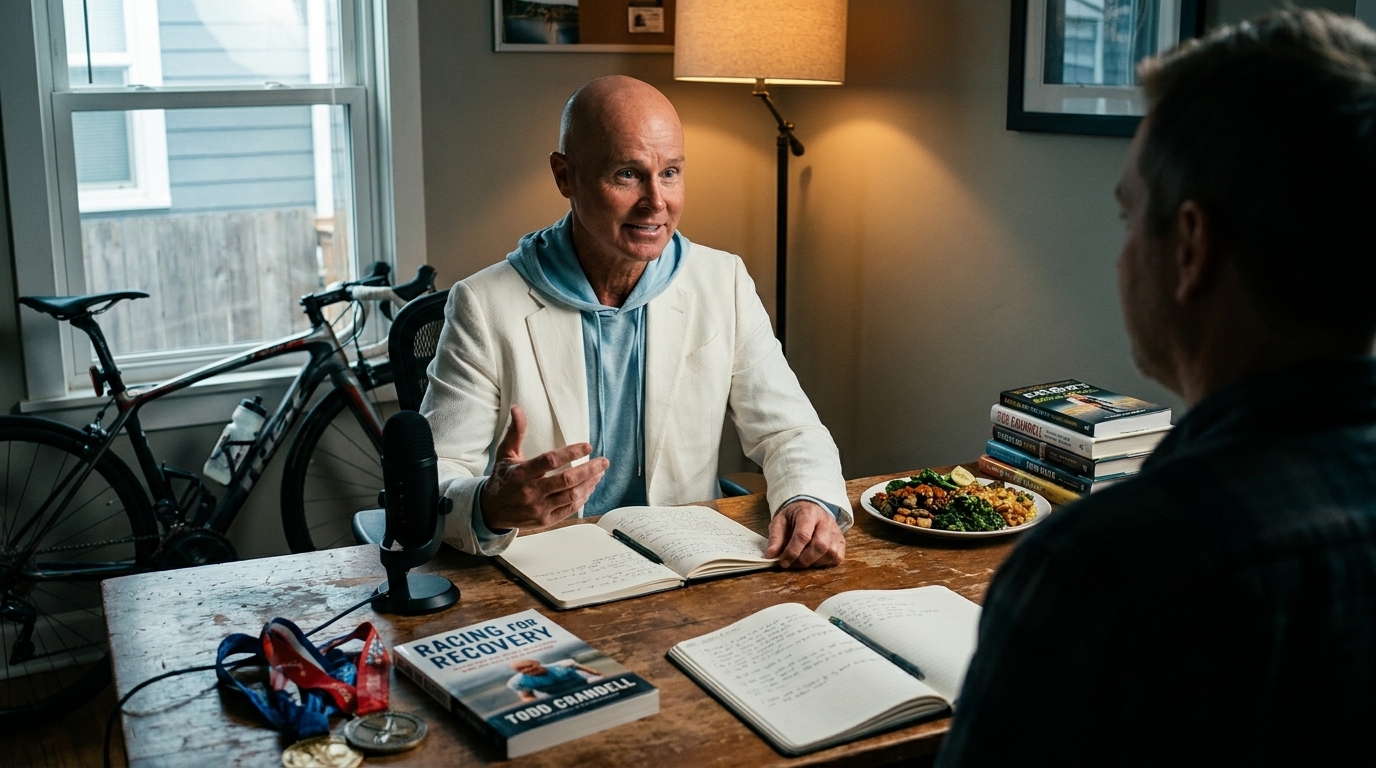
Todd became a Licensed Professional Clinical Counselor (LPCC-S) and a Licensed Independent Chemical Dependency Counselor (LICDC-CS), graduating from Spring Arbor University in 2007. He has authored seven books, including 'Racing for Recovery: From Addict to Ironman' (2006), 'Choices and Consequences' (2019), 'Do No Harm' (2023), '100: My Ironman Journey' (2023), and 'Creating Todd Crandell' (2024). He is the subject of four documentaries — Addict (2003), Running with Demons (2012), Pure Euphoria (2020), and Racing for Recovery (2024). He speaks nationally to school districts, corrections facilities, drug treatment centers, and community organizations, leading with a single, unwavering message: with sobriety, anything is possible.
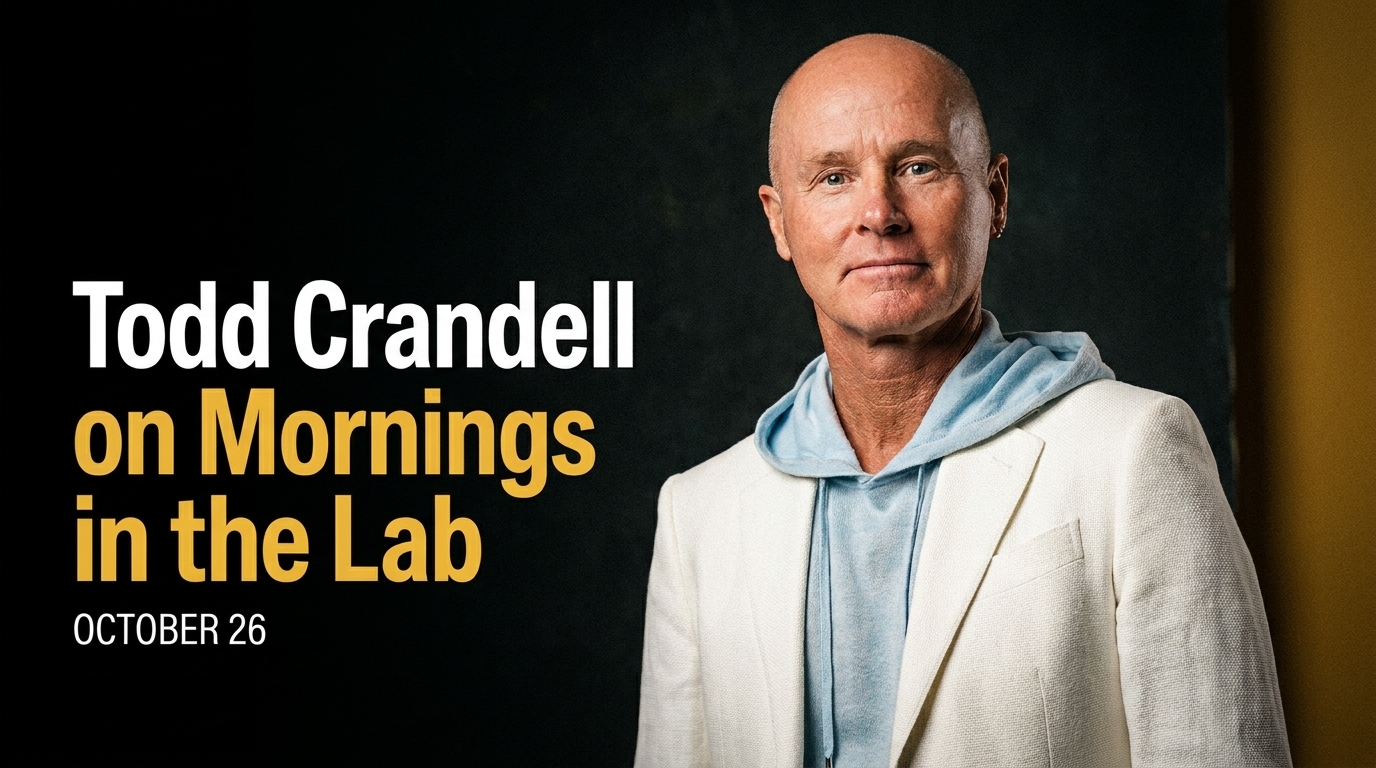
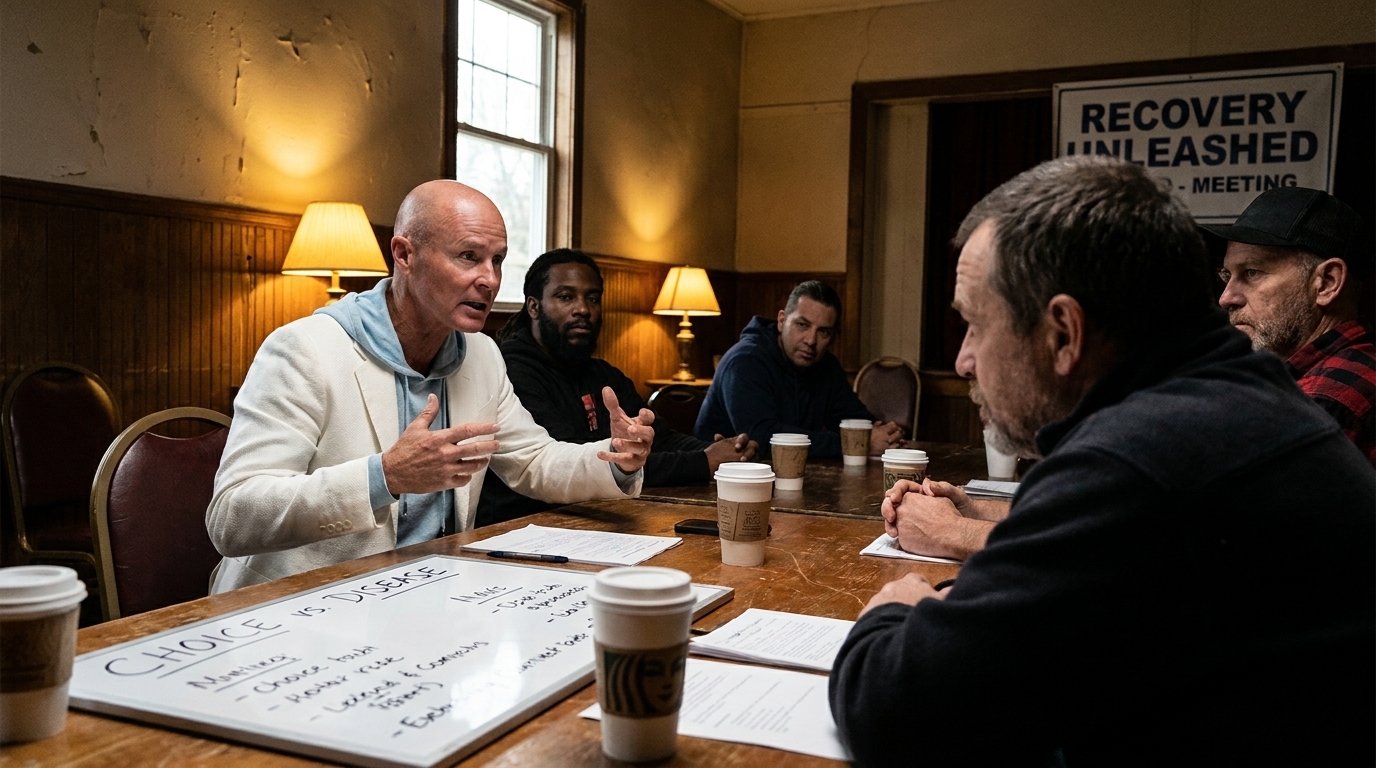
Todd Crandell appeared on the Center Stage segment of Mornings in the Lab to examine what he means when he says addiction and sobriety are choices — and why that conviction, however challenging, is the foundation of everything he has built.