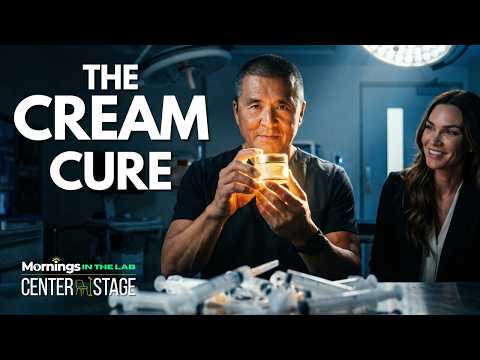
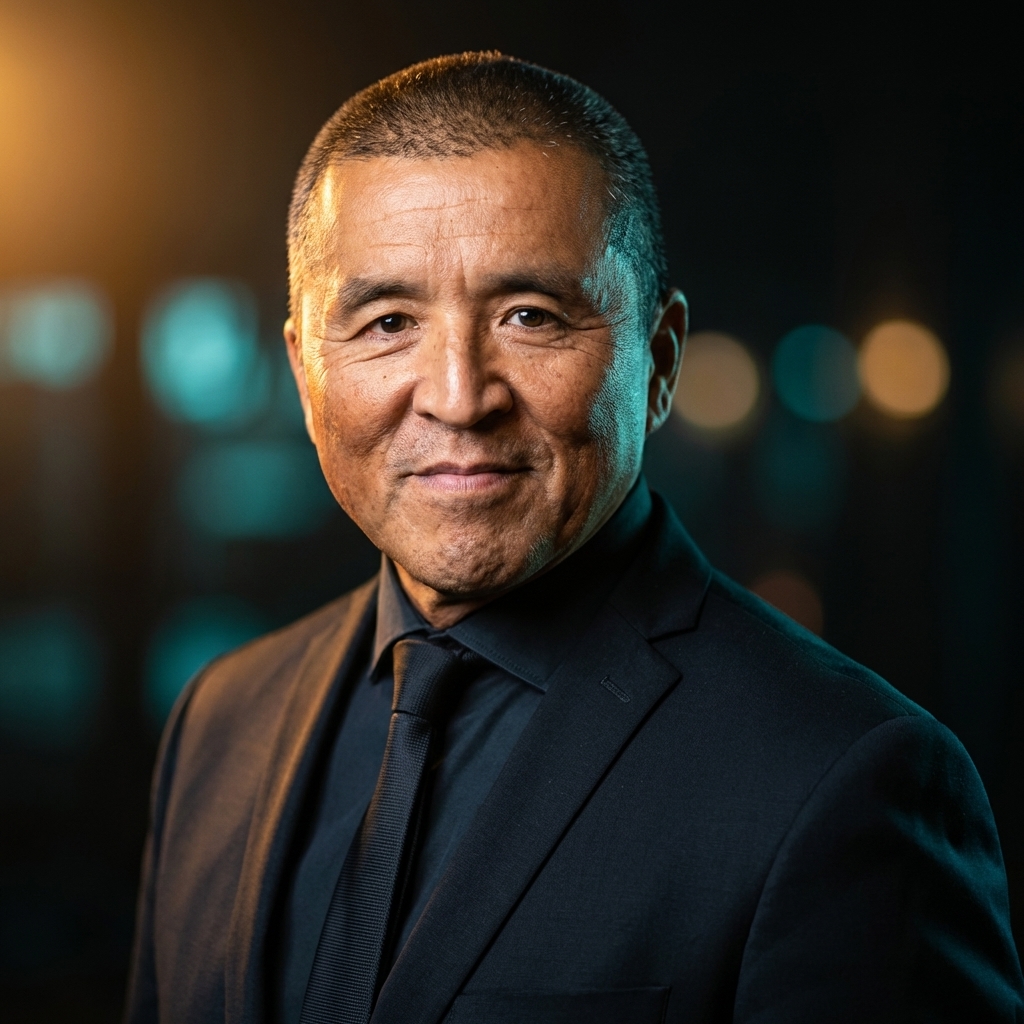
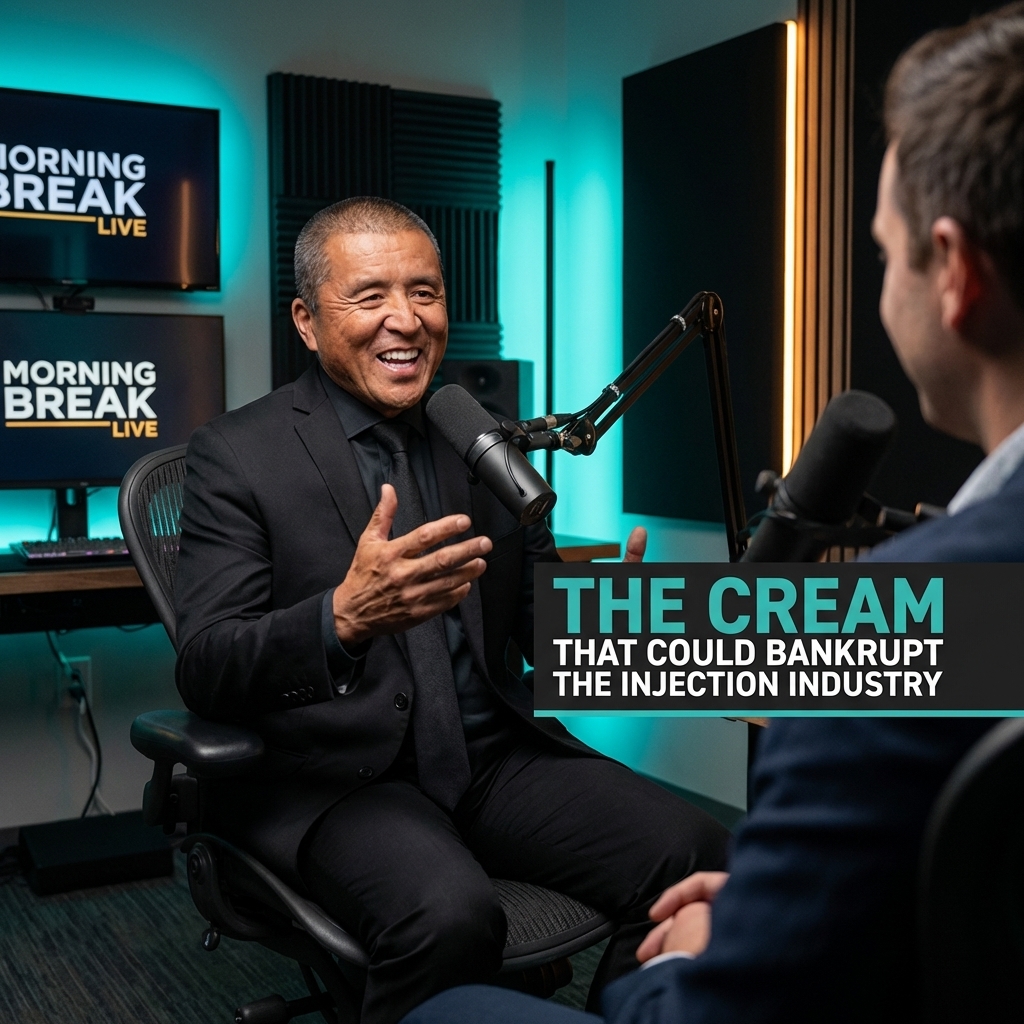
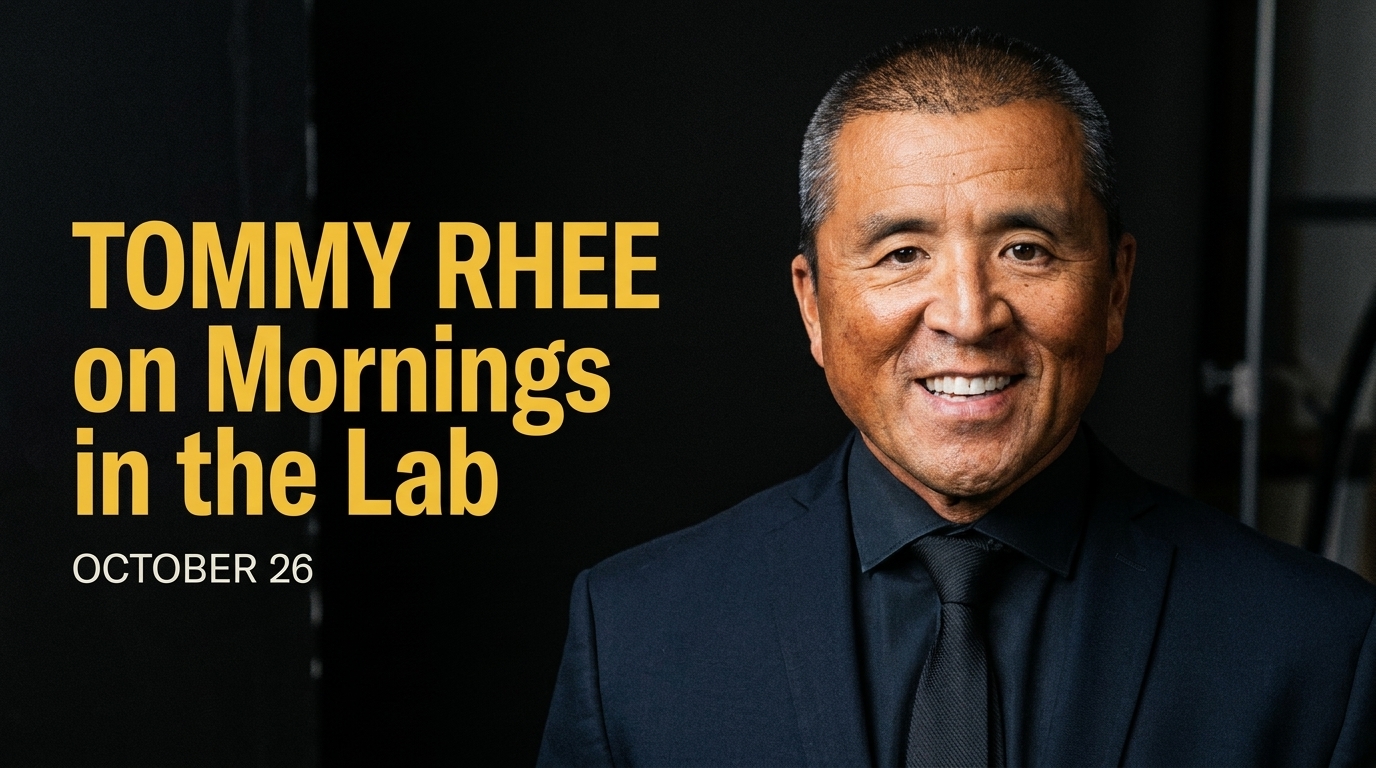
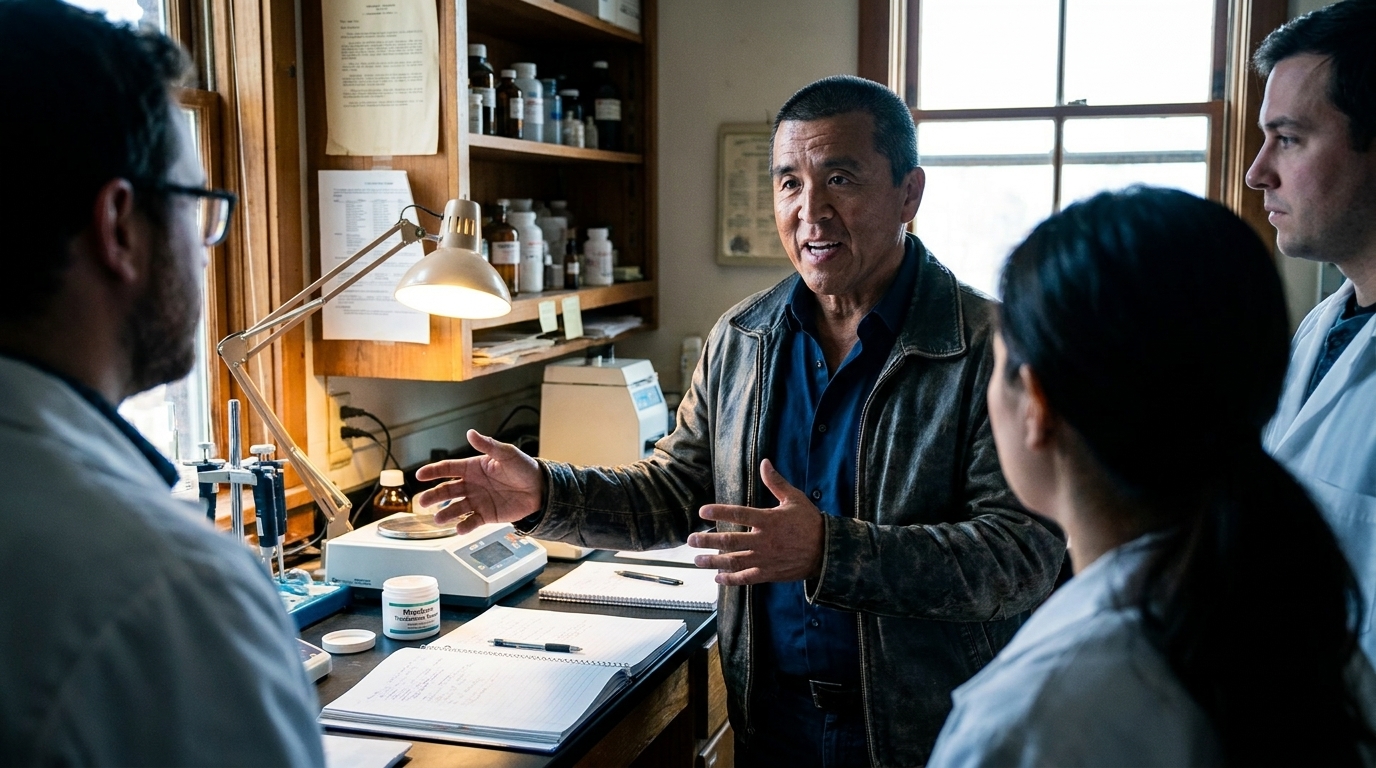
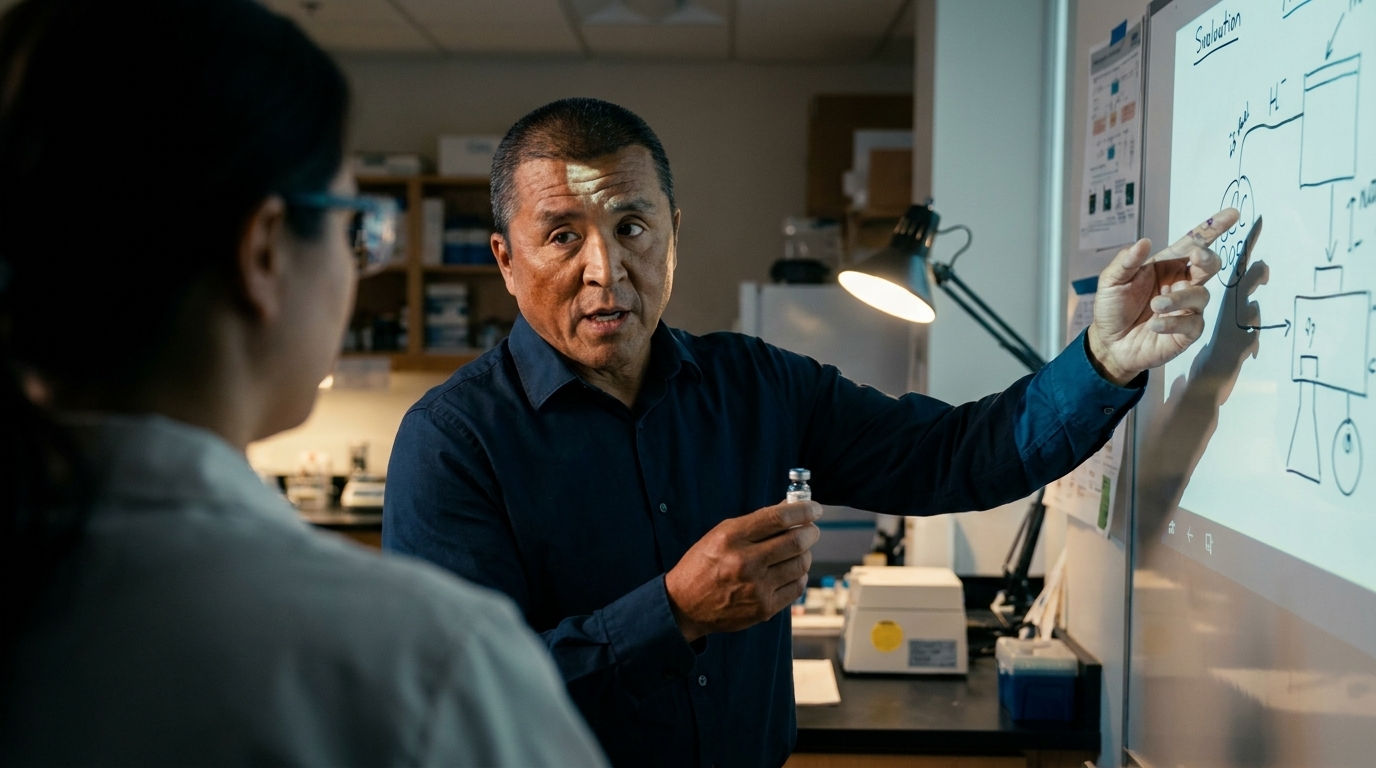
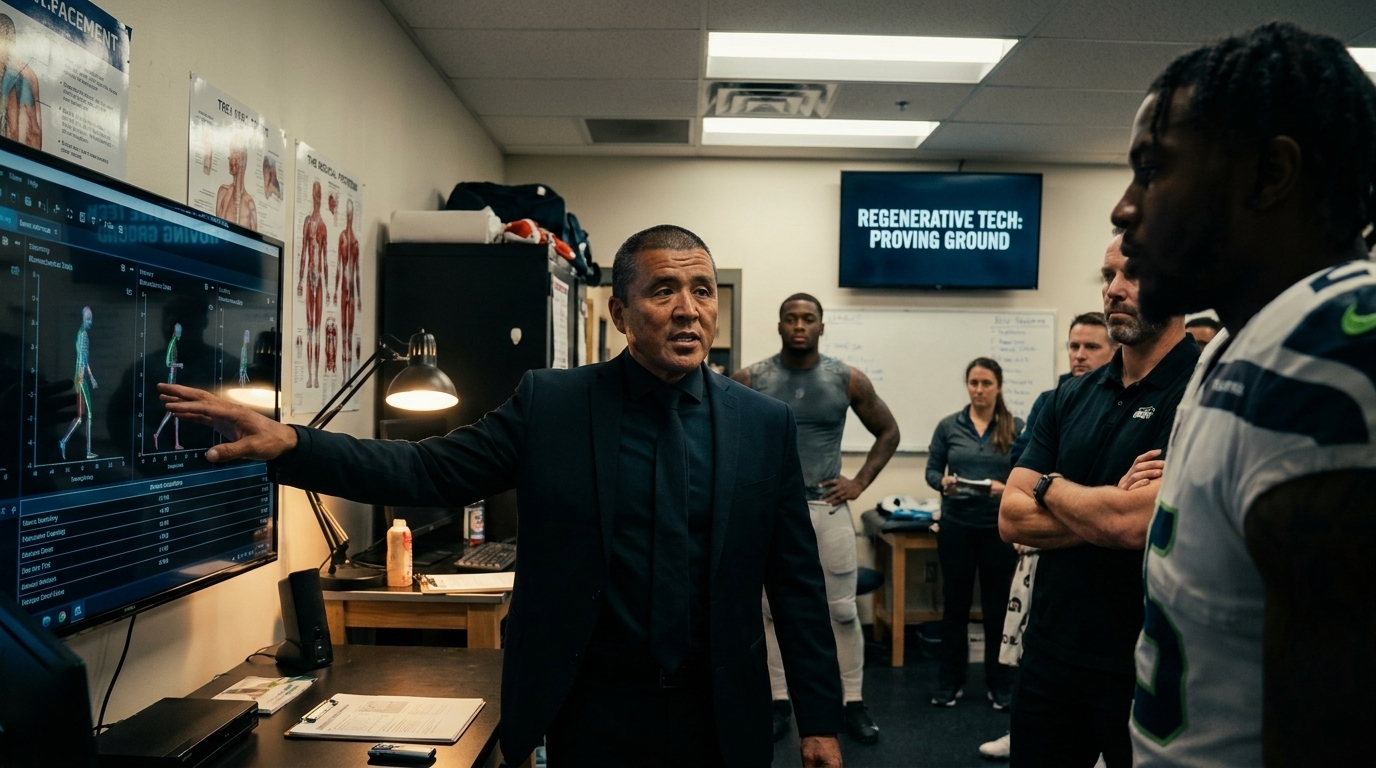
Dr. Tommy Rhee, DC, is a sports chiropractor, regenerative medicine pioneer, military veteran, and the founder and CEO of RheeGen — the world's first transdermal stem cell-derived regenerative therapy cream. Based in Tampa, Florida, Dr. Rhee has built a career defined by an unrelenting pursuit of what comes next in human performance and recovery, consistently introducing innovations to his region before they became standard of care. A man of uncommon range, he brings the discipline of military service together with the precision of clinical science and the vision of a serial innovator.
Read the full guest story
Dr. Tommy Rhee, DC, is a sports chiropractor, regenerative medicine pioneer, military veteran, and the founder and CEO of RheeGen — the world's first transdermal stem cell-derived regenerative therapy cream. Based in Tampa, Florida, Dr. Rhee has built a career defined by an unrelenting pursuit of what comes next in human performance and recovery, consistently introducing innovations to his region before they became standard of care. A man of uncommon range, he brings the discipline of military service together with the precision of clinical science and the vision of a serial innovator.
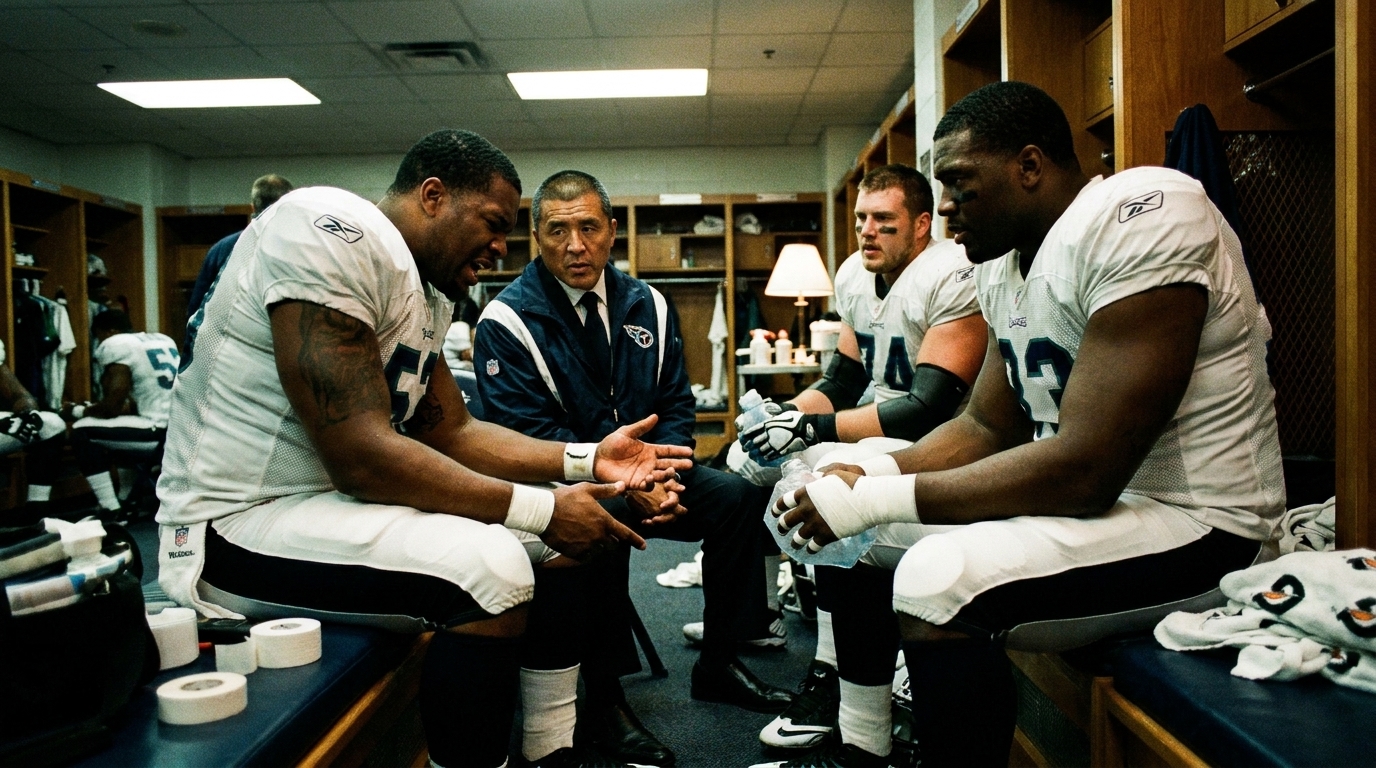
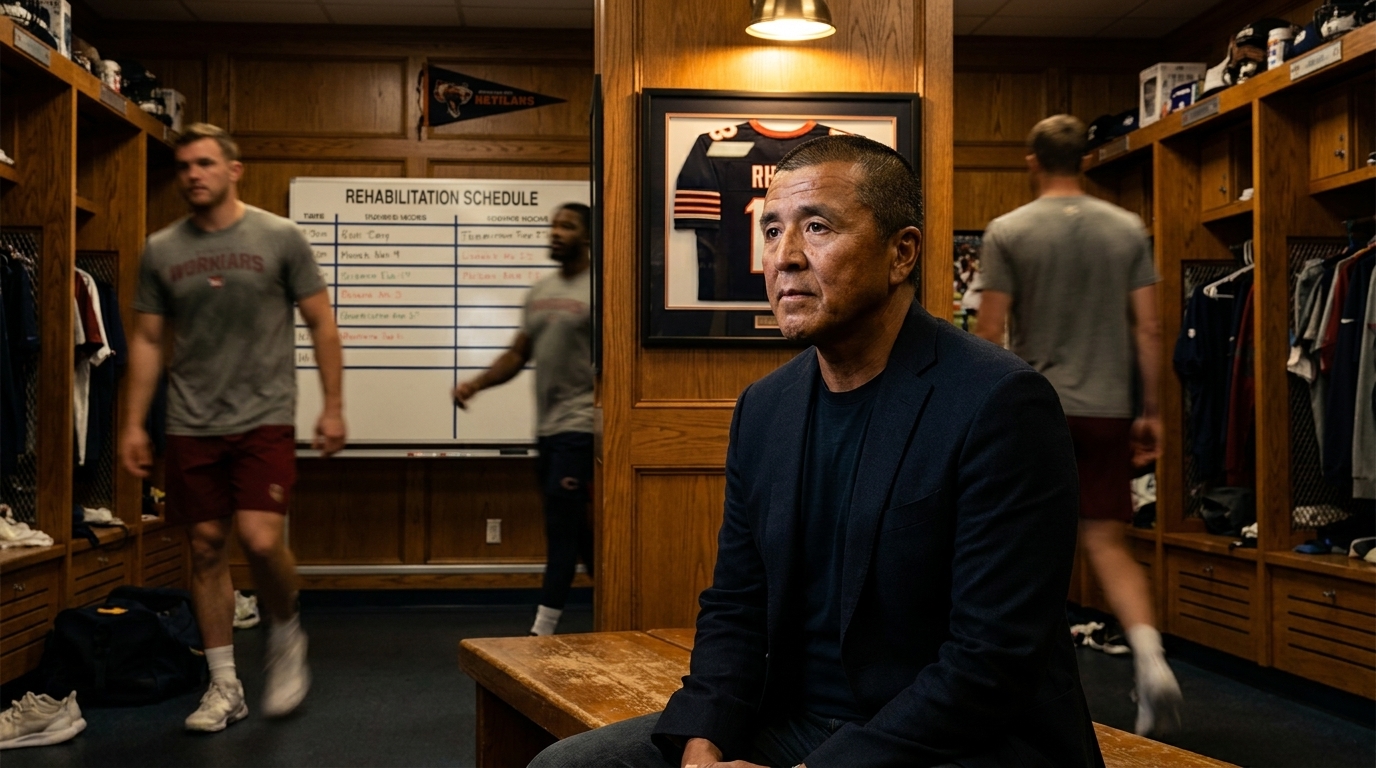
Dr. Rhee's path into sports medicine began with his military background, which instilled the foundational principles of performance under pressure that have guided every stage of his career. He went on to establish himself in the Los Angeles market, working extensively with athletes at UCLA before relocating to Tampa Bay. His reputation as a high-performance clinician earned him the role of Team Chiropractor for the Tampa Bay Buccaneers from 2015 to 2018, where he worked directly with NFL players navigating the extreme physical demands of professional football. During this period he also worked with WWE performers and professional tennis players — populations whose bodies face chronic, high-intensity wear and who require solutions that are both effective and operationally viable within the rhythms of a competitive season.
Throughout his clinical career, Dr. Rhee established a pattern of being first. He became the first Master Provider of Active Release Techniques (ART) in Tampa Bay in 2008, introduced Exercise With Oxygen Therapy (EWOT) to the region in 2012, brought WholeBody Cryotherapy to Tampa Bay in 2015, introduced PiezoWave Shockwave therapy in 2016, and pioneered CryoFos in 2018. Each milestone reflected not just adoption of emerging technology, but a deliberate philosophy: meet the cutting edge and bring it to the people who need it. That same philosophy eventually pointed him toward the frontier of regenerative medicine — and toward a problem no one had yet solved.
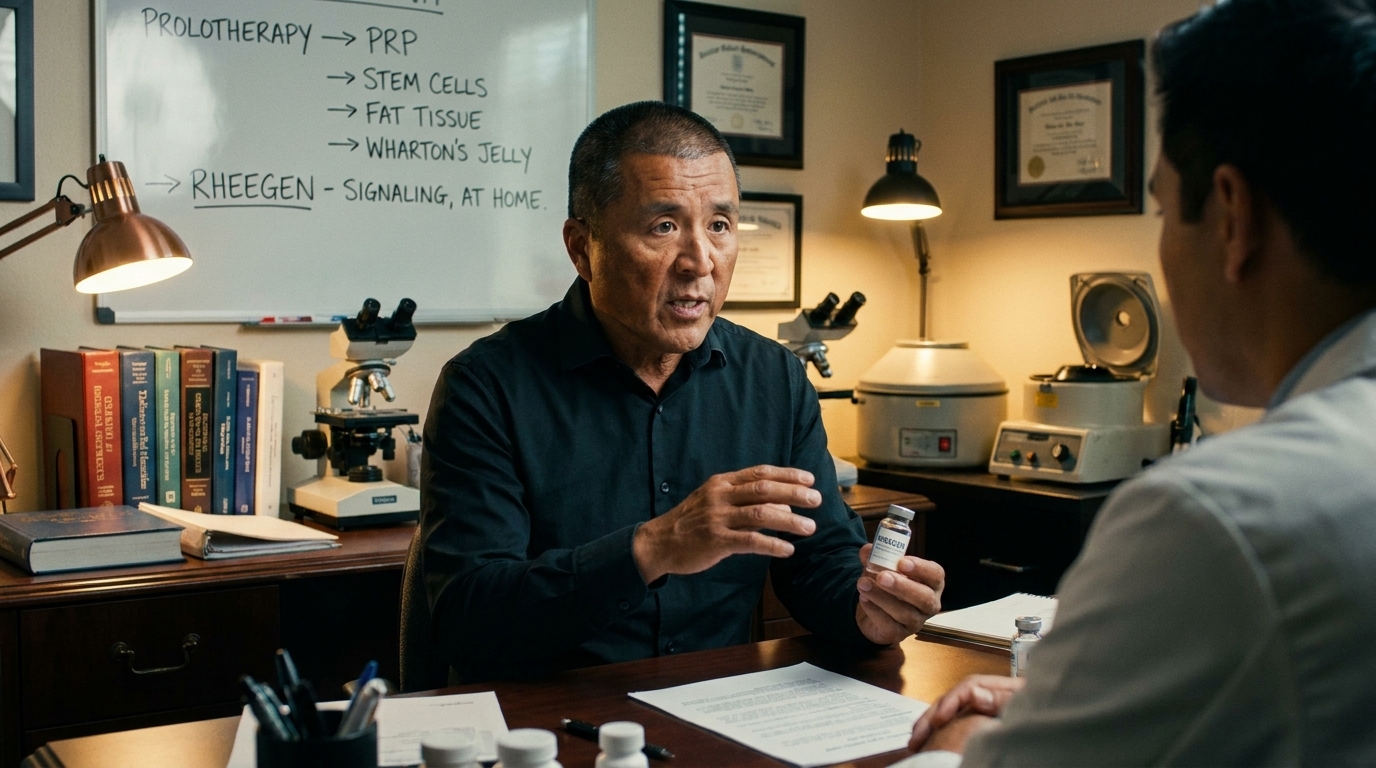
The genesis of RheeGen came directly from his NFL players. During the season, stem cell injections were not a viable option — the logistics, the recovery windows, and the risks of live-cell administration made them impractical. His players wanted the benefits of regenerative therapy without the injection. Dr. Rhee's response was to build an entirely new delivery system. The result is RheeGen: a patent-pending transdermal cream containing human mesenchymal stem cell-derived bioactive biomolecules sourced from the Wharton's jelly of umbilical cord tissue. The formula, encased in lipid nanoparticles and lyophilized for stability, is engineered to penetrate all three layers of skin — delivering signaling molecules including cytokines and proteins that instruct the body's existing tissue to regenerate, heal, and recover. Critically, RheeGen contains no live stem cells and carries no foreign DNA, making it FDA-compliant and eliminating the risks associated with live-cell injection therapies. At up to 95% less cost than injections that can run from $4,500 to $15,000, RheeGen represents one of the most significant accessibility breakthroughs in the history of regenerative medicine.
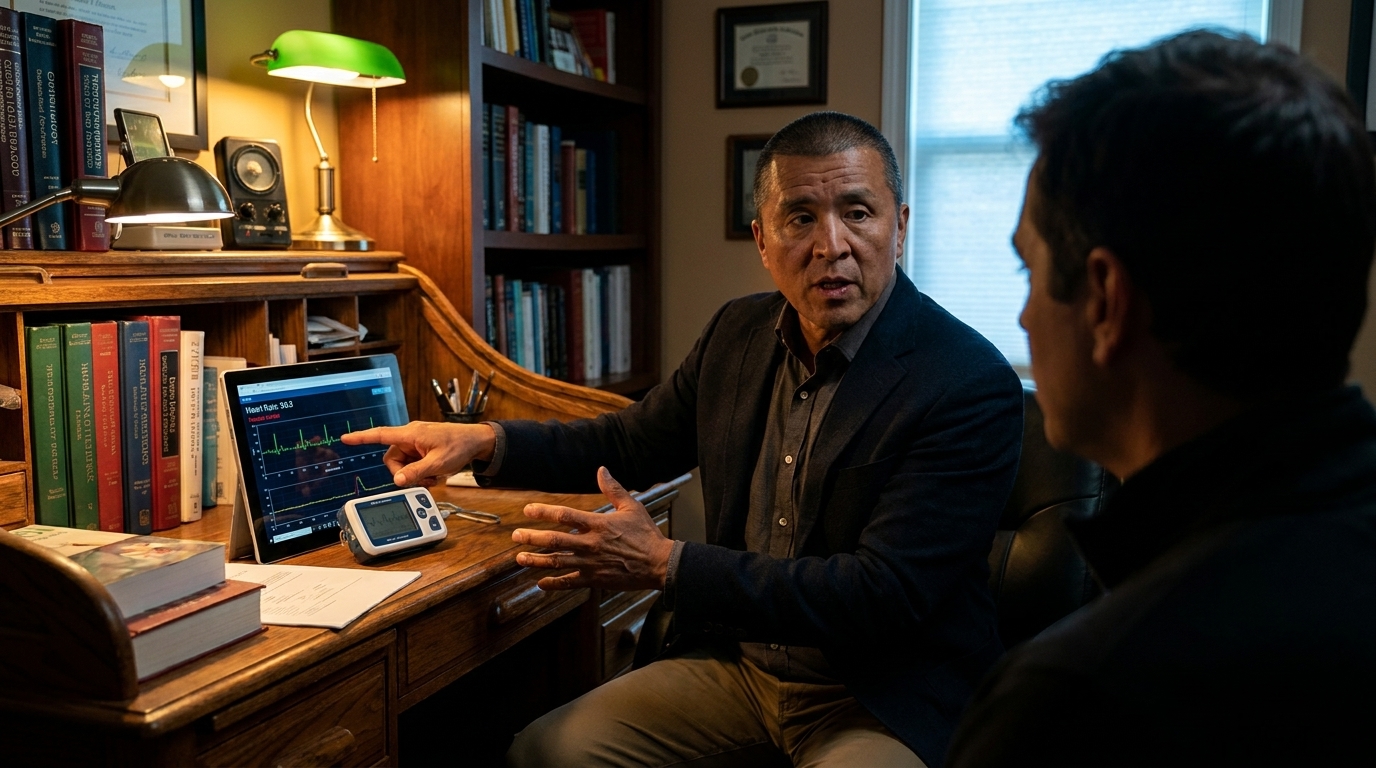
Dr. Rhee is also the published author of "The Future of Regenerative Medicine: Unlocking the Potential of Topical Stem Cell Therapy," a work that articulates both the scientific foundation and the broader vision for non-invasive regenerative care. In his clinical practice, he integrates Heart Rate Variability (HRV) monitoring as a tool for measuring autonomic nervous system function, recovery status, and the body's readiness to regenerate — bridging the gap between subjective recovery reports and objective physiological data. His work with professional athletes has deepened his understanding of the mental architecture of recovery, and he applies those insights to everyday patients, weekend warriors, and anyone seeking access to the regenerative tools that were once reserved exclusively for the elite.