NEXT LIVEMornings in the Lab with Keith, Jon & Friendsin 2h 22m
← All network guests
Alex Kaczynski
Mornings in the Lab · Center Stage

Alex Kaczynski

Former college football player and sales professional

MentorshipFitnessWork ethic
Watch the conversation

Watch Alex Kaczynski’s appearance in the full show.

Watch guest appearance on YouTube ↗

Questions this episode answers

How can habits learned in sport carry over into working life?

Alex Kaczynski credits his teenage training with Jon with building habits that remained useful after his athletic career ended. He says those habits helped him face difficult workouts, business demands and everyday challenges directly.

Read this moment in the transcript →

How did Alex Kaczynski approach sales when he felt less experienced?

Kaczynski says he compensated for gaps in experience and his sales pitch by putting more time into selling. In his account of working for the Oakland Athletics, he arrived early and kept working after colleagues had left.

Read this moment in the transcript →

What does a lasting mentoring relationship look like?

Kaczynski says his relationship with Jon continued through college and into his life afterward. While living in Spain, he stayed in frequent contact and continued turning to Jon for guidance.

Read this moment in the transcript →

Summary

Alex Kaczynski credits working with Jon Anderson from age fourteen with helping him build habits that carried from athletics into business and everyday challenges. He describes applying that work ethic in sales roles at the Oakland Athletics and Salesforce, emphasizing the time he invested rather than claiming he always had the best experience or pitch. He also explains that the mentorship continued beyond school and sport, including regular contact while he was living in Spain.

Key takeaways

  • Kaczynski says the training habits he developed as a teenager helped him approach difficult work after his athletic career ended, rather than treating those habits as useful only in sport.
  • In his account of selling for the Oakland Athletics, he compensated for perceived gaps in experience and efficiency by spending more time selling; this is his explanation of his own approach, not a promise that longer hours work for everyone.
  • He describes an ongoing mentoring relationship, with check-ins through college and afterward, rather than a connection that ended when the original training did.
Read the transcript →

Jump into the conversation

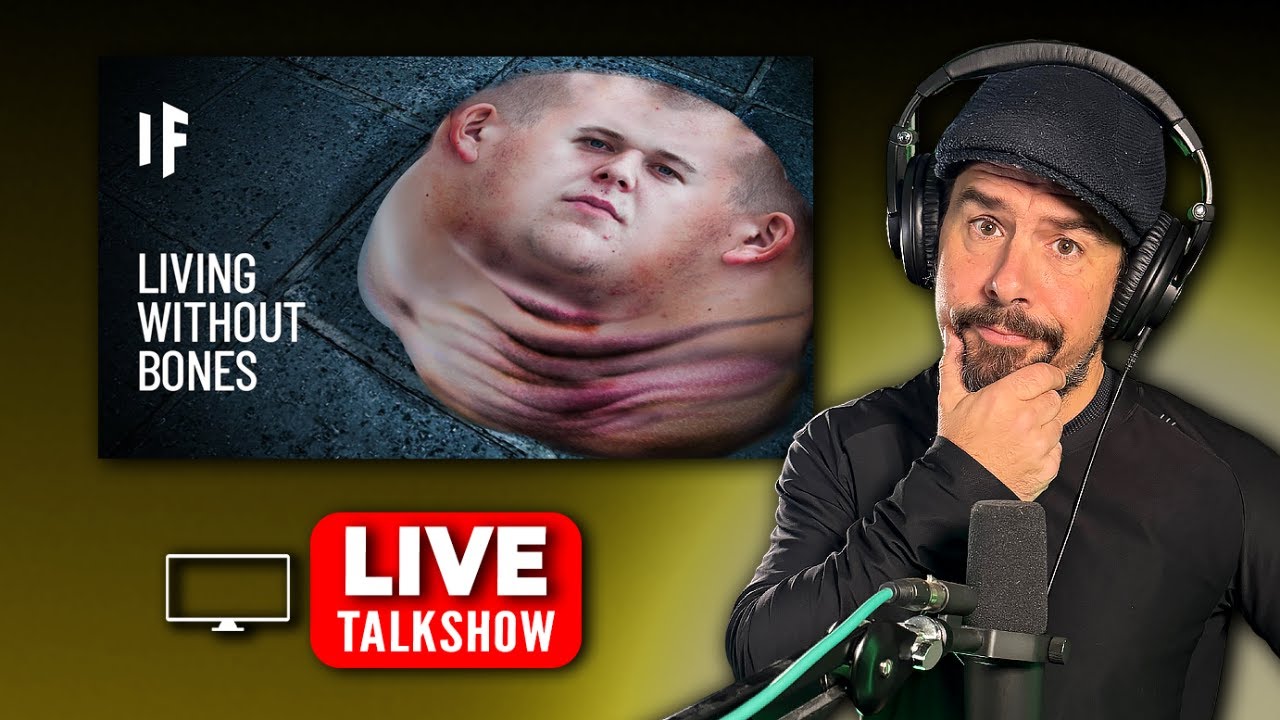
LIVE MORNING SHOW | WHAT IF WE DIDN’T HAVE BONES?
  1. 0:00Introduction and Morning Show Kickoff
  2. 0:18Exploring Life Without Bones
  3. 2:03Meet the Hosts and Guests
  4. 2:57Humorous Banter and Accountability
  5. 9:43Fitness and Health Insights
  6. 11:36AI and Technology with Kurt Stein
  7. 31:28Fitness Tips for Men Over 30
  8. 33:26Upcoming Events and Closing Remarks
  9. 34:42Introduction and Greetings
  10. 35:01Achieving Goals: The Importance of Action
  11. 36:04Playing Offense vs. Playing Defense
  12. 36:41The Cost of Inaction
  13. 39:23Taking Imperfect Action
  14. 42:34Building Consistency and Discipline
  15. 48:49The Power of Mentorship
  16. 1:00:34Exploring Hypotheticals: What If Scenarios
  17. 1:13:23Understanding Hypophosphatasia: A Rare Genetic Disorder
  18. 1:14:05The Importance of Bones and Taking Care of Your Skeleton
  19. 1:14:28Imagining Life with a 24-Hour Lifespan
  20. 1:14:44The Necessity of Bones and Staying Active
  21. 1:14:58Personal Reflections on Bone Health and Fitness
  22. 1:16:21The Importance of Resistance Training for Longevity
  23. 1:17:50The Role of Strength Training in Aging
  24. 1:19:28The Consequences of Neglecting Bone Health
  25. 1:23:49Morning Show Wrap-Up and Community Corner
  26. 1:28:21Dr. Monica's Journey and Advice for Entrepreneurs
  27. 1:44:31Creator Spotlight: Celebrating Sean Blanc
  28. 1:50:31Final Thoughts and Show Conclusion
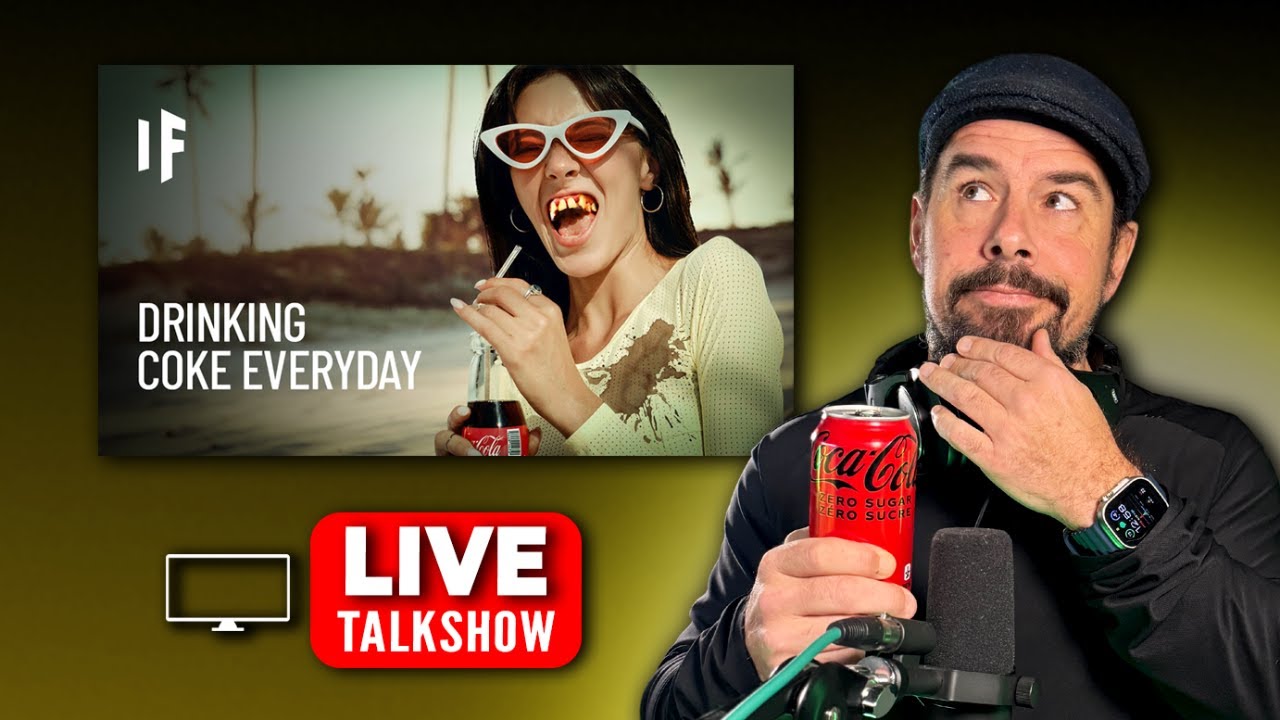
LIVE MORNING SHOW | WHAT IF WE ONLY DRANK COCA COLA?
  1. 0:00Introduction: Replacing Water with Coca Cola
  2. 0:30Meet the Morning Crew
  3. 1:47Special Guests and Wild Scenarios
  4. 2:33Johnny's Shower Story
  5. 5:17The What If Channel and Health Consequences
  6. 7:10Reaction Video: John Anderson's Extreme Habits
  7. 16:03Leadership and Feedback with Rodney Lawson
  8. 37:32Tony's Class Act and Coaching Philosophy
  9. 37:51Building Trust with Clients
  10. 40:55The Importance of Unconditional Love in Coaching
  11. 41:26Corporate Leadership and Love
  12. 43:58Trust: Sincerity, Knowledge, and Reliability
  13. 48:19Lifestyle Tips and Inflammation Discussion
  14. 50:47Understanding and Managing Inflammation
  15. 54:42Personal Experiences with Inflammation
  16. 1:01:29Inflammation and Weight Loss in Athletes
  17. 1:03:08Brand Byte: Collecting Proof of Impact
  18. 1:06:06What If Scenarios: Drinking Only Coca Cola
  19. 1:17:17The Consequences of Drinking Coke
  20. 1:18:07The Dangers of High Fructose Corn Syrup
  21. 1:18:49Long-Term Health Risks
  22. 1:19:24Psychological and Social Impacts
  23. 1:20:31Economic Factors and Accessibility
  24. 1:21:07A Story of Recovery
  25. 1:21:52Reflections and Personal Experiences
  26. 1:25:48Celebrating Achievements and Community
  27. 1:34:59The Importance of Curiosity
  28. 1:53:31Wrapping Up and Looking Ahead

Their story

Alex Kaczynski joins Jon Andersen and Keith to discuss mentorship, work ethic, and life after college football. He shares how training with Jon from a young age shaped his approach to fitness and his later work in sales.

Appearances & videos

  • Mornings in the Lab · Guest conversation

The guest conversation

[00:49:04] Keith: Of course, you get your own framing camera, but let's spend some time getting to know you. You're hanging out yesterday with us. You got an incredible story, dude. You went from playing D one football. To a transformation nation. Hear me clearly, man. This dude went from playing D one fifth ball football to losing 115 pounds. [00:49:20] Keith: Now, some of you guys that are rolling over right now, they're going, yeah, I've lost 10 pounds, 20 pounds, 30 pounds. That's awesome. [00:49:25] Jon: Jack Dugan, I just interject real quick, brother. He didn't starve himself to do it either. Oh, I love that. Oh, yeah. So he's, he didn't go, he didn't put himself through a bunch of suffering. [00:49:35] Jon: He learned to eat in a way to stimulate his metabolism. So he was full of energy, happy and healthy on his journey, which is key. [00:49:42] Keith: Let's get into that in …

Read the full transcript →
Appeared in