← All guestsCenter Stage

Center Stage · Mornings in the Lab

Andrew Forsthoefel

What changes when we really listen?

The author of Walking to Listen on curiosity, speaking honestly, and the personal work that comes before helping others.
Watch full interview on YouTube ↗
2026-09-30 · Episode #3146 · Keith Bilous & Jon AndersenFull conversation

Meet Andrew Forsthoefel

What changes when we really listen?

Andrew Forsthoefel is a writer and the author of Walking to Listen. His official biography also identifies him as an ordained interfaith minister and a restorative-practices specialist. In this conversation, he looks back on walking across America, the stories he wanted to hear, and the questions he was trying to answer about his own life. Keith and Jon explore listening, family and the ongoing work behind his perspective.

Conversation
Center Stage
Hosts
Keith & Jon
Air date
2026-09-30
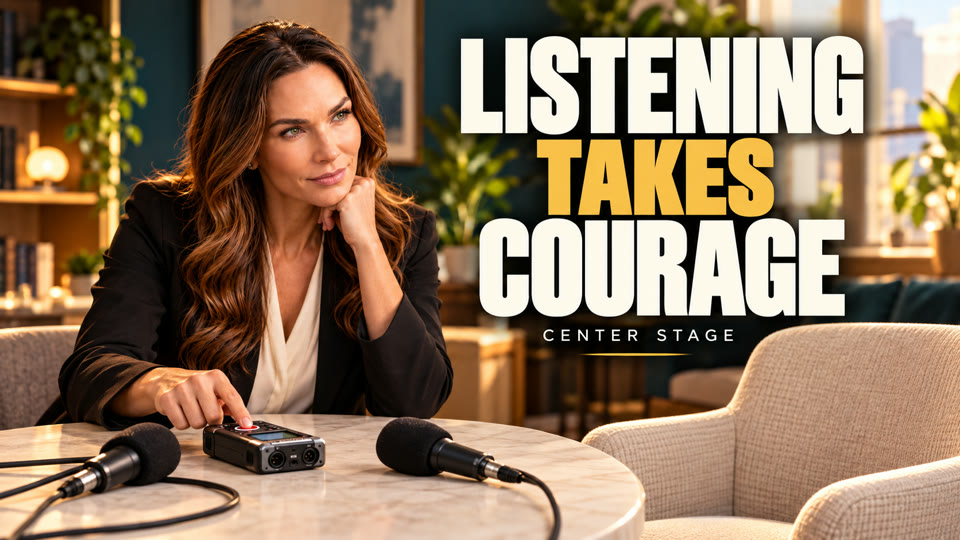
Listening Does Not Mean Staying Silent illustrated story cover
Illustrative artwork · Approved illustrated artwork

LISTENING TAKES COURAGE

Listening Does Not Mean Staying Silent

Keith and Jon expect someone devoted to listening to be quiet. Andrew pushes back on that assumption. He likes to speak, too. Listening gave him a clearer sense of when a response matters and what he actually wants to say. The useful tension in the clip is between making room for somebody else and withholding yourself. Andrew treats those as different things: a conversation can need both attention and an honest voice.

03:57 · Watch this moment ↗
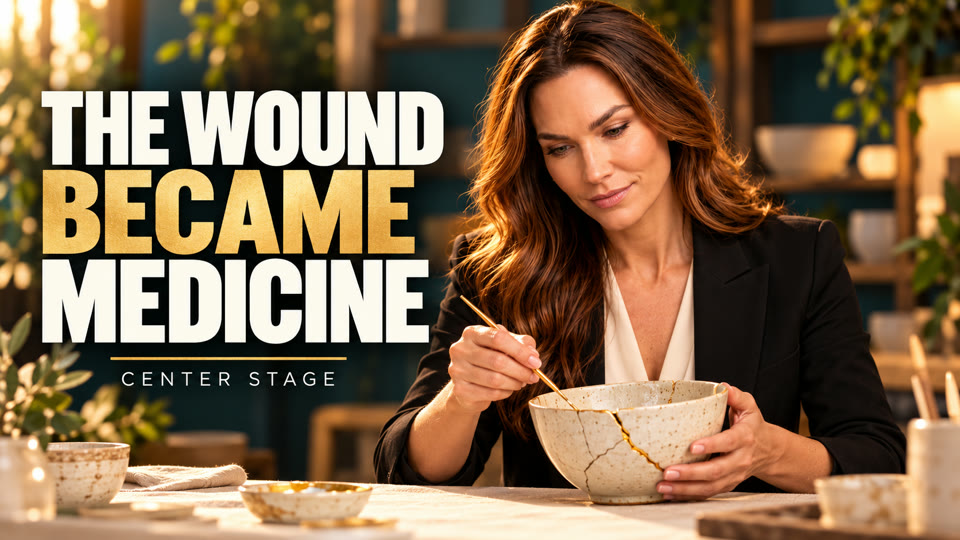

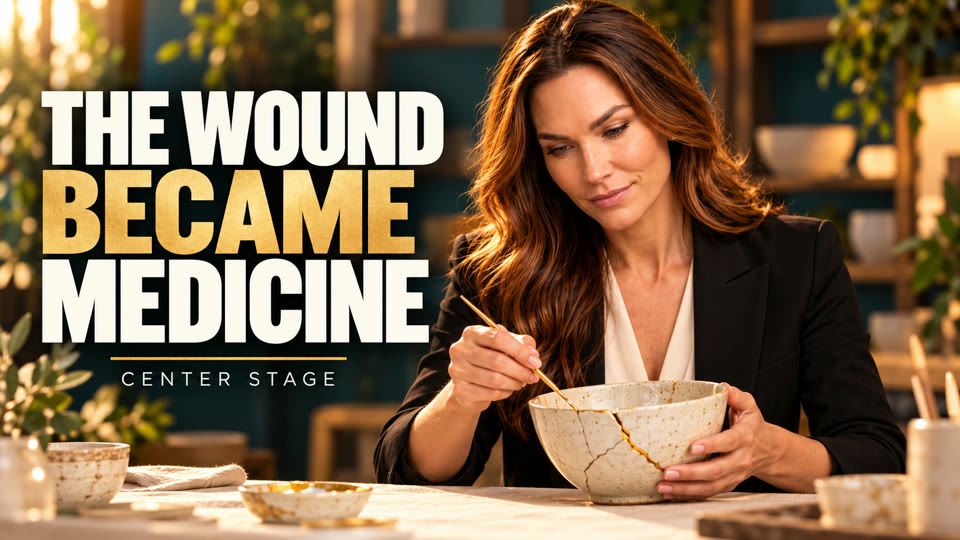
The Wound Became the Medicine illustrated story cover
Illustrative artwork · Approved illustrated artwork

THE WOUND BECAME MEDICINE

The Wound Became the Medicine

Andrew describes his parents' divorce and the hurt in his relationship with his father. He credits his mentor Daryl Slim with the idea of the wound becoming medicine. He does not present himself as finished or claim that suffering automatically improves someone. His emphasis is the healing work: looking at anger and confusion so the same pain does not keep playing out. Keith brings his own experience as a divorced father into the conversation, making the exchange personal rather than a tidy lesson.

13:17 · Watch this moment ↗

More places to begin

A conversation in chapters

Current full-cut coordinates, including the original opener lead-in.

What the conversation brings forward

  • Andrew’s walk began with curiosity about others and became a way to understand himself.
  • Listening and speaking can both have a place in the same conversation.
  • He attributes the wound-as-medicine idea to his mentor.
  • He describes personal growth as ongoing rather than presenting himself as finished.

The Reel Room

Two moments. Full context.

Recorded highlights. The original vertical frame and airtime text promote the recurring show.

LISTENING TAKES COURAGE

Listening Does Not Mean Staying Silent

Keith and Jon expect someone devoted to listening to be quiet. Andrew pushes back on that assumption. He likes to speak, too. Listening gave him a clearer sense of when a response matters and what he actually wants to say. The useful tension in the clip is between making room for somebody else and withholding yourself. Andrew treats those as different things: a conversation can need both attention and an honest voice.

Watch this moment in the full interview using the link below. Native horizontal and vertical downloads are being prepared.

03:57 · Watch this moment ↗

Video downloads

Native highlight downloads are being prepared.

Story covers · horizontal and vertical

Illustrations depict ideas from the conversation, rather than documented photographs of events.

Optional post · Guest may edit

Listening doesn't mean I have nothing to say. I love hearing people's stories. I also have a lot to say. Those things can belong in the same conversation. When I committed to listening first, I began noticing how rarely we really hear each other. We're caught in our own minds, preparing a response or deciding what somebody means before they've finished. For me, listening also asks something of the person doing it: can I share my own honesty? Can I risk saying more of what is actually true about my experience? I talked with Keith and Jon on Center Stage about attention, honesty and why hearing somebody doesn't require disappearing yourself. This clip is one part of that conversation. When do you feel most heard by another person? Watch the moment below.

THE WOUND BECAME MEDICINE

The Wound Became the Medicine

Andrew describes his parents' divorce and the hurt in his relationship with his father. He credits his mentor Daryl Slim with the idea of the wound becoming medicine. He does not present himself as finished or claim that suffering automatically improves someone. His emphasis is the healing work: looking at anger and confusion so the same pain does not keep playing out. Keith brings his own experience as a divorced father into the conversation, making the exchange personal rather than a tidy lesson.

Watch this moment in the full interview using the link below. Native horizontal and vertical downloads are being prepared.

13:17 · Watch this moment ↗

Video downloads

Native highlight downloads are being prepared.

Story covers · horizontal and vertical

Illustrations depict ideas from the conversation, rather than documented photographs of events.

Optional post · Guest may edit

The wound doesn't become useful just because it happened. My parents' divorce and my relationship with my dad left a wound. My mentor Daryl Slim talks about the wound becoming medicine. But I have to do the healing work. For me, that means looking at the anger and confusion so I stop playing out the same pain. I'm more interested in healing than staying caught in that cycle. I care about the ways I've been hurt, and that is part of why I want to face them. I'm not a finished product. The work doesn't end. From where I am now, though, I can feel gratitude for parts of my father that once only felt painful. Keith brought his own experience as a father into this conversation. I'm grateful we had room to speak honestly about it. What has helped you stop repeating an old hurt? Watch this exchange from Center Stage.

The conversation

In their own words

Selected dialogue from the conversation.

“I think I do have a lot to say, but I also love listening”
Andrew Forsthoefel · Short excerpt; original hesitation omitted.
Source cue 112
03:43 · Watch this moment ↗
“But I have to do that healing work.”
Andrew Forsthoefel · His personal response to the wound-as-medicine metaphor.
Source cue 413
13:49 · Watch this moment ↗
“The book's called Walking to Listen”
Andrew Forsthoefel · His memoir traces the outer walk and the inner work.
Source cue 466
15:28 · Watch this moment ↗

One appearance. Full context.

Andrew Forsthoefel with Keith and Jon

Center Stage on Mornings in the Lab · Episode #3146 · Aired 2026-09-30. The air date is separate from a video’s upload date.

The author of Walking to Listen on curiosity, speaking honestly, and the personal work that comes before helping others.

Guest’s official website ↗

Questions and answers

A little more context

Who is Andrew Forsthoefel?

Andrew Forsthoefel is a writer and the author of Walking to Listen. His official biography also identifies him as an ordained interfaith minister and a restorative-practices specialist. In this conversation, he looks back on walking across America, the stories he wanted to hear, and the questions he was trying to answer about his own life. Keith and Jon explore listening, family and the ongoing work behind his perspective.

What does this conversation explore?

The author of Walking to Listen on curiosity, speaking honestly, and the personal work that comes before helping others.

When did this appearance air?

2026-09-30, in episode #3146, with Keith Bilous and Jon Andersen.

Are the clips live?

These are recorded highlights. The vertical frame’s LIVE and airtime text promote the recurring show.

What can I download?

The full interview is available as a low-bandwidth review and a 720p download. All four H/V highlight videos and four dedicated H/V story covers are separately downloadable. Approval states remain individual.

Where can I learn more?

Use the guest’s official sources linked beside the biography.

  • Listening
  • Honesty
  • Fatherhood
  • Repair
  • Personal agency

Optional sharing posts

The full appearance

Complete first-person drafts for the guest to edit. Copying does not publish or send a post.

Optional post · Guest may edit

I thought I was walking to learn about other people. I was also learning about myself. At the start of my walk across America, I was fascinated by the stories people carried. I wanted to ask them what it meant to grow up, to be an adult, to become a man. The encounters mattered. So did the solitude. Together, they became a master class for me. When I wrote Walking to Listen, my editor helped me see that the book needed my own story alongside the stories people had shared. Now I'm writing about becoming a father, the interfaith experience and the restorative work I do in schools. Those are different settings for the same practice: being present and truthful about what is here. Keith and Jon gave me room to connect those parts of my life on Center Stage. What question about your own life have other people's stories helped you understand? Watch the full conversation below.

Keep the conversation going

Share the full conversation.

Native full-interview and highlight downloads are being prepared. The full interview is available on YouTube, and the approved story covers are available above.