← All network guests
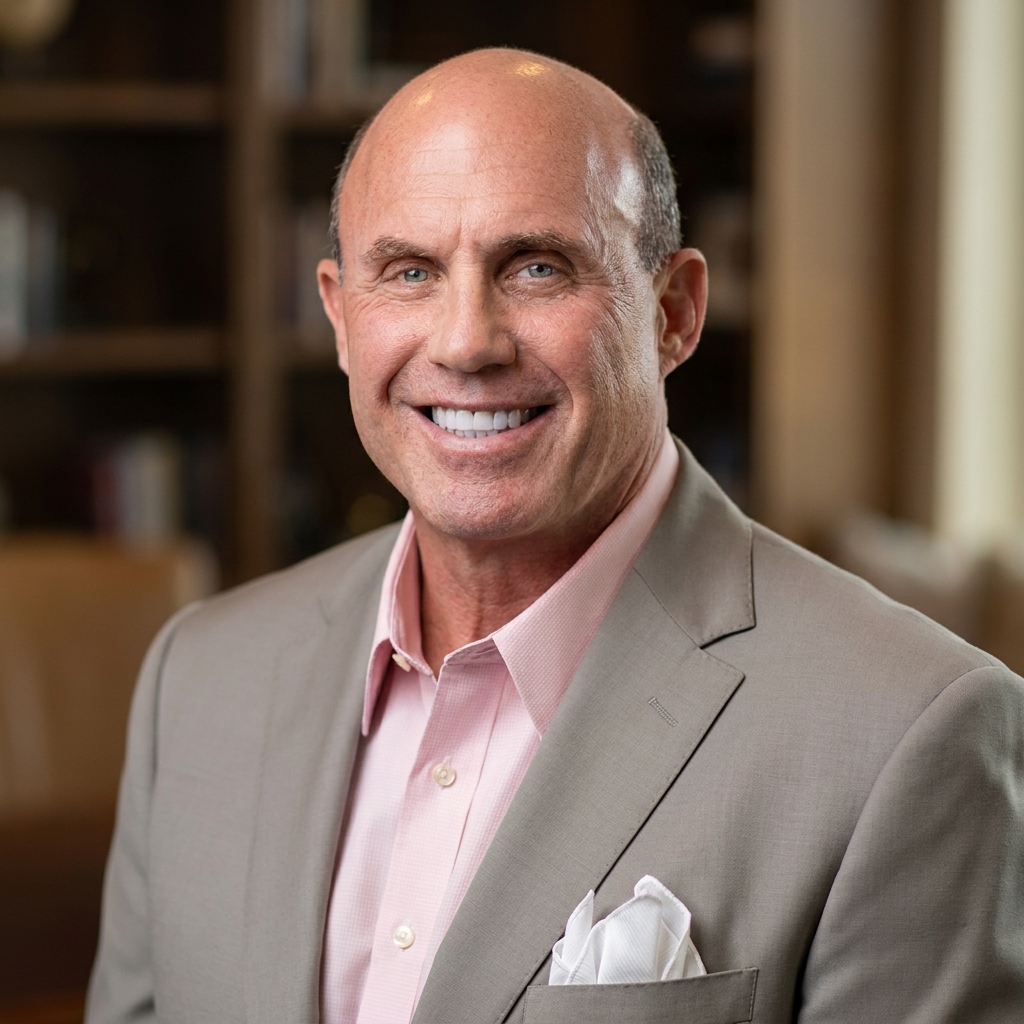
Dave Sanderson
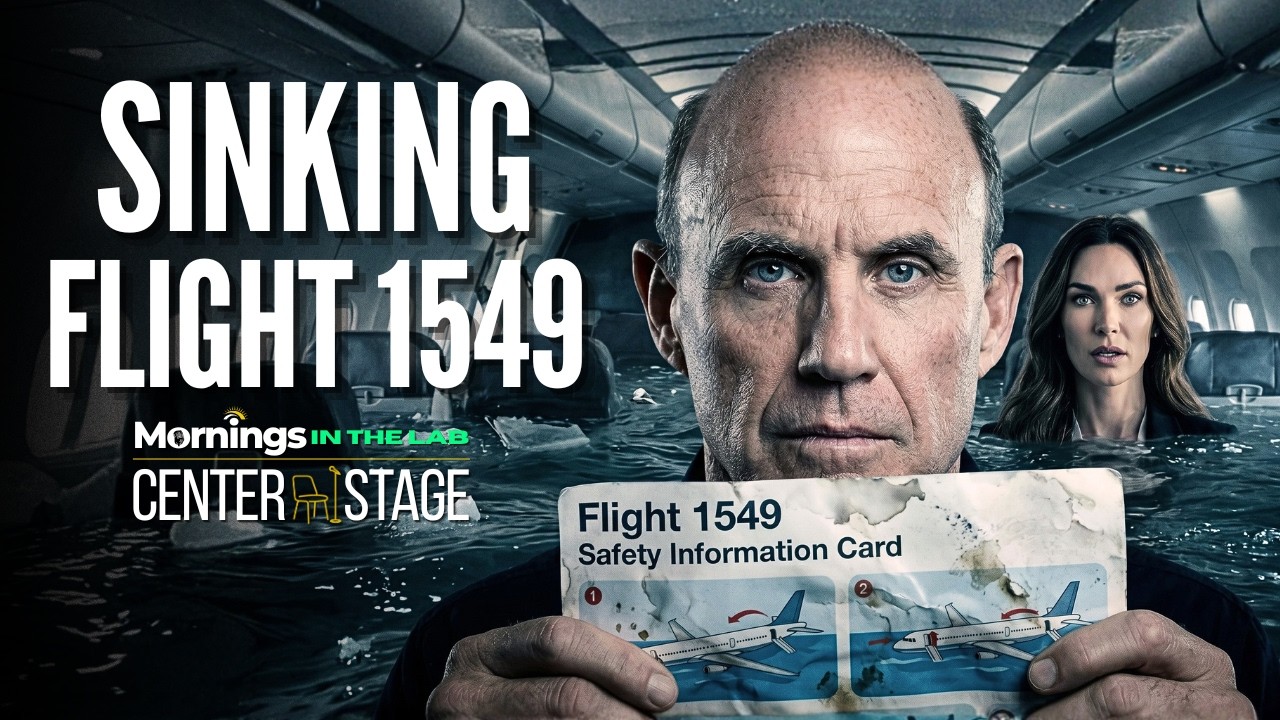
Mornings in the Lab · Center Stage

Dave Sanderson

He Was the Last Person Off the Plane That Crashed Into the Hudson — Then He Got Back on a Plane the Next Morning

Crisis LeadershipPost-Traumatic GrowthDecision Making Under Pressure
Watch the conversation
Watch on YouTube ↗

Questions this episode answers

What did Dave Sanderson focus on as Flight 1549 went down?

Dave Sanderson says he focused on his best next move if the plane survived the landing. He recalls planning to reach the aisle, stand up and get out, rather than trying to resolve everything at once.

Watch this moment →

Why did Dave Sanderson check the back of the plane for passengers?

Sanderson says growing up in a community where people looked after one another shaped his response. After realising he had survived, he went towards the back to see whether anyone else needed help.

Watch this moment →

Why did Dave Sanderson start helping the Red Cross raise money?

Sanderson says a blanket he received after the crash became a symbol of someone being there for him during a crisis. He wanted to give back, and describes a fundraising event in Charlotte leading to opportunities to support other parts of the Red Cross.

Watch this moment →

Summary

Dave Sanderson recounts surviving Flight 1549’s Hudson River landing and separates the captain’s work getting the aircraft down from the team effort needed to evacuate it. He describes thinking through his next move if they survived, then going toward the back of the plane to see who needed help. His account of flying home the next morning includes support from airline staff and a rush of emotion when the captain signaled the altitude where the emergency had begun. Sanderson also explains how receiving a Red Cross blanket became a lasting symbol of care and motivated him to help the organization raise funds.

Key takeaways

  • Sanderson focuses on the next available action under pressure: before the landing, he was planning how to reach the aisle and exit if the plane came down safely.
  • He links checking on other passengers to an upbringing where people looked after one another, and credits evacuation as a collective effort.
  • His return-flight story includes both gratitude and a renewed emotional response, even though he had chosen to board again the following morning.
  • For Sanderson, the blanket represented someone being there during a crisis; his first fundraising effort in Charlotte became a way to return that support through the Red Cross.
  • He describes mentor dinners as a practical way to bring people into direct conversation with experienced leaders, modeled on what an earlier mentor had done for him.
Read the transcript →

Jump into the conversation

Dave Sanderson: Last Off Flight 1549 | The Untold Story of the Miracle on the Hudson
  1. 4:53Thinking about the next move
  2. 6:42Checking whether other passengers needed help
  3. 8:26Returning to the Hudson to face his fears
  4. 11:13His approach to growth after trauma
  5. 16:57Giving back through the Red Cross
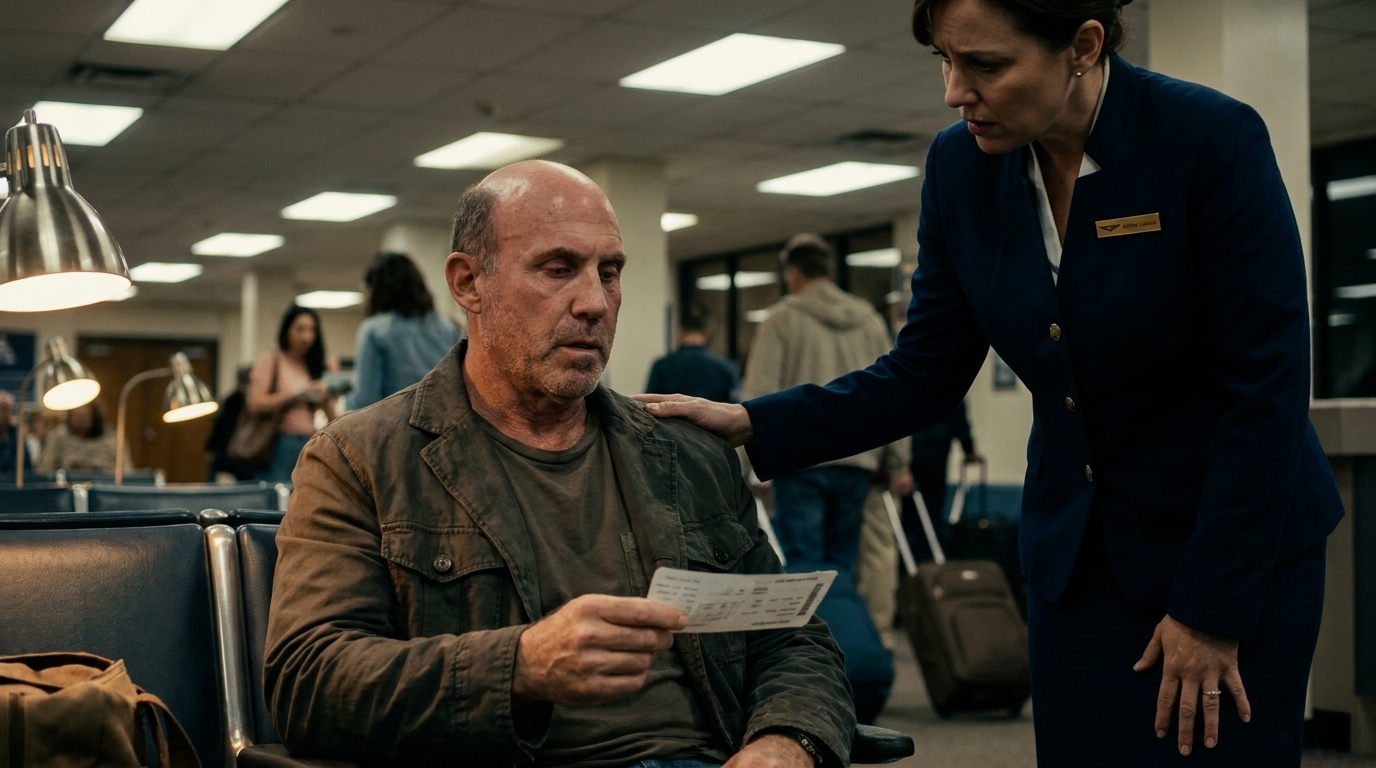
  6. 18:30Memories returning on the flight home
  7. 21:10Reuniting with his family
  8. 29:22Creating mentor dinners

Their story

Dave Sanderson is a crisis leadership expert and keynote speaker who gained international recognition as the last passenger off US Airways Flight 1549, famously known as the "Miracle on the Hudson." After changing to an earlier flight on January 15, 2009, Sanderson found himself in freezing Hudson River water helping fellow passengers evacuate the sinking aircraft, staying inside for approximately seven minutes to ensure others made it to safety.

Read the full guest story

Dave Sanderson is a crisis leadership expert and keynote speaker who gained international recognition as the last passenger off US Airways Flight 1549, famously known as the "Miracle on the Hudson." After changing to an earlier flight on January 15, 2009, Sanderson found himself in freezing Hudson River water helping fellow passengers evacuate the sinking aircraft, staying inside for approximately seven minutes to ensure others made it to safety. With over a decade of experience as head of security for renowned life strategist Tony Robbins, Sanderson brought a unique mindset to the crisis that emphasized response over reaction. His background in state management and decision-making frameworks proved crucial during those life-altering moments. Rather than succumbing to trauma, Sanderson transformed his experience into a mission of service and gratitude. Sanderson has become a leading voice in post-traumatic growth, teaching the distinction between those who grow through trauma versus those who become stuck in it. His "1549 Decision Framework" helps individuals and organizations make critical decisions under extreme pressure. He authored the book "Moments Matter" and delivered a widely-viewed TEDx Talk on post-traumatic growth. Driven by a simple Red Cross blanket he received after the rescue, Sanderson has raised over $14.8 million for the American Red Cross. He continues to speak globally about crisis leadership, resilience, and the power of process-driven thinking. The next morning after the crash, despite having his underwear frozen to his skin and requiring five hours to restore his body temperature, Sanderson got back on an airplane, demonstrating the principles he now teaches about facing fears and moving forward through adversity.
In their own words

DECISION UNDER PRESSURE

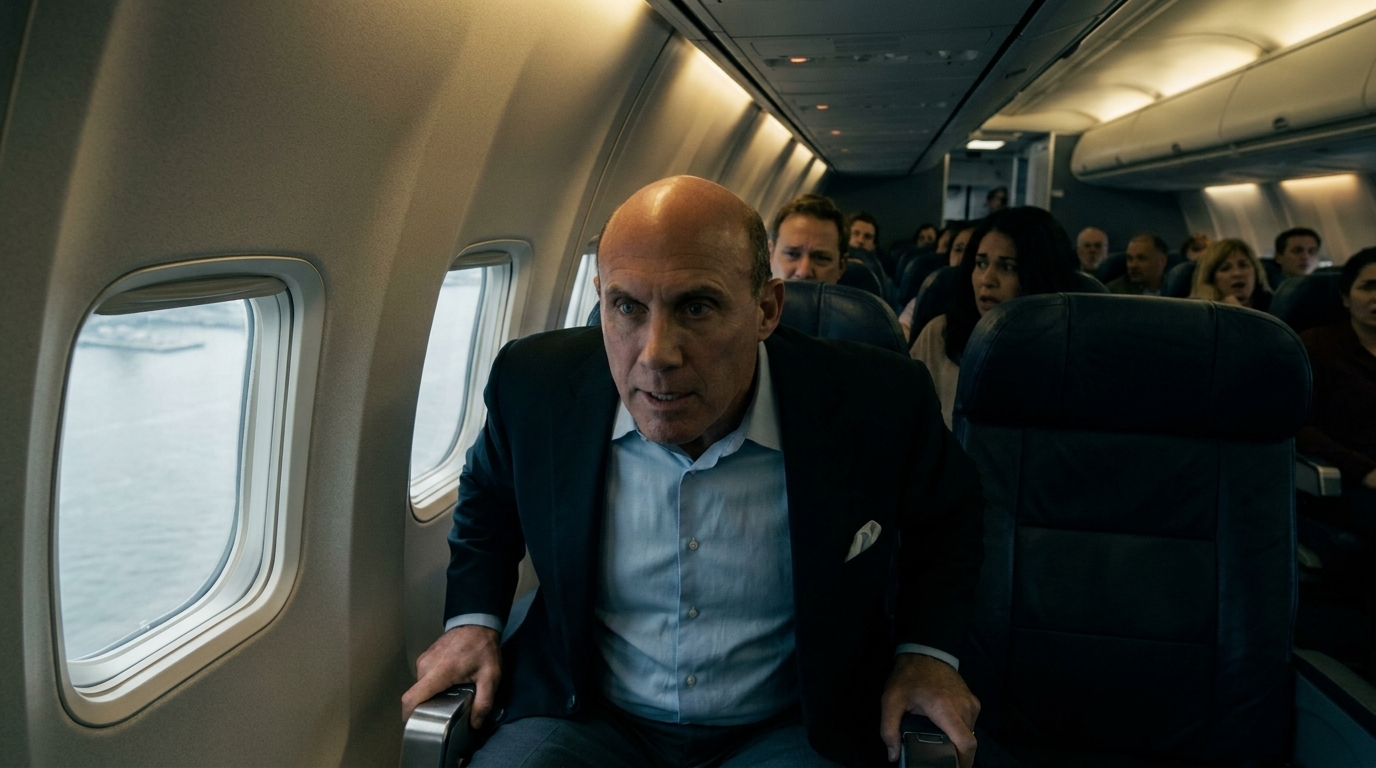
At that point, you don't have time to be scared. You got to start thinking about what's my next play. I talk about all the time, what's my best next move? That's what I was thinking about. So, you know, I I I I had to figure out, hey, if we survive, what am I going to do?

Sanderson describes his immediate mental response when Flight 1549 hit the birds, demonstrating how trained decision-makers shift from emotion to action planning even in life-threatening situations.

MEANING DETERMINES EMOTION

The strategies that I used to grow out instead of going through a depression. And the first thing I had to do is of course change my state, the way I move and my body, but the second thing was the meaning that I attached to it. A lot of people's meaning is our tragedy is devastation. My meaning was it was a blessing.

This insight reveals Sanderson's approach to post-traumatic growth, showing how the meaning we assign to traumatic events directly influences our emotional response and recovery trajectory.

PROCESS SAVES LIVES

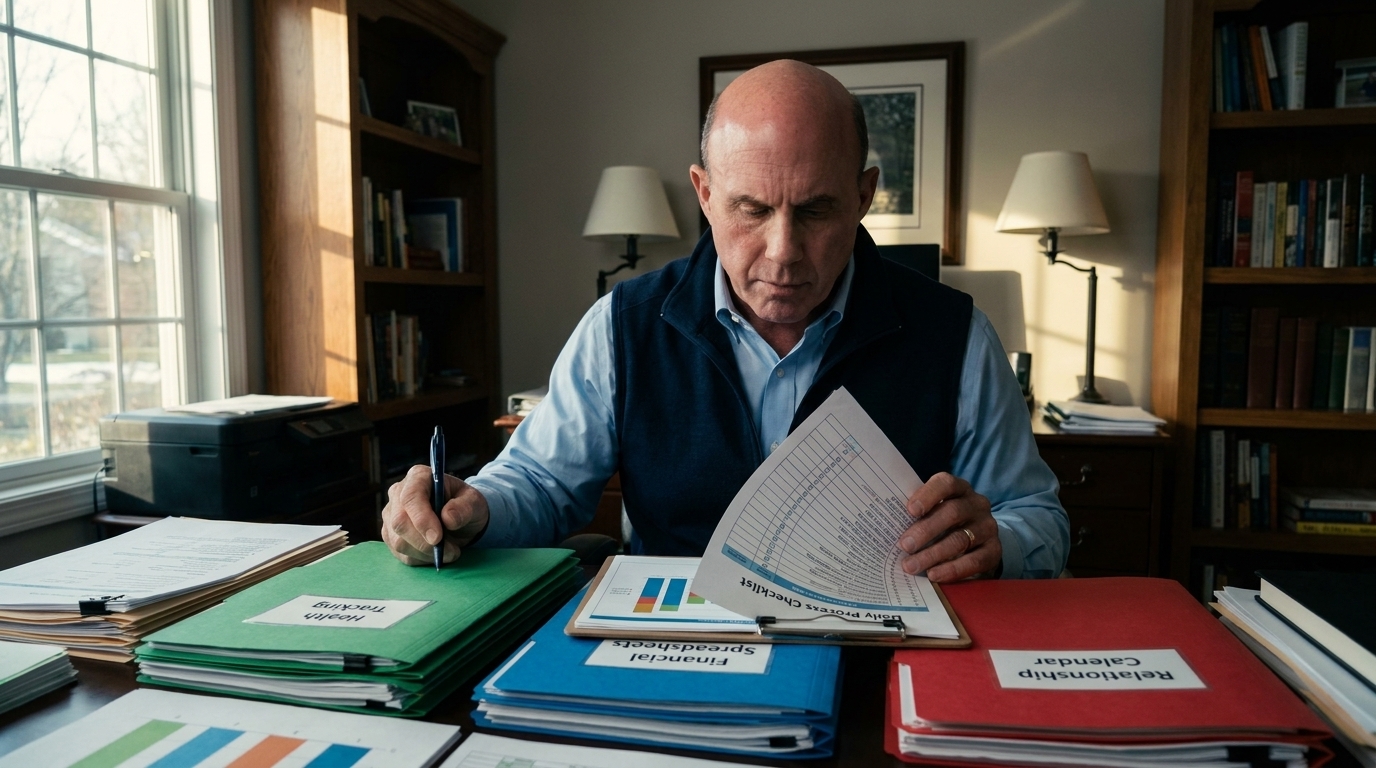
If you don't have a process for your health, you're going to get sick. You don't have a process for your money, you're going broke. You don't have a process for your relationships relationships, you break up. So, I I I'm in alignment with exactly what you said. You better have processes throughout your life and every part of your life.

Sanderson emphasizes how systematic thinking and established processes prepare individuals for crisis moments, drawing from his years with Tony Robbins and business experience.

SERVANT LEADERSHIP

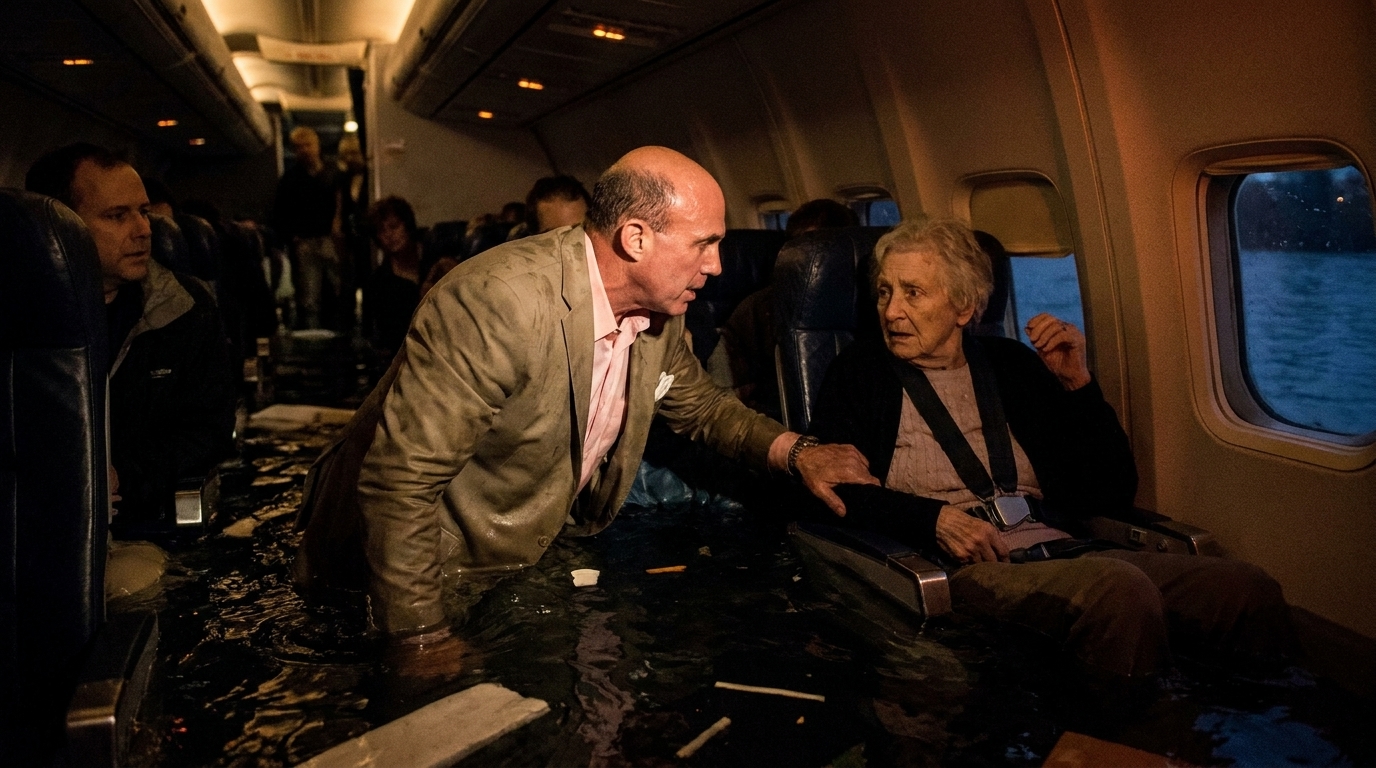
I grew up in a place where everybody took care of everybody. You know, it's a small town outside Cincinnati, where my mindset was, you know, I I I survived. Does anybody else need help? And that's when I climbed to the back of the plane to see if anybody needed help.

This quote illustrates Sanderson's core leadership philosophy and explains why he became the last passenger off the plane, prioritizing others' safety over his own immediate escape.

FACING FEARS HEAD-ON

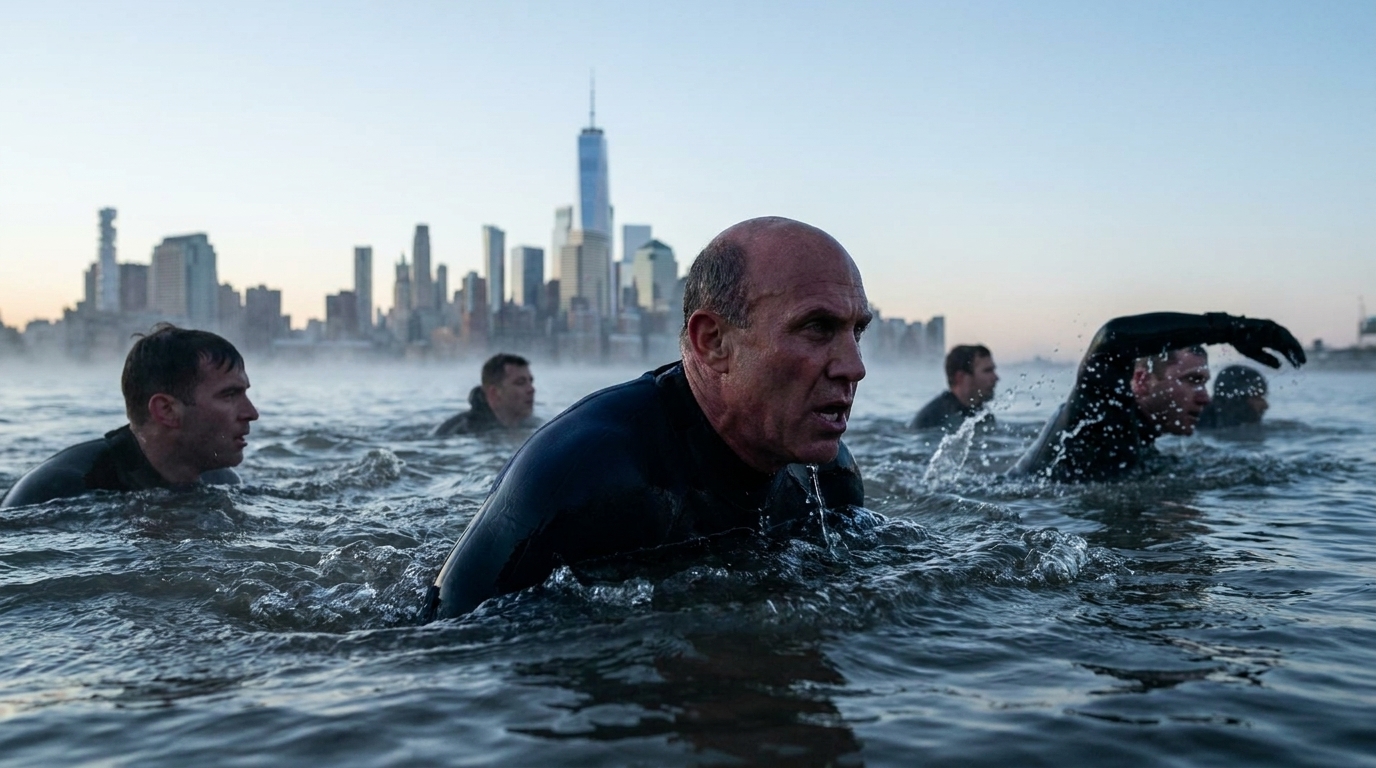
I wanted to raise visibility and money. But the second thing was really for my kids, to show them how to face your fears. You have to get back. You have to do it. And I wanted to show my kids is that, you know, listen, we're all going to go through stuff in our lives, right? No life is ever going to get through to see the sunshine. But you got to step up and face it.

Sanderson explains his decision to swim with Navy SEALs in the Hudson River, demonstrating how leaders use their own fear-facing as a teaching moment for others.

GRATITUDE IN ACTION

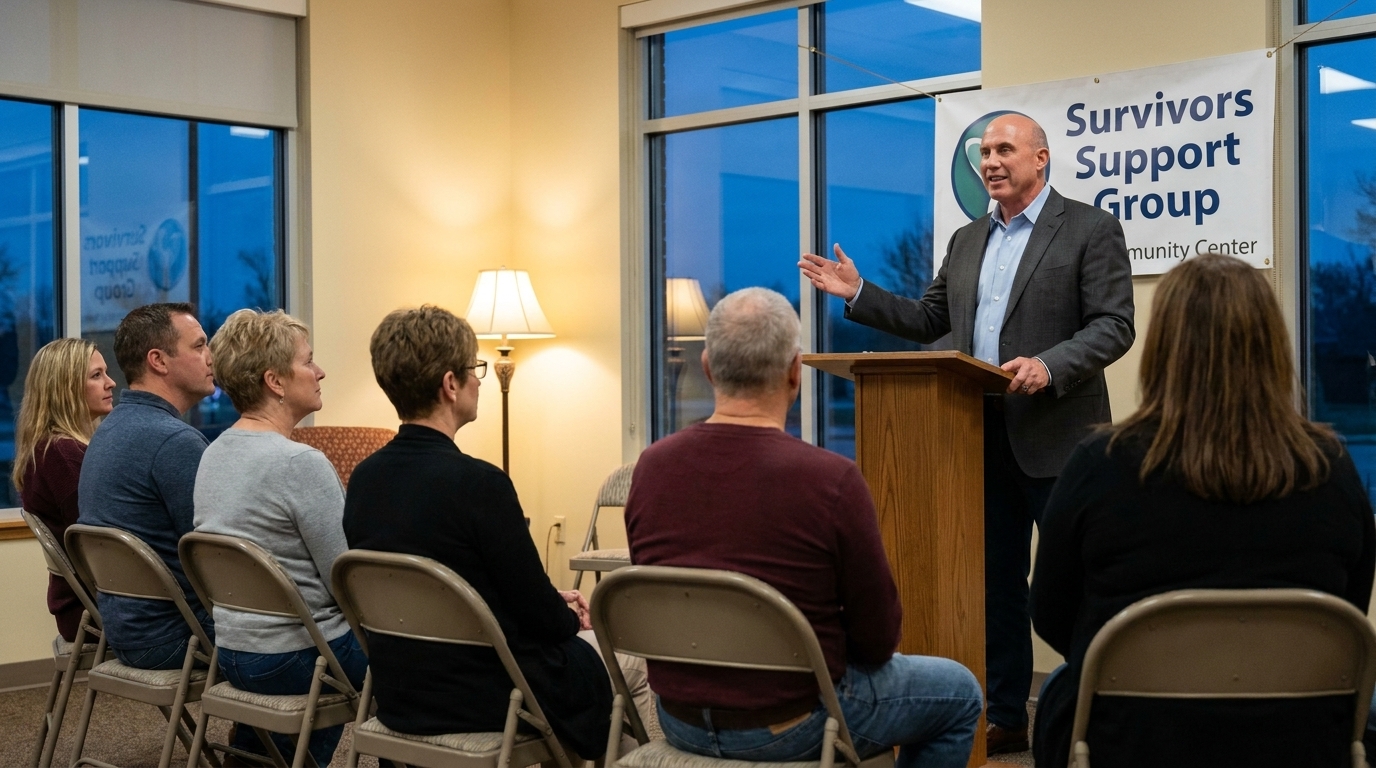
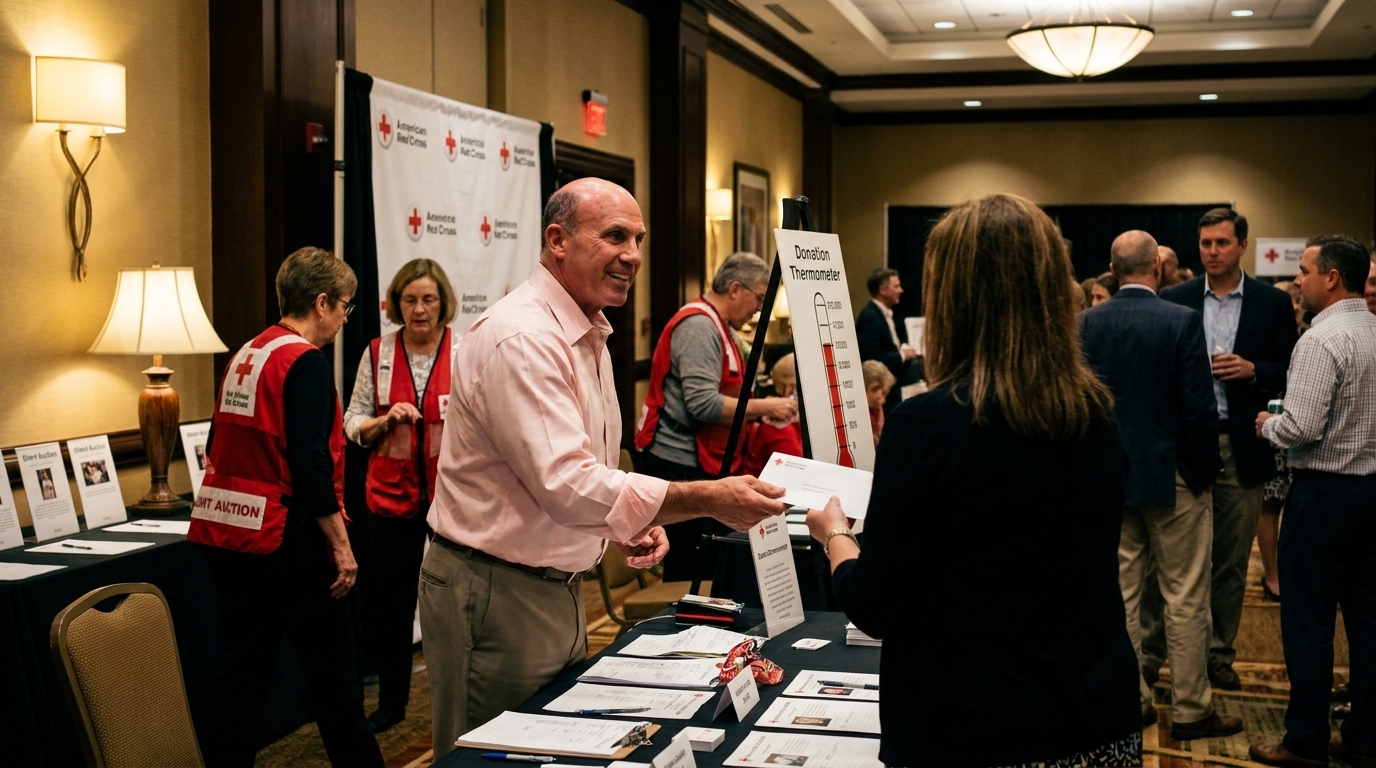
Someone's there when you with you and for you when all steps breaking loose in your life. And so I wanted to give back some way, somehow give back. So I was the first time I did it was in Charlotte. I helped them raise $120,000 here in Charlotte.

The Red Cross blanket became a symbol of care during crisis, inspiring Sanderson's massive fundraising efforts that have now reached $14.8 million for disaster relief.

DIVINE PURPOSE

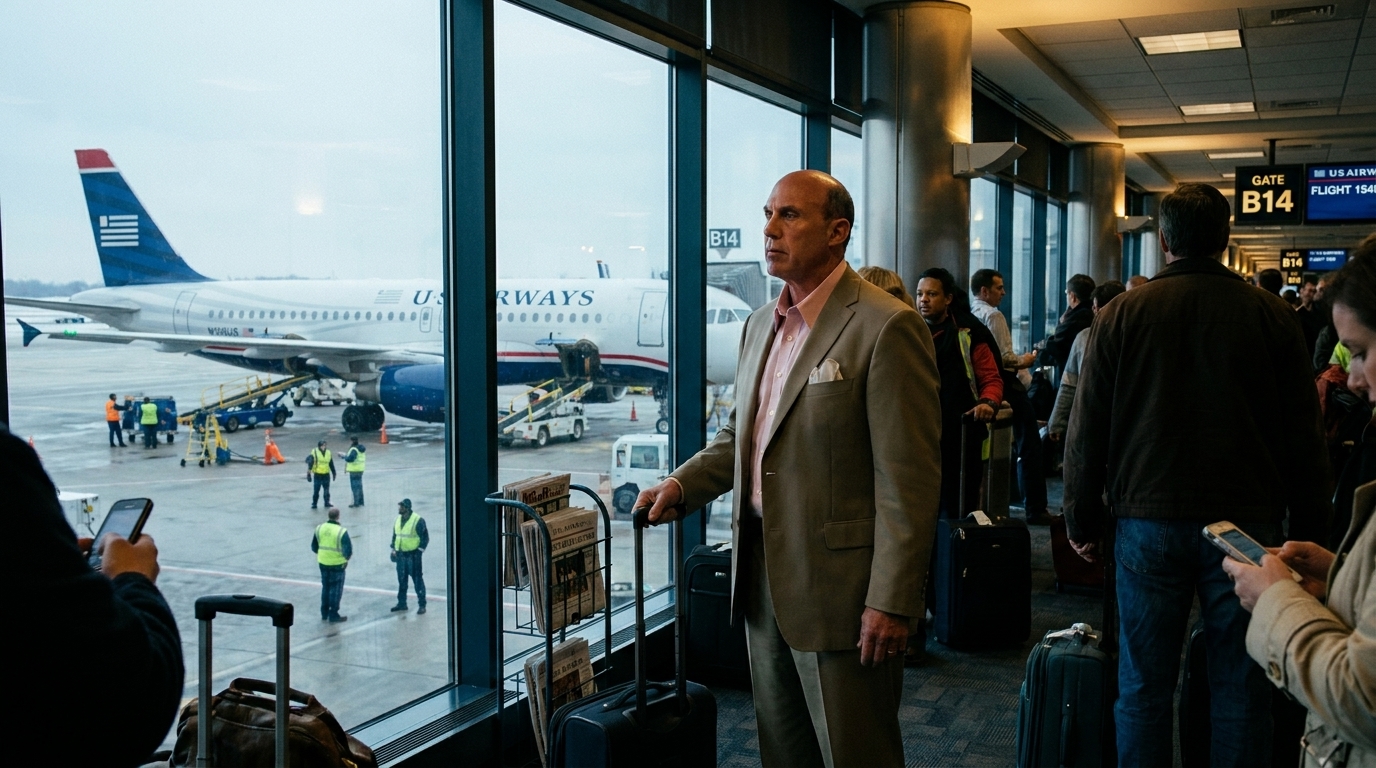
I wasn't supposed to be on that plane. I was scheduled on a 5:00 flight, right? All of a sudden you have the right captain and the right seat at the right time. Yes. There's too many things that have to have had to happen sequentially to make that thing happen.

Sanderson reflects on the series of events that placed him on Flight 1549, including giving up a first-class seat, suggesting a larger purpose behind the experience.

NEXT GENERATION CONCERNS

What worries me is where how my kids' mindsets are going into this world right now cuz they're going through crap that I never had to go through. I mean, I grew up in the '70s, right? Where Vietnam War was the big thing, gas shortages were a big thing. Yes. And now these kids are going through all this other stuff. At least I had parents and grew up in a time where you had to face stuff. These kids have never had to face it.

Despite surviving a plane crash, Sanderson's greatest concern is how younger generations will develop resilience without experiencing the character-building challenges of previous eras.

Appearances & videos

  • Mornings in the Lab · Center StageMay 12, 2026Watch →

From the interview

At that point, you don't have time to be scared. You got to start thinking about what's my next play.
A lot of people's meaning is our tragedy is devastation. My meaning was it was a blessing.
If you don't have a process for your health, you're going to get sick. You don't have a process for your money, you're going broke.
You have to get back. You have to do it. We're all going to go through stuff in our lives, but you got to step up and face it.
Someone's there when you with you and for you when all steps breaking loose in your life.

The guest conversation

Most people don't get a warning before life changes. One normal day becomes the day everything splits in half. Maybe it was a phone call. Maybe it was a hospital room. Maybe it was the moment your plan disappeared. That's when you find out what you actually do under pressure, not what you hope you'd do. Dave Sanderson had that [music] moment after changing to an earlier flight because work finished sooner than expected. He boarded US Airways flight 1549 as a business traveler trying to get home. Then the plane hit the Hudson and the cabin [music] started filling with freezing water. At the exit, Dave heard his late mother's voice. She told him to do the right thing. So, he stayed inside. He helped others move forward while the aircraft kept sinking around him. Dave stood in that [music] water for about 7 minutes becoming the last passenger off what became the miracle on the Hudson. His b…

Read the full transcript →
Guest gallery
SURVIVAL MINDSET
SURVIVAL MINDSET
LEADERSHIP PHILOSOPHY
POST-TRAUMATIC GROWTH
PROCESS-DRIVEN SUCCESS
FACING FEARS
FACING FEARS
MISSION OF GRATITUDE
RESILIENCE IN ACTION
DIVINE PURPOSE
DIVINE PURPOSE
Original headshot ↗

Appeared in