NEXT LIVEMornings in the Lab with Keith, Jon & Friendsin 2h 22m
← All network guests
Mornings in the Lab · Center Stage

Elizabeth Parrish

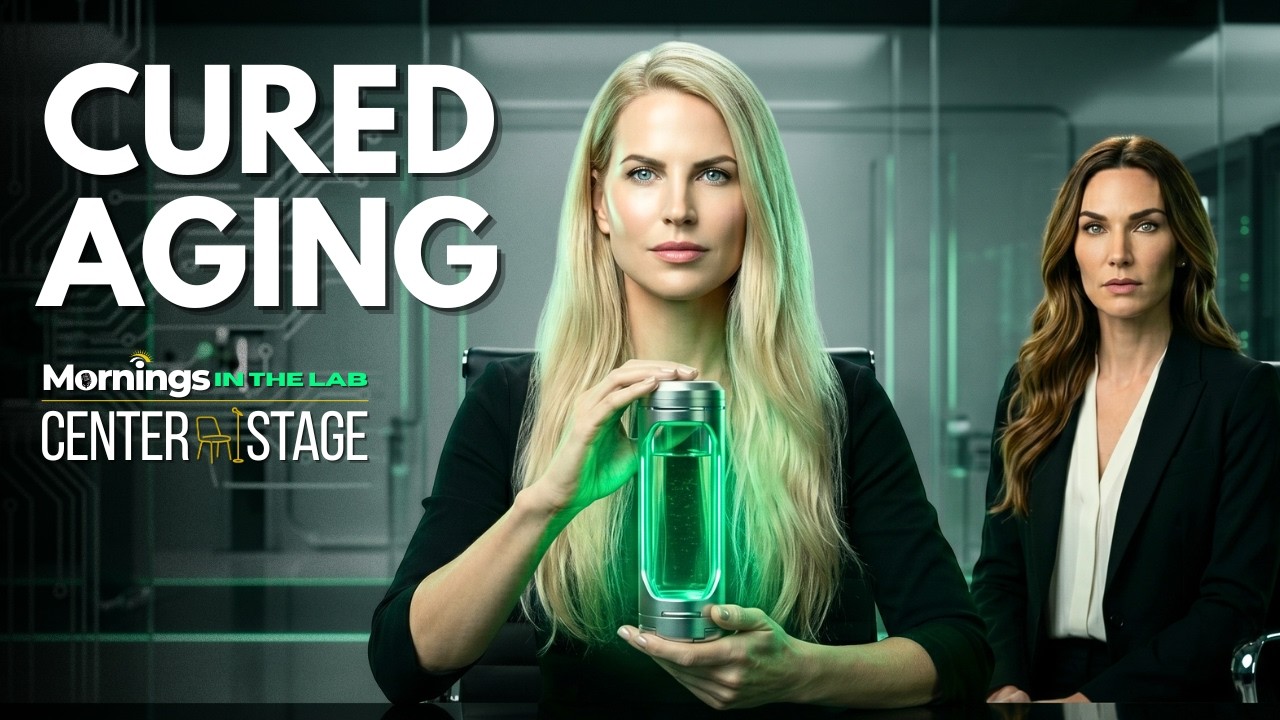
Elizabeth Parrish discusses her personal experiment with telomerase gene therapy and the laboratory measurements she uses to assess changes afterward.

Experimental gene therapy
Watch the conversation
Watch on YouTube ↗

Questions this episode answers

What does Elizabeth Parrish’s telomere testing actually measure?

Parrish says the testing she describes focuses on T lymphocytes rather than every cell in her body. She reports using three laboratories to follow changes after her personal gene-therapy experiment.

Read this moment in the transcript →

Why does Elizabeth Parrish emphasise data alongside how a treatment feels?

Parrish says experimental treatment can produce many feelings, including excitement or worry. She argues that measurements remain important alongside whether a person feels or performs better.

Read this moment in the transcript →

Does Elizabeth Parrish describe these gene therapies as established, affordable treatment?

Parrish explicitly describes the medicine under discussion as experimental. She also says cost remains prohibitive, even when discussing ways that licensing partners try to reduce it.

Read this moment in the transcript →

Summary

Elizabeth Parrish discusses her personal experiment with telomerase gene therapy and the laboratory measurements she uses to assess changes afterward. She emphasizes measured data alongside how someone feels, while explaining that different biological-age markers can give different results. She acknowledges that the therapies discussed are experimental and expensive, and describes efforts involving licensing partners and nonprofits to broaden access. She identifies her son’s type 1 diabetes as a motivation for her work and describes the time needed to assemble doctors, research centers and manufacturing partners.

Key takeaways

  • Parrish distinguishes feeling better from assessing an experimental therapy with data, saying both fast-changing metabolic measures and longer-term markers matter in her work.
  • Her account of telomere testing is limited to T lymphocytes rather than every cell in her body, a qualification she makes when describing the changes she reports.
  • She says biological age depends on the marker being used and expresses reservations about treating current age markers as a complete picture of future health.
  • Parrish frames wider access as work still requiring scale and funding, describing nonprofit-supported treatment efforts while acknowledging the therapies’ high cost and experimental status.
Read the transcript →

Jump into the conversation

Over 40 and Losing Strength? Liz Parrish, Gene Therapy's Patient Zero
  1. 2:21Her personal gene-therapy experiment
  2. 8:33What the telomere tests measure
  3. 10:57Data and personal experience
  4. 14:09Cost and experimental status
  5. 18:52Different biological-age markers
  6. 20:36Access, scale and funding
  7. 25:47Research and longevity influencers
  8. 27:25Her son and the motivation for her work

Their story

Elizabeth Parrish joined Mornings in the Lab for Center Stage on 2026-02-11.

Appearances & videos

  • Mornings in the Lab · Center StageFebruary 11, 2026Watch →

The guest conversation

[00:01:27] Keith Bilous: Johnny, that's where I eggs the conversation. And you can have it with her because I'm not into that one. Not for cosmetic reasons, not because she was sick, but because she decided that aging itself is a disease and she was gonna be the Guinea pig to prove it. Sophia, let's bring her up. Elizabeth Parish into the lab with Keith and John. [00:01:46] Liz Parrish: How's it thing? Good morning from Seattle. [00:01:48] Keith Bilous: How are you today? [00:01:49] Liz Parrish: Good. Good, good, good. [00:01:51] Keith Bilous: So hold on. You get on the airplane, you don't tell the husband and kids you're going to Columbia to get some needles stabbed in your body. i I don't care about anything else other than How did that conversation go when you got home? [00:02:03] Liz Parrish: Well, I guess that's a, that's a funny part of the conversation. Well, when I got home,…

Read the full transcript →
Appeared in