← All network guests
Matthew Lancor
Mornings in the Lab · Center Stage

Matthew Lancor

Founder & CEO, Kombuchade

Watch the conversation
Watch on YouTube ↗

Questions this episode answers

How does Matt Lancor describe the risk of starting a business?

Matt Lancor describes starting his company as a sequence of calculated risks rather than one sudden leap. He connects it to earlier interests in entrepreneurship, product development and the commercial side of engineering.

Read this moment in the transcript →

How did Matt Lancor begin making kombucha?

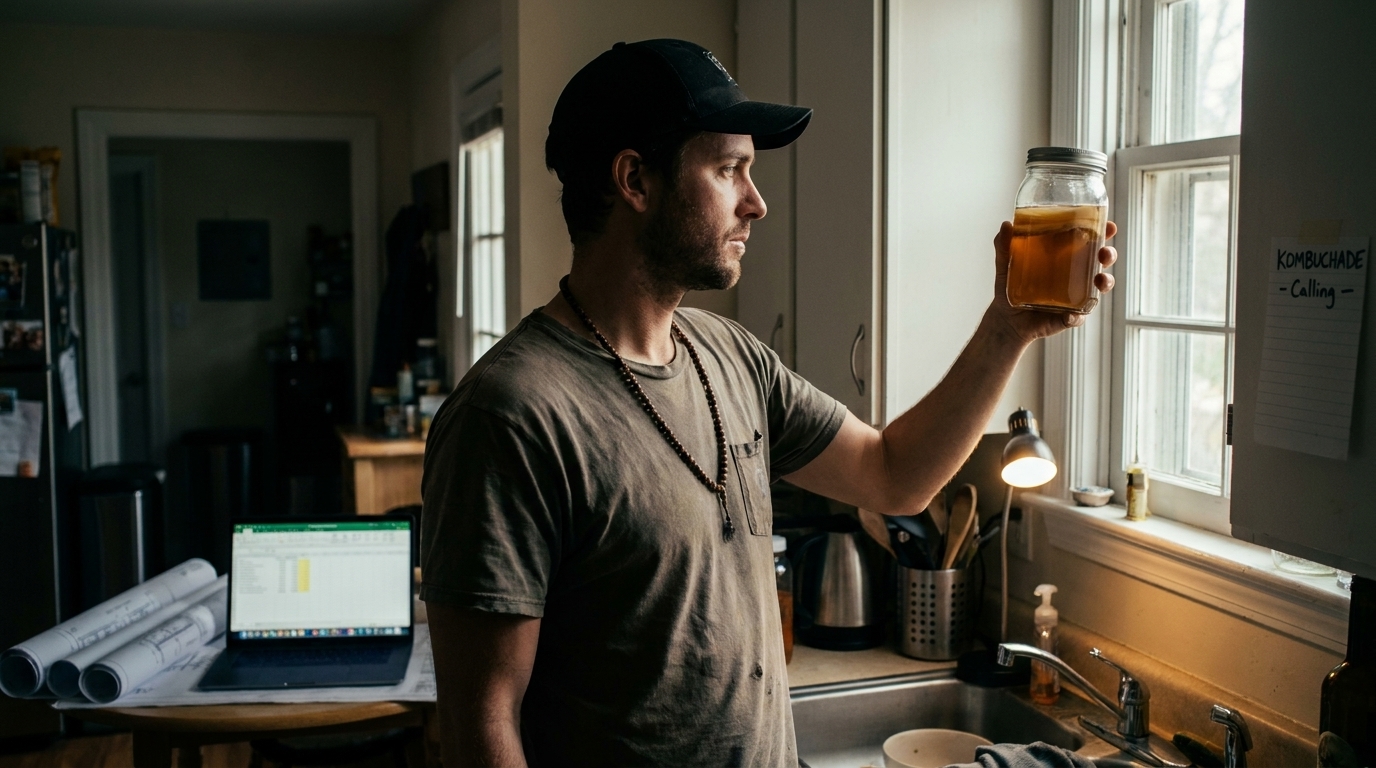
Lancor says working at a brewery helped him imagine a production operation focused on a different kind of drink. He began with a home-brewing kit and a few gallons, then continued one step at a time.

Read this moment in the transcript →

Why did Matt Lancor talk publicly about his divorce?

Lancor says it had been easy to focus interviews on what was going well while ignoring what was actually happening in his life. He describes discussing divorce and moving back in with his parents as an acknowledgement that other people also go through difficult periods.

Read this moment in the transcript →

Summary

Matt Lancor describes his path from engineering to a kombucha business for athletes as a series of calculated risks shaped by longstanding interests in entrepreneurship and product development. A visit to a brewery helped him imagine a production facility of his own, and he began with a home-brewing kit. He also speaks openly about divorce and returning to live with his parents, challenging his own habit of talking only about success. Gut health and athletic performance are central to his product vision, which he presents as rooted in his own experience with fermented tea.

Key takeaways

  • Lancor’s account of starting a company includes childhood work, entrepreneurship courses and an interest in how engineering ideas become products.
  • His first practical step after envisioning a facility was buying a home-brewing kit and making a few gallons at home.
  • He says quiet time in nature and journaling help him reconnect with the vision behind his work.
  • He explains why he chose to discuss his divorce instead of limiting the interview to things that were going well.
Read the transcript →

Jump into the conversation

Matt Lancor: He Left a $150K Engineering Career to Brew Kombucha in His Mom's Kitchen
  1. 00:00Introduction
  2. 00:30Matt's engineering background and career pivot
  3. 01:30The processed food industry wake-up call
  4. 03:00Brewing the first batch of Kombuchade
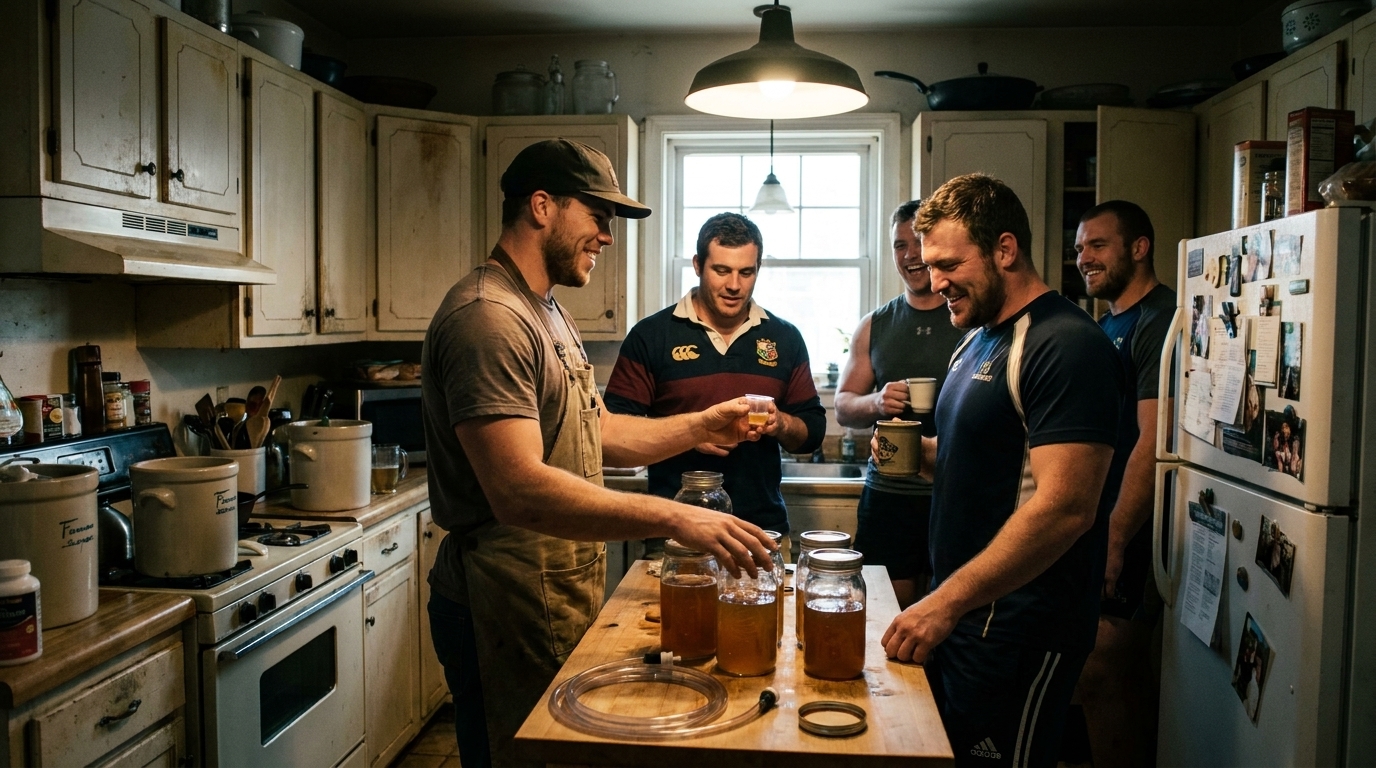
  5. 04:30Convincing rugby teammates to drink kombucha
  6. 06:00The science of gut health and your immune system
  7. 08:00How kombucha affects serotonin and mental health
  8. 10:00Building a brand from your mom's kitchen
  9. 12:00CrossFit, martial arts, and athlete endorsements
  10. 14:00Scaling from home brew to commercial production
  11. 16:00The $100M revenue goal by 2035
  12. 18:00Opening up about divorce and vulnerability
  13. 19:30Lessons on resilience from rugby
  14. 20:30Advice for men rebuilding their lives
  15. 21:00Where to find Kombuchade

Their story

Matt Lancor was on the rugby field in Seattle — playing in the USA Rugby National Championships in 2014 — when he picked up a bottle of GT's Kombucha from a grocery end-cap and felt something that would quietly change his life. Not immediately. Not even that weekend, exactly. But the morning of competition, after drinking three bottles across the tournament, he woke up and had, as he would later describe it, the perfect pregame poop. For an athlete whose gut had been quietly misbehaving under the stress of elite competition, the normalcy of that morning was a revelation.

Read the full guest story

Matt Lancor was on the rugby field in Seattle — playing in the USA Rugby National Championships in 2014 — when he picked up a bottle of GT's Kombucha from a grocery end-cap and felt something that would quietly change his life. Not immediately. Not even that weekend, exactly. But the morning of competition, after drinking three bottles across the tournament, he woke up and had, as he would later describe it, the perfect pregame poop. For an athlete whose gut had been quietly misbehaving under the stress of elite competition, the normalcy of that morning was a revelation. Matt Lancor studied material science engineering at the University of Illinois, where his analytical training gave him a framework for understanding the structural properties of natural ingredients that most people in the kombucha space simply did not have. Before founding Kombuchade, he worked as a technical sales engineer for a German industrial automation company, visiting manufacturing plants across the automotive, food and beverage, and pharmaceutical industries — designing applications that helped companies save time through automated production. What he saw inside those processed food plants horrified him: the distance between what Americans were eating and what human bodies were designed to process. The turning point came at a beer brewery, where he was working on an engineering project and felt what he later described as a spiritual conviction — an overwhelming sense that he was supposed to build something for people, not for machines. Something that addressed the gut health crisis he was watching unfold in American food culture. Something that bridged the ancient tradition of fermented foods with the performance demands of athletes. He walked away from his six-figure engineering career, moved back into his mother's house in 2014, and started brewing. The brand he built is called Kombuchade — a name that signals both its kombucha roots and its athletic orientation, referencing Gatorade's category position as an active-hydration beverage. From the beginning, Matt designed Kombuchade differently from the oversweetened, highly carbonated kombucha products filling store shelves. He pursued a smoother, less carbonated formula with functional herbs and teas — later adding mineral elements including kosher Celtic sea salt for electrolyte support — specifically engineered for the gut-health needs of athletes who drink it on a Monday, Wednesday, Friday schedule leading up to a Saturday match. His first customers were his rugby teammates. Then athletes in CrossFit and martial arts found it. Then Kombuchade found its way into workplaces and offices in Chicago. Today, Kombuchade self-manufactures in Chicago — in its own licensed wholesale food establishment — using the same SCOBY (Symbiotic Culture of Bacteria and Yeast) Matt started with in 2014. His mission: help 100,000 people take their first step toward balancing their gut health, with a revenue target of $100 million by 2035. Matt holds certifications as a Nutritional Therapist (The Health Sciences Academy), a Blue Belt in Brazilian Jiu-Jitsu, a Reiki Master Teacher, and a Tier 1 Kombucha Brewer through the Kombucha Brewers International. He appeared on the Center Stage segment of Mornings in the Lab to discuss the connection between gut health, athletic performance, and what most men get wrong when they treat their gut like a side quest.
In their own words

Gut health as the hidden variable in athletic performance

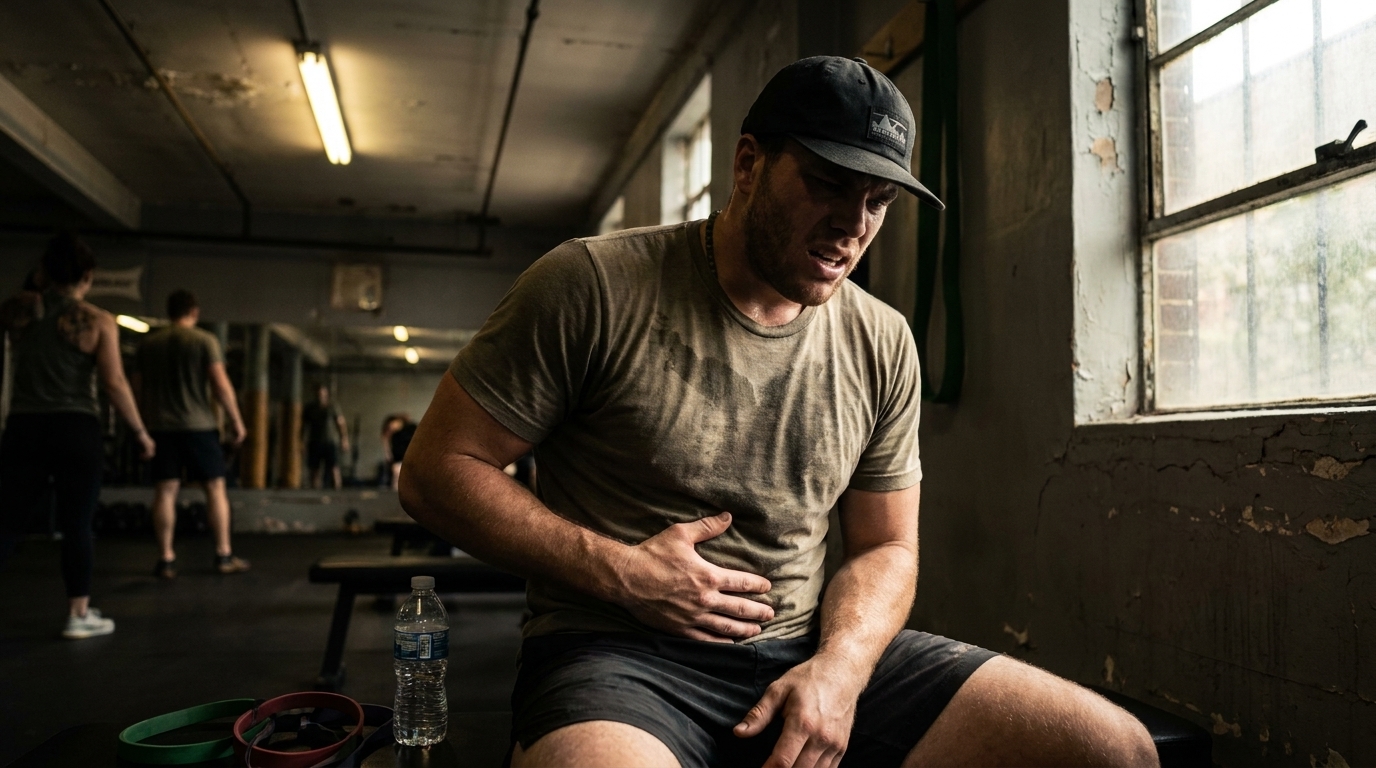
If you train hard but still feel puffy, tired, and stuck — it's not always willpower. Sometimes it's your gut waving a red flag.

The opening frame of Matt's story reframes what most people attribute to discipline failures (feeling puffy, tired, stuck) as a gut health problem. This reframe is both scientifically grounded and commercially powerful — it identifies a real but under-recognized root cause and positions Kombuchade as the solution.

Inside the food manufacturing system: what Matt saw

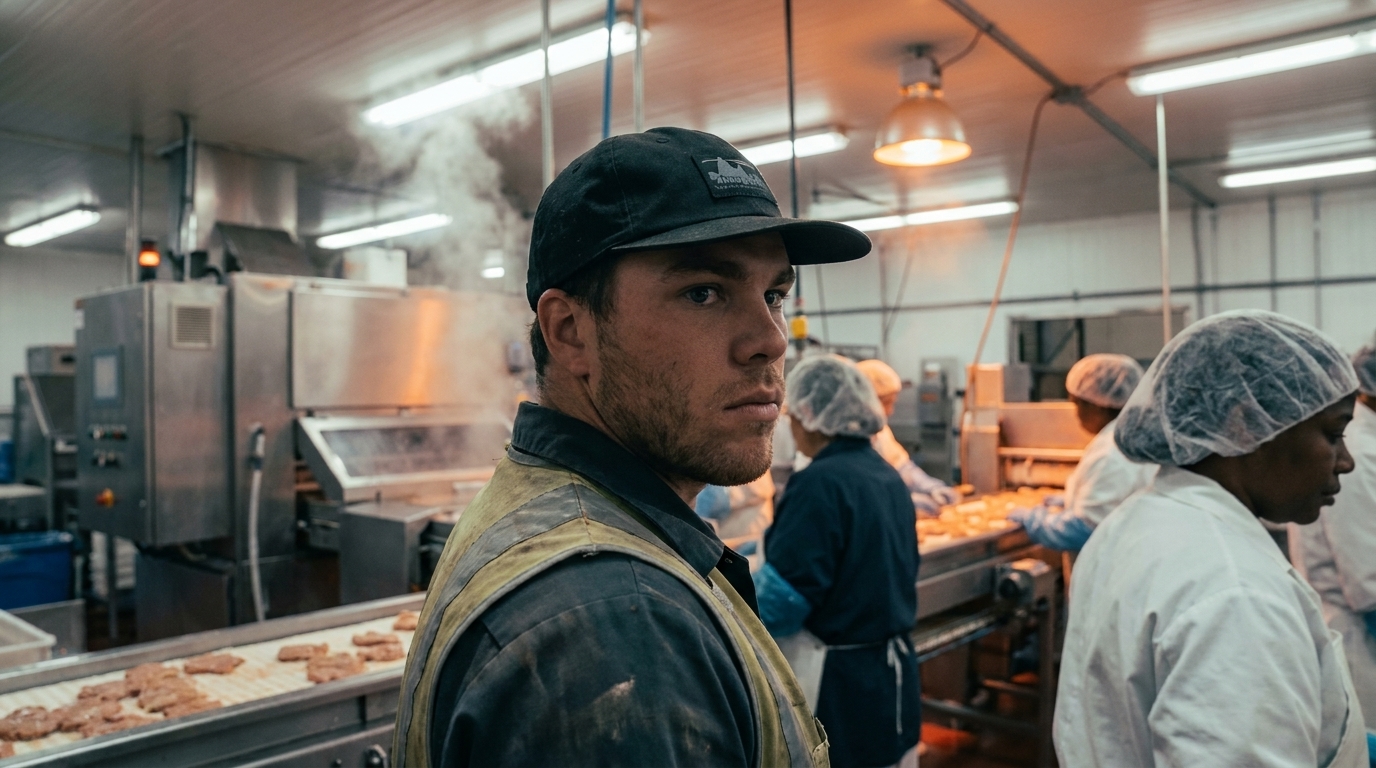
I quit my six-figure engineering job after witnessing the horrors of processed food manufacturing plants here in our country.

Matt's departure from his engineering career was not impulsive — it was the product of firsthand exposure to the systems producing food Americans eat daily. His engineering access to food plants gave him information that most consumers and even most entrepreneurs in the wellness space never see.

Calling vs. career: the spiritual conviction behind Kombuchade

He felt a spiritual conviction to build a kombucha facility for active people. It was so strong that Matt walked away from a six-figure engineering career.

The characterization of Matt's decision as a spiritual conviction — not just a business opportunity — signals that Kombuchade was not built purely from market analysis. It was built from a sense of calling, which is why Matt has sustained it through years of financial difficulty, starting at his mother's house and delivering product in a Volkswagen Jetta.

From mom's kitchen to Chicago manufacturing

In 2014, he was back at his mom's house brewing kombuchade. He convinced his rugby teammates to be the first customers.

The origin story is elemental: a person with deep knowledge and conviction, a mother's kitchen, and the trust of people who knew him. Every large business that starts small has a version of this moment. Matt's is particularly clean because his first customers were also his community.

Product integrity: ten years, one SCOBY

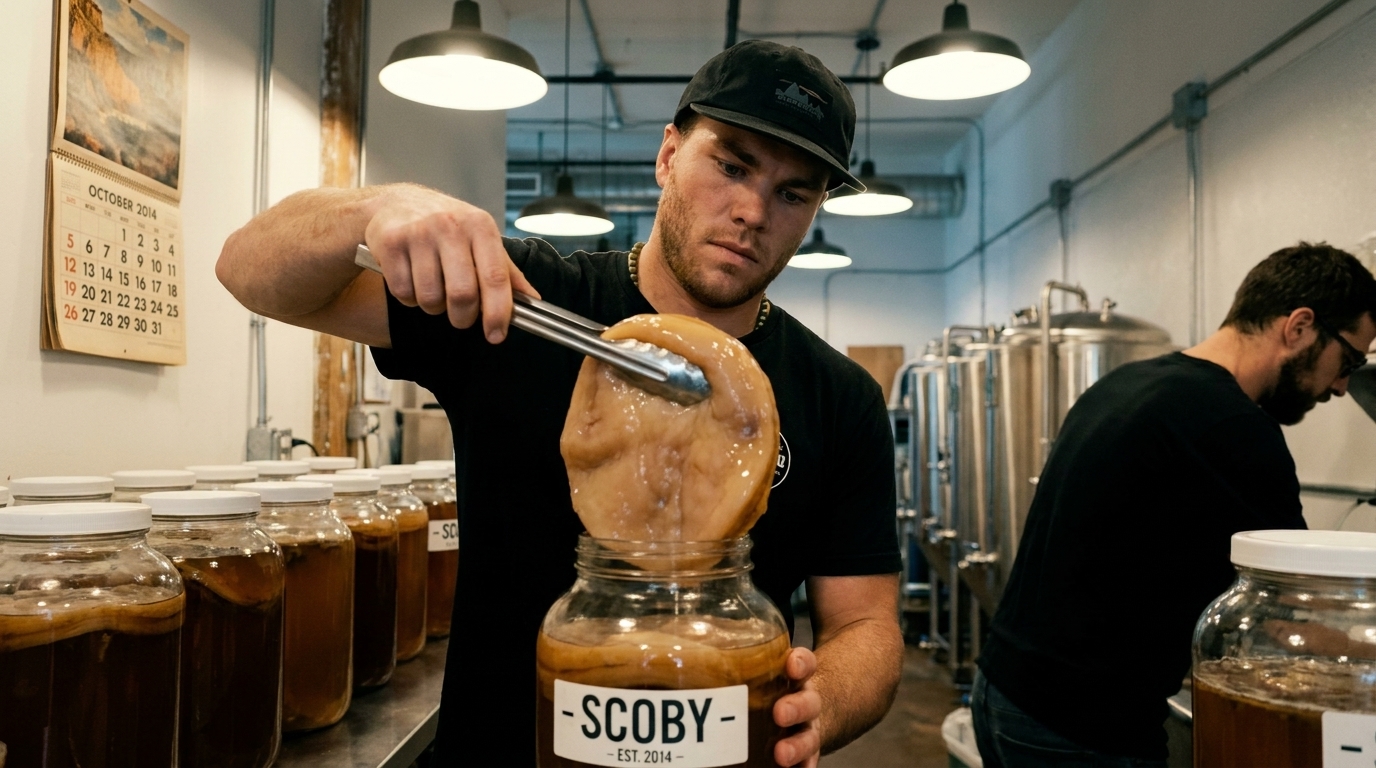
Today, Kombuchade self-manufactures in Chicago using the same SCOBY Matt started with in 2014.

The same SCOBY — the living culture of bacteria and yeast that drives fermentation — has been in continuous use since the beginning. This is not a romantic detail: it is a product integrity story. The living organism at the center of Kombuchade is a direct biological continuation of where the company started.

The 100,000-person gut health mission

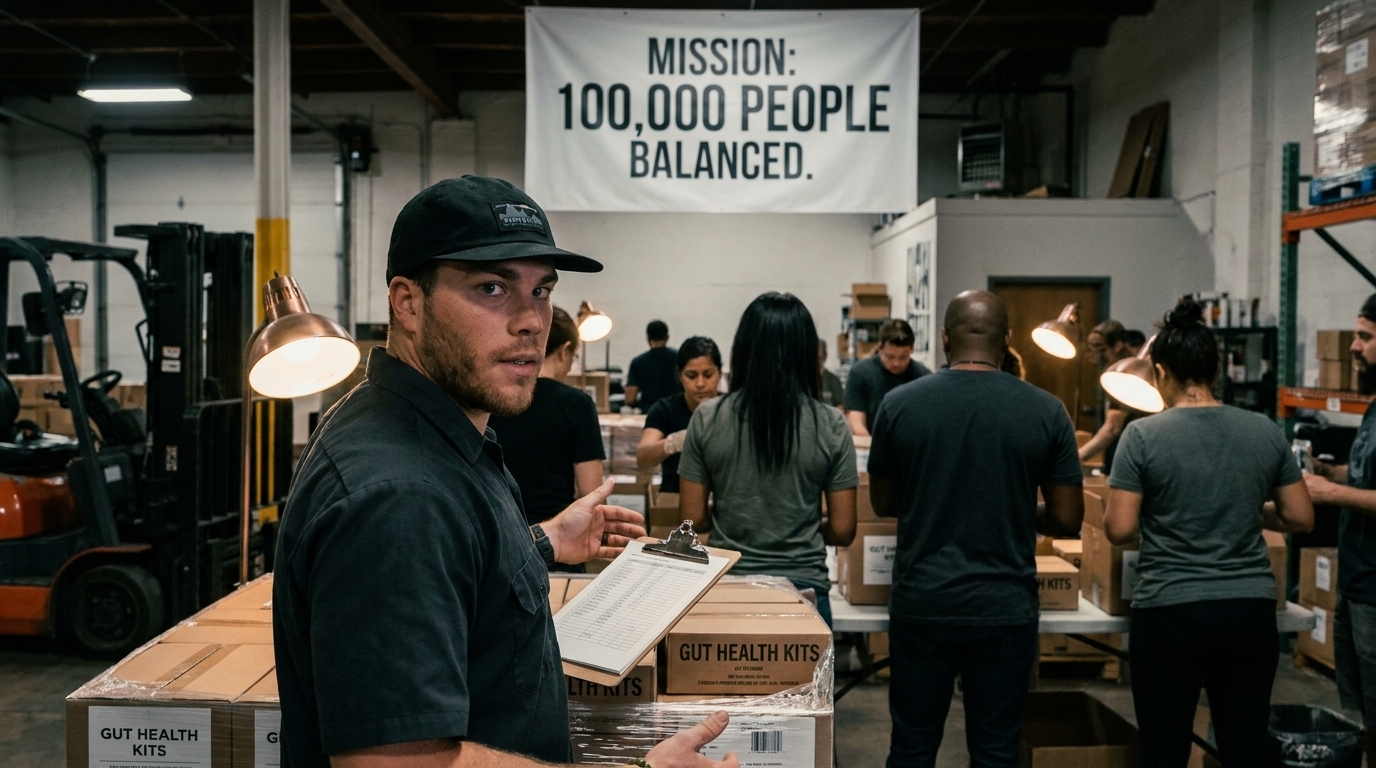
His mission is helping 100,000 people balance gut health.

Matt's stated mission is a specific number applied to a specific outcome — a characteristic precision that reflects his engineering background. He is not just 'improving health' in the abstract; he has set a target and built a company designed to reach it.

Designing the athlete-oriented kombucha gap

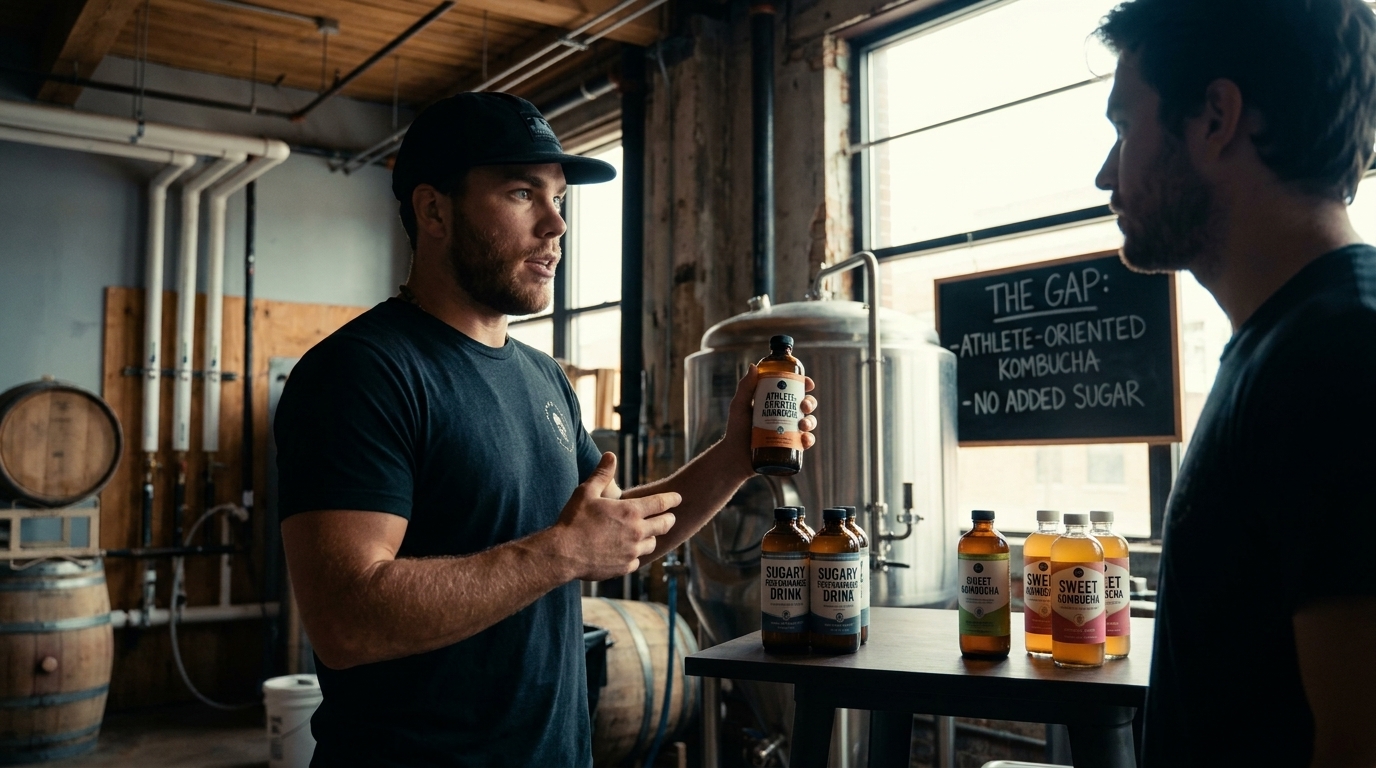
I wanted to make something that was closer to a Gatorade version of kombucha — but without the added sugar.

Matt's product design philosophy is perfectly articulated in this sentence. He saw a gap between performance drinks (which are sugary and artificial) and existing kombucha products (which are often too carbonated and overly sweet) and engineered into that gap a product that serves athletes in both form and function.

Elite athlete origins of the Kombuchade formula

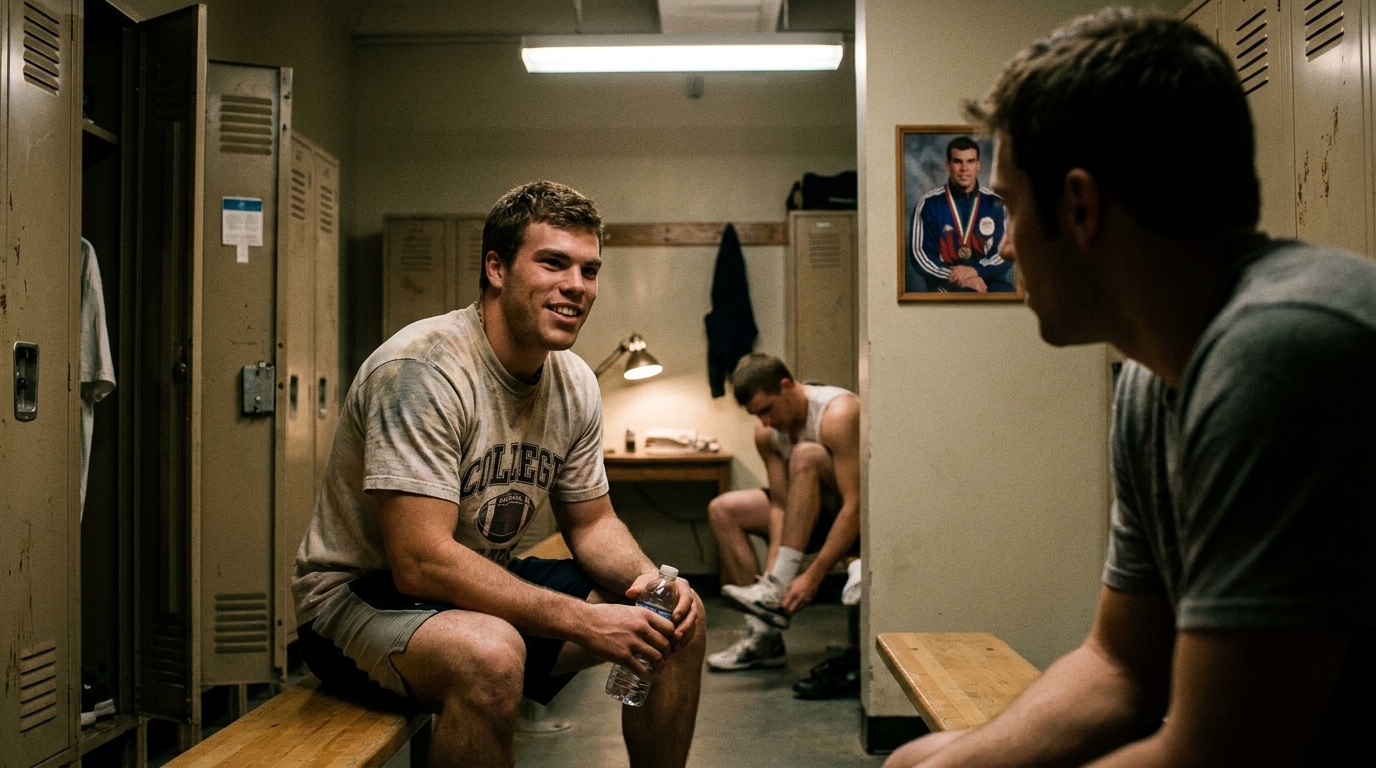
One of the guys on my team that year actually went on to become a two-time Olympian — and none of us knew anything about gut health at the time.

This detail grounds the Kombuchade origin story in genuine athletic performance context. Matt was not selling health products to casual gym-goers — he was embedded in a team that included elite-level athletes, which gave his early observations about performance and gut health real validity.

Appearances & videos

Original interview details

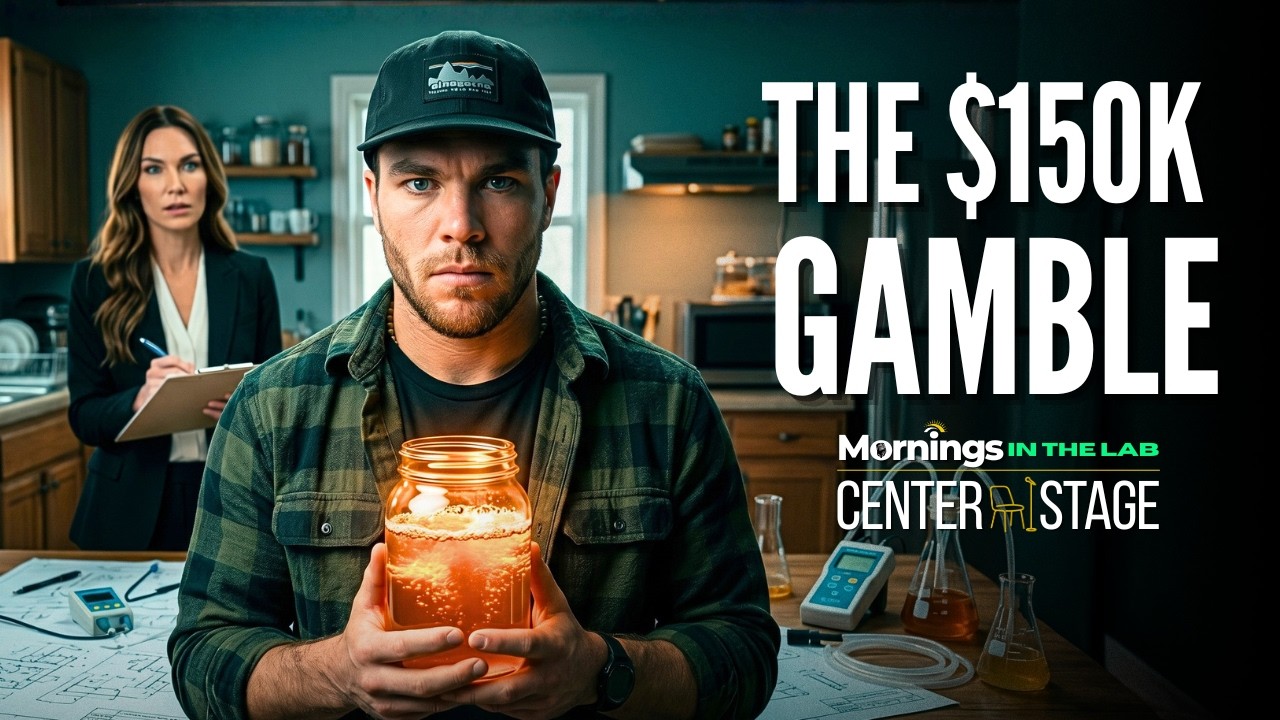
He Left a $150K Engineering Career to Brew Kombucha

Episode #CS-016

Center Stage

  • Mornings in the Lab · Center StageFebruary 16, 2026Watch →

From the interview

If you train hard but still feel puffy, tired, and stuck — it's not always willpower. Sometimes it's your gut waving a red flag.
I quit my six-figure engineering job after witnessing the horrors of processed food manufacturing plants here in our country.
He felt a spiritual conviction to build a kombucha facility for active people. It was so strong that Matt walked away from everything.

The guest conversation

The original excerpt is preserved below, followed by an additional guest conversation. Timestamps refer to each recording.

Original published excerpt If you train hard but still feel puffy, tired, and stuck, it's not always willpower. Sometimes it's your gut waving a red flag. Most men treat gut health like a side quest. Then recovery stalls, cravings get loud, and the mirror stops cooperating. We've got Matt Lancor in the lab. And if you want better recovery, easier fat loss, and stronger training days, you'll love his story. Matt studied material science engineering at the University of Illinois. But what pulled him into this started in rugby, not a classroom. During a national rugby championship run, he noticed his performance changed when his gut was off. That's when he discovered probiotics. As an engineer, he sometimes entered processed food plants. What he saw was horrifying. His turning point came on an engineering project inside a beer brewery. He felt a spiritual conviction to build a kombucha fac…

Read the full transcript →
Guest gallery
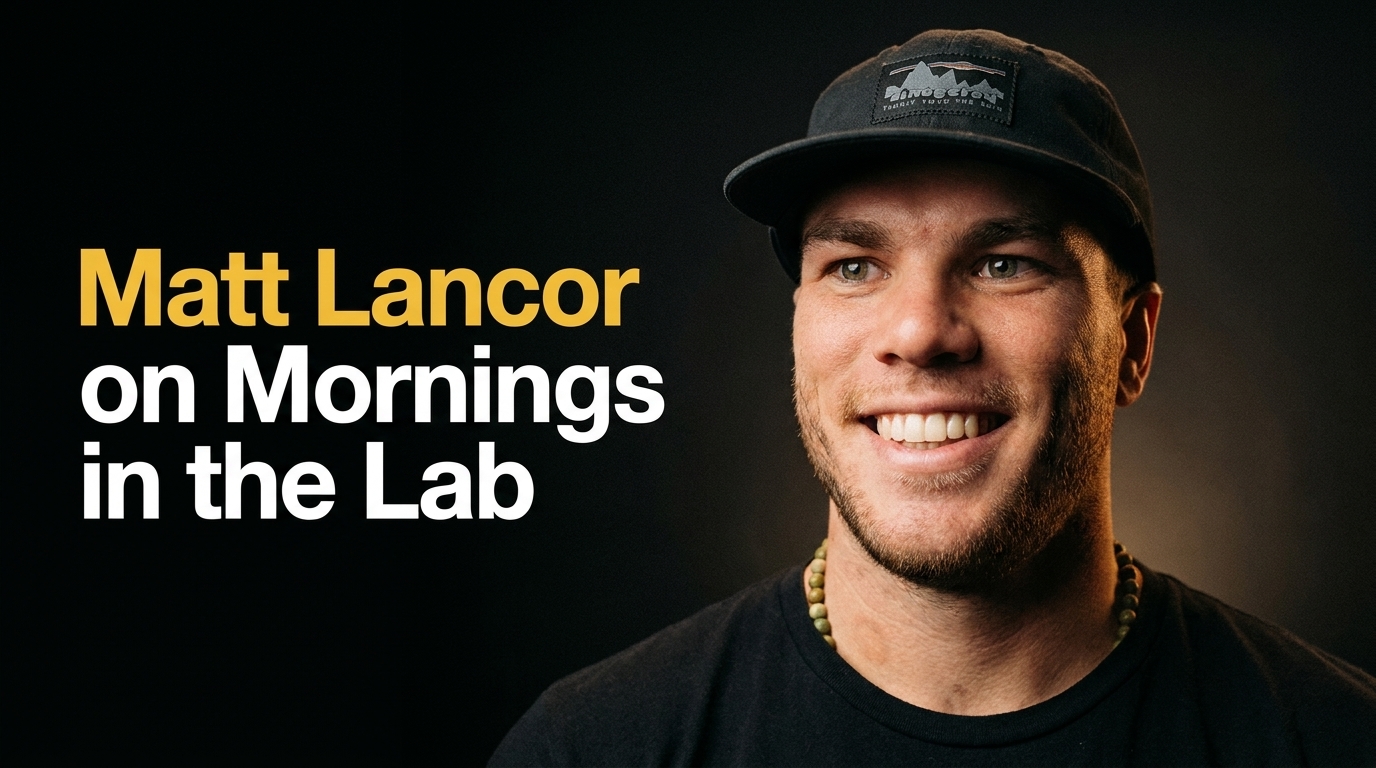
Pre-show shareable graphic generated by the Authority Page Builder.
Announcement card · Pre-show shareable graphic generated by the Authority Page Builder.
Gut health as the hidden variable in athletic performance
Inside the food manufacturing system: what Matt saw
Calling vs. career: the spiritual conviction behind Kombuchade
From mom's kitchen to Chicago manufacturing
Product integrity: ten years, one SCOBY
The 100,000-person gut health mission
Designing the athlete-oriented kombucha gap
Elite athlete origins of the Kombuchade formula
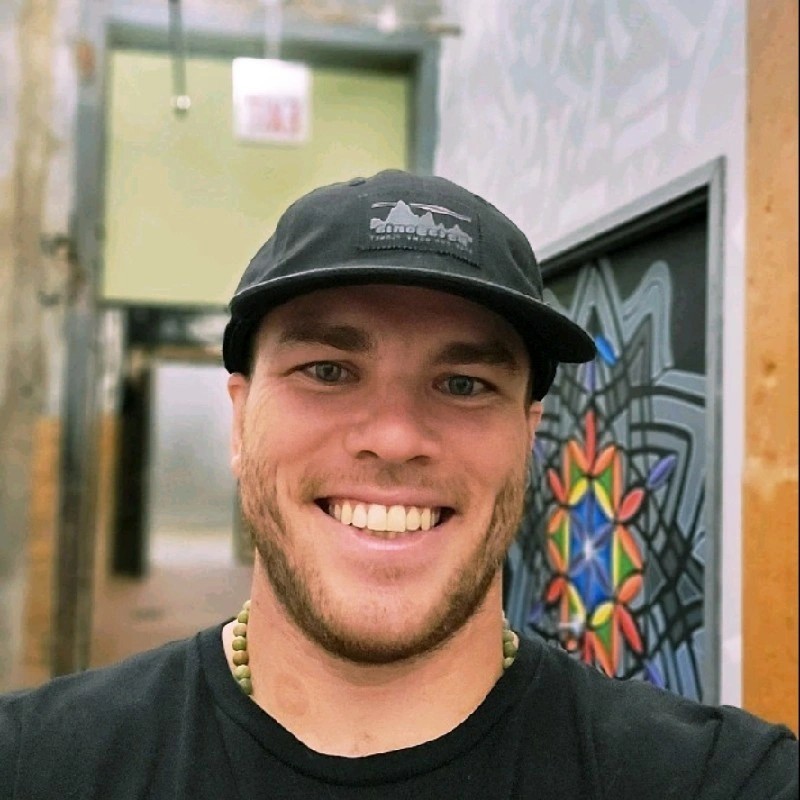
Original headshot ↗
Conversation topics

The gut health problem most athletes ignore · ~2 minutes · The open frames gut health as the hidden variable behind performance plateau symptoms — feeling puffy, tired, stuck — and positions Matt as the person who has lived and solved this problem. · The engineering background and food plant access · ~3 minutes · Matt describes his material science engineering degree, his career in industrial automation, and what he witnessed inside American processed food manufacturing plants that made him determined to build something different. · The rugby tournament and the kombucha discovery · ~4 minutes · Matt recounts the 2014 USA Rugby National Championships in Seattle — discovering kombucha on a grocery end-cap, drinking three bottles across the tournament, and the gut-regulatory effect that started the chain of events leading to Kombuchade. · The spiritual conviction and leaving the career · ~3 minutes · Matt describes the beer brewery engineering project that produced an overwhelming sense of conviction — that he was meant to build a kombucha facility for active people. The decision to walk away from a six-figure career. · Starting in mom's kitchen: the origin story · ~3 minutes · Matt details the early days: home brewing in his mother's kitchen, convincing rugby teammates to be first customers, expanding to CrossFit and martial arts communities, and delivering product in his Volkswagen Jetta. · What makes Kombuchade different from other kombucha · ~4 minutes · Matt explains his design philosophy: lower carbonation, functional herbs and organic teas, mineral electrolytes, and a smooth flavor profile that athletes actually want to drink. The Gatorade-of-kombucha positioning. · The science of fermentation and gut performance · ~5 minutes · Matt dives into the building blocks of Kombuchade — the organic acids, vitamins, and probiotics produced by fermentation — and how each component contributes to gut health, inflammation reduction, and athletic performance. · Building the Chicago manufacturing facility · ~3 minutes · Matt describes the operational journey from shared kitchen to licensed wholesale food establishment to Kombuchade's own Chicago facility — and the same SCOBY culture maintained throughout. · The 100,000-person mission and $100M target · ~3 minutes · Matt articulates his company's mission and revenue ambitions, and discusses what scaling Kombuchade while maintaining product integrity and values looks like in practice. · Closing and how to find Kombuchade · ~2 minutes · Sophia closes the segment with Matt, directing viewers to kombuchade.com and discussing what the future of gut health for athletes and active humans looks like.

Appeared in