← All guestsCenter Stage

Center Stage · Mornings in the Lab

Nick Pelletier

What does the next stroke ask of you?

An endurance athlete on returning after unfinished attempts, the limits of preparation, and the practical work of continuing.
Watch full interview on YouTube ↗
2026-09-28 · Episode #3144 · Keith Bilous & Jon AndersenFull conversation

Meet Nick Pelletier

What does the next stroke ask of you?

Nick Pelletier is an ultra-endurance athlete and adventurer based in Kelowna, British Columbia. His official website describes his shift from college baseball toward swimming, cycling and running, and features Sink or Swim, a documentary about his Okanagan Lake swim. In this appearance, he tells Keith and Jon about separate attempts, difficult conditions, rebuilding confidence and the mental work of long-distance efforts.

Conversation
Center Stage
Hosts
Keith & Jon
Air date
2026-09-28
When His Shoulder Stopped Working illustrated story cover
Illustrative artwork · Approved illustrated artwork

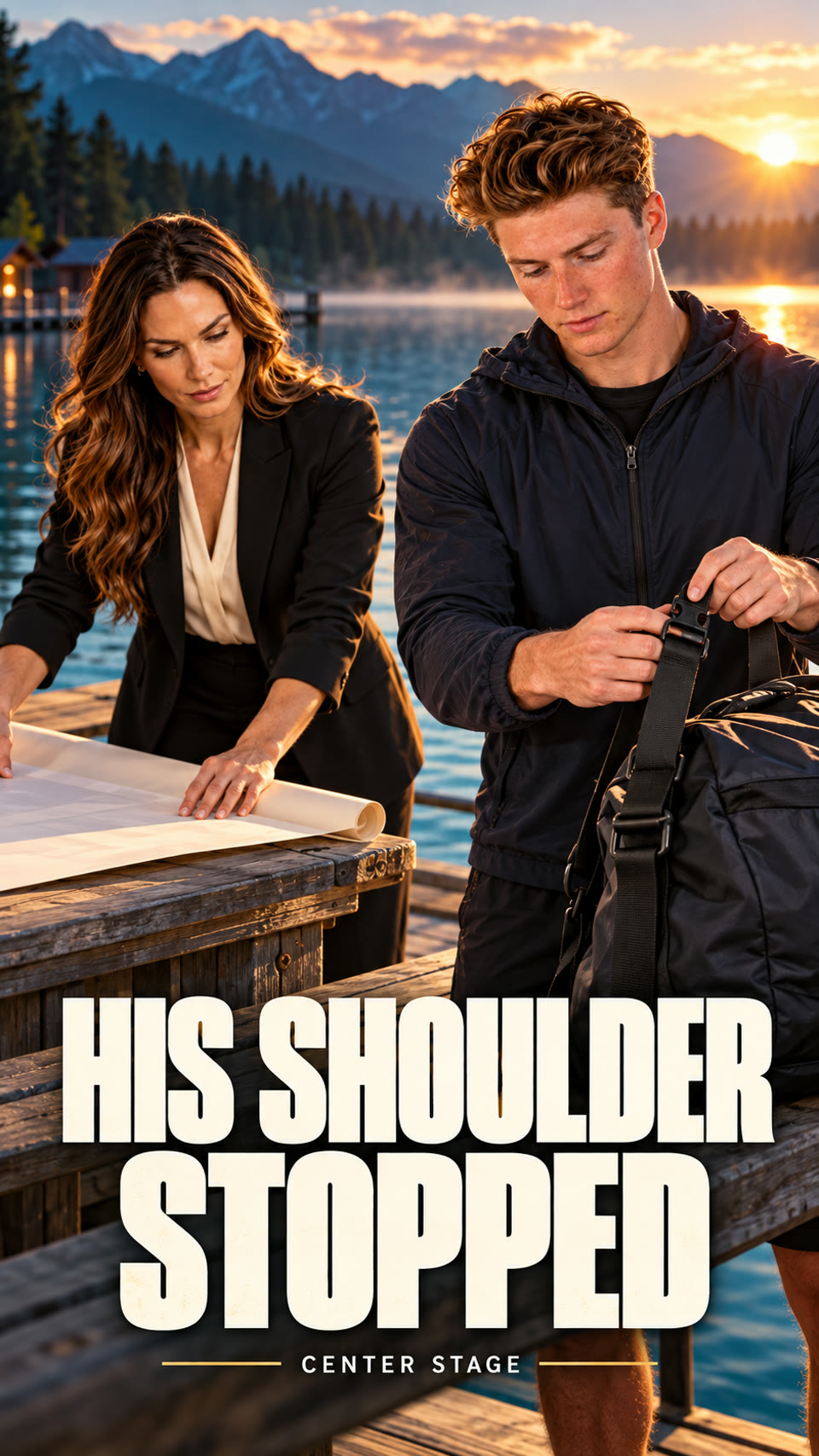
HIS SHOULDER STOPPED

When His Shoulder Stopped Working

Nick recounts changing his equipment after the first Okanagan Lake attempt, then encountering a different problem: his shoulder stopped working. The clip is about the second attempt, not the eventual completed third swim. That matters because perseverance here includes an unfinished effort, learning and returning later. The surrounding interview also makes room for the crew's responsibility and his trust in his father to help make a call. The cover is a planning metaphor, not an injury reenactment or proof of a medical outcome.

16:17 · Watch this moment ↗
Nick Pelletier on Taking the Next Stroke illustrated story cover
Illustrative artwork · Approved illustrated artwork

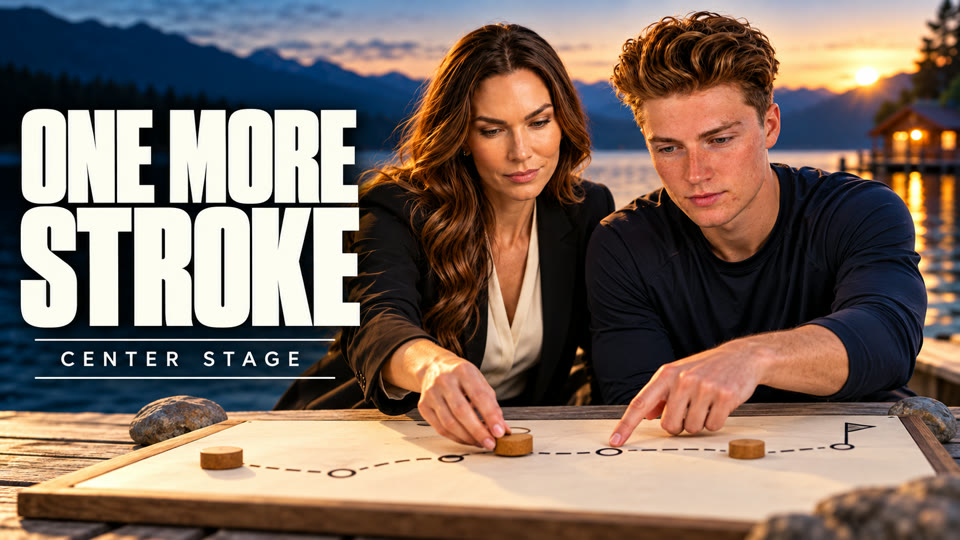
ONE MORE STROKE

Nick Pelletier on Taking the Next Stroke

After describing an attempt stopped by currents, Nick and Keith talk about bringing a large effort back to the next step or stroke. Keith recalls a lesson from Kilimanjaro. Nick agrees and credits an ultra runner with an idea about each step being evidence against the story in the mind. The moment is an exchange between the host and guest, not a claim that Nick delivered a complete one-stroke method in this clip. The surrounding full interview supplies his discussion of continuous efforts, multi-day journeys, crew judgment and conditions beyond his control.

33:46 · Watch this moment ↗

More places to begin

A conversation in chapters

Current full-cut coordinates, including the original opener lead-in.

What the conversation brings forward

  • The shoulder story belongs to Nick’s second attempt.
  • The crew’s decision to stop is part of the account and remains in context.
  • Nick describes using other endeavors to rebuild confidence between attempts.
  • The next-stroke discussion combines Keith’s metaphor with Nick’s attributed quotation.

The Reel Room

Two moments. Full context.

Recorded highlights. The original vertical frame and airtime text promote the recurring show.

HIS SHOULDER STOPPED

When His Shoulder Stopped Working

Nick recounts changing his equipment after the first Okanagan Lake attempt, then encountering a different problem: his shoulder stopped working. The clip is about the second attempt, not the eventual completed third swim. That matters because perseverance here includes an unfinished effort, learning and returning later. The surrounding interview also makes room for the crew's responsibility and his trust in his father to help make a call. The cover is a planning metaphor, not an injury reenactment or proof of a medical outcome.

Watch this moment in the full interview using the link below. Native horizontal and vertical downloads are being prepared.

16:17 · Watch this moment ↗

Video downloads

Native highlight downloads are being prepared.

Story covers · horizontal and vertical

Illustrations depict ideas from the conversation, rather than documented photographs of events.

Optional post · Guest may edit

My shoulder stopped working. That was attempt two, not the swim I eventually finished. After my first Okanagan Lake attempt, I changed the equipment I'd been using. Then the next attempt brought a different problem with my shoulder. The complete story has three attempts. It has changes, a crew and decisions that weren't just mine to make. My dad was part of all three, and I trusted him with a central role in knowing when an attempt had to stop. When I spoke with Keith and Jon, I wanted to explain what actually happened along the way, not just the finish at the other end. The unfinished efforts are part of that story. This clip is one moment from our Center Stage conversation. My documentary Sink or Swim goes through the two failures and the eventual completed swim. What did a setback teach you before you tried again? Watch the clip below.

ONE MORE STROKE

Nick Pelletier on Taking the Next Stroke

After describing an attempt stopped by currents, Nick and Keith talk about bringing a large effort back to the next step or stroke. Keith recalls a lesson from Kilimanjaro. Nick agrees and credits an ultra runner with an idea about each step being evidence against the story in the mind. The moment is an exchange between the host and guest, not a claim that Nick delivered a complete one-stroke method in this clip. The surrounding full interview supplies his discussion of continuous efforts, multi-day journeys, crew judgment and conditions beyond his control.

Watch this moment in the full interview using the link below. Native horizontal and vertical downloads are being prepared.

33:46 · Watch this moment ↗

Video downloads

Native highlight downloads are being prepared.

Story covers · horizontal and vertical

Illustrations depict ideas from the conversation, rather than documented photographs of events.

Optional post · Guest may edit

One stroke at a time is how I bring a huge distance back to the present. A continuous swim or run is different from a bicycle journey where I can stop and sleep before the next day. I talked with Keith and Jon about how I think through both. In the continuous efforts, I come back to the next stroke or step. On a long trip, I deal with the day in front of me. There are still conditions and problems I can't control. Making the next action smaller helps me keep my attention where I can use it. That doesn't mean every attempt ends with a finish. I've had efforts stopped by equipment, injury and conditions. Those experiences are part of why the next manageable action matters to me. Watch this moment from Center Stage. What helps you come back to the next step when the whole task feels too big?

The conversation

In their own words

Selected dialogue from the conversation.

“Shoulder just stopped working.”
Nick Pelletier · Nick is recounting his second Okanagan Lake attempt; do not attach it to the completed third swim.
Source cue 435
16:33 · Watch this moment ↗
“So on that second attempt, again, made it about 50K.”
Nick Pelletier · The sentence establishing the attempt’s identity.
Source cue 429
16:18 · Watch this moment ↗
“It's one stroke at a time”
Nick Pelletier · He distinguishes continuous efforts from multi-day journeys with rest.
Source cue 961
36:39 · Watch this moment ↗

One appearance. Full context.

Nick Pelletier with Keith and Jon

Center Stage on Mornings in the Lab · Episode #3144 · Aired 2026-09-28. The air date is separate from a video’s upload date.

An endurance athlete on returning after unfinished attempts, the limits of preparation, and the practical work of continuing.

Guest’s official website ↗

Questions and answers

A little more context

Who is Nick Pelletier?

Nick Pelletier is an ultra-endurance athlete and adventurer based in Kelowna, British Columbia. His official website describes his shift from college baseball toward swimming, cycling and running, and features Sink or Swim, a documentary about his Okanagan Lake swim. In this appearance, he tells Keith and Jon about separate attempts, difficult conditions, rebuilding confidence and the mental work of long-distance efforts.

What does this conversation explore?

An endurance athlete on returning after unfinished attempts, the limits of preparation, and the practical work of continuing.

When did this appearance air?

2026-09-28, in episode #3144, with Keith Bilous and Jon Andersen.

Are the clips live?

These are recorded highlights. The vertical frame’s LIVE and airtime text promote the recurring show.

What can I download?

The full interview is available as a low-bandwidth review and a 720p download. All four H/V highlight videos and four dedicated H/V story covers are separately downloadable. Approval states remain individual.

Where can I learn more?

Use the guest’s official sources linked beside the biography.

Which attempt does the shoulder story describe?

Nick explicitly identifies it as the second attempt. The opener’s association with the later completed swim requires clarification before release.

  • Endurance
  • Setbacks
  • Support crews
  • Attention
  • Adaptation

Optional sharing posts

The full appearance

Complete first-person drafts for the guest to edit. Copying does not publish or send a post.

Optional post · Guest may edit

I gave someone else the authority to help make the call. On my Okanagan Lake attempts, I wasn't alone. I had a crew on the water, and my dad was there through all three. Beforehand, I gave him an overarching role in knowing when I needed to come out. That trust mattered. When you're the person doing the effort, other people can see parts of the situation differently. My solo bicycle journeys have another kind of responsibility: when something goes wrong, I have to handle it myself. I talked with Keith and Jon about that difference and about the support behind the lake swim. The full Center Stage conversation includes the attempts, the journeys and the documentary work that lets me share what happened. Who do you trust to tell you something you might not want to hear? Watch the full interview below.

Keep the conversation going

Share the full conversation.

Native full-interview and highlight downloads are being prepared. The full interview is available on YouTube, and the approved story covers are available above.