NEXT LIVEMornings in the Lab with Keith, Jon & Friendsin 2h 22m
← All network guests
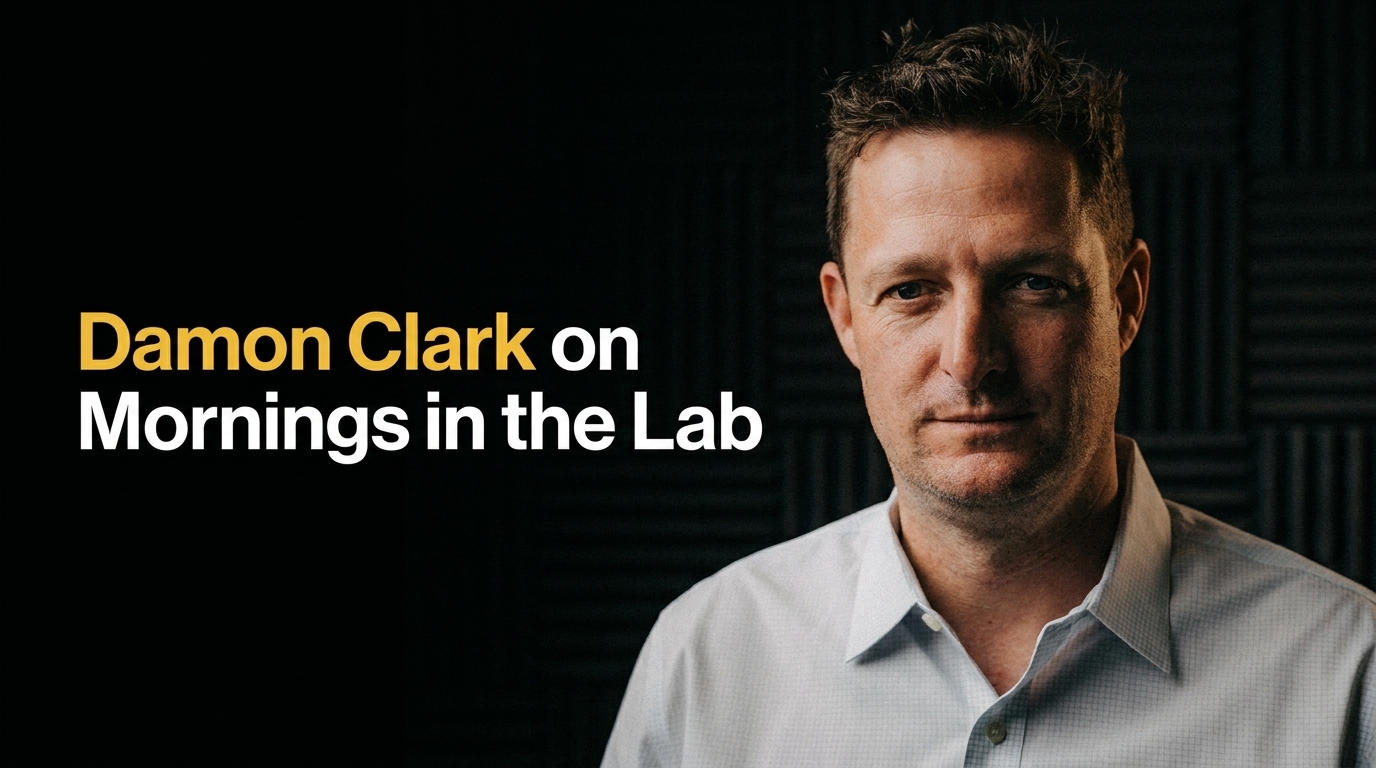
Damon Clark
Mornings in the Lab · Center Stage

Damon Clark

Chief Talent Optimizer, Talent Optimizers

Talent OptimizationTeam DevelopmentBehavioral Assessments
Watch the conversation

Watch Damon Clark’s appearance in the full show.

Watch guest appearance on YouTube ↗

Questions this episode answers

How can you communicate better with an analytical manager?

Damon Clark describes replacing broad updates with specific progress against target, an end-of-quarter forecast and clear requests for help. He says adapting to his manager’s need for detail improved their working relationship.

Read this moment in the transcript →

How should a company choose team-development training?

Damon recommends assessing the team and identifying its priorities before choosing training. He says development should be strategic and sustained, rather than an activity added to an offsite as an afterthought.

Read this moment in the transcript →

Why can becoming a CEO require a different skill set?

Damon says a new CEO may need to work beyond the strengths that brought them into leadership. He gives examples of a finance professional learning to sell and a sales leader becoming more comfortable with numbers and data.

Read this moment in the transcript →

Summary

Damon Clark traces his interest in workplace behavior to learning that an analytical manager needed more specific updates than he had been providing. He argues that team development should begin with assessed priorities and continue over time, rather than being chosen as an afterthought for a leadership offsite. Drawing on mountain guiding and corporate work, he connects leadership with personal wellbeing, deliberate preparation and a willingness to develop beyond the skills that first brought someone into management.

Key takeaways

  • His early communication lesson was concrete: replacing a broad update with progress against target, an end-of-quarter forecast and specific requests for help improved the relationship with his manager.
  • Clark wants organizational values to guide hiring, performance reviews and dismissal, with leaders demonstrating them in practice rather than simply listing them.
  • He applies a mountain-guide priority to leadership: protect your own capacity to help, then look after the team that must carry out the work.
  • A move into a CEO role can require unfamiliar work, not just more of the previous job: Clark uses the examples of a finance professional learning to sell and a sales leader spending more time with numbers.
  • Behind the visible training sessions, he describes employee surveys, team analysis and planning that connect people’s development needs with the business strategy they must execute.
Read the transcript →

Jump into the conversation

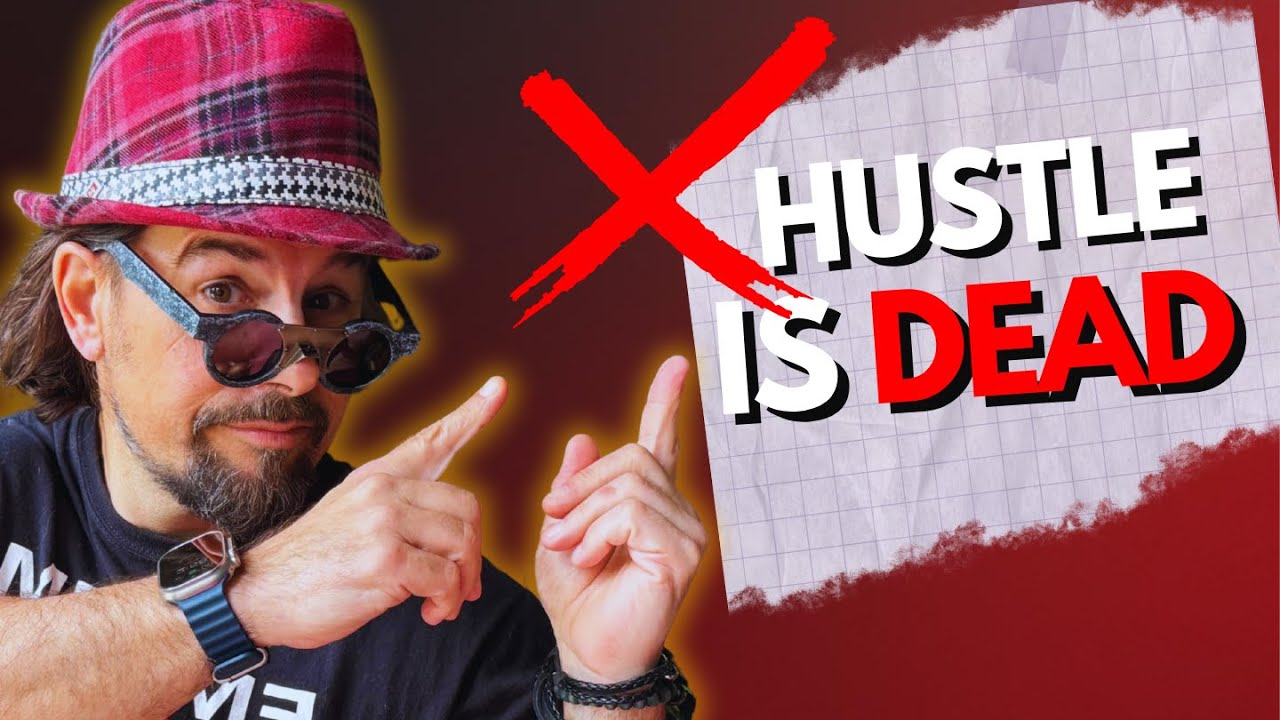
Hustle Culture Is Dead: The Emotional Intelligence Shift Men Need
  1. 0:00Intro: Emotional Flexes vs. Biceps
  2. 02:45The Nut Check: Testicular Cancer Awareness
  3. 13:30"Run It Straight": The Viral Sport Reaction
  4. 18:40Accountability: Are You Enough Today?
  5. 30:45Damon Clark: Why Corporate Training Sucks
  6. 48:00The Mountain Guide Leadership Philosophy
  7. 1:05:00Why People Choose the "Cupcake" over Discipline
  8. 1:28:30Enter The Monk: Nick Hashemi's Story
  9. 1:41:00Meditating for 16 Hours & The Matrix
  10. 1:59:00Creator Spotlight: Jesse Singh

Their story

Damon Clark is a seasoned talent optimization expert and founder of Talent Optimizers, a consultancy dedicated to helping organizations align their teams with business strategy using data-driven behavioral insights. Originally from the United Kingdom, Damon built an illustrious career leading cross-functional teams for multinational tech giants such as Fujitsu Siemens, Acer, EMC, and Hubspot across the UK, Italy, UAE, and the United States. In 2009, he left the corporate world to launch Amphibia, a successful UK-based training solutions startup that he sold before relocating to the US in 2015. There, he spent two years at The Predictive Index, honing his skills in behavioral assessment before transitioning to full-time consulting. Today, as Chief Talent Optimizer, Damon works with companies from startups to Fortune 100, leveraging certifications in Predictive Index, Everything DiSC, and The Five Behaviors to drive talent retention, development, and strategic alignment. His philosophy centers on why most team trainings fail: they are ad-hoc reactions rather than strategic, data-backed journeys. Damon advocates for team assimilation workshops, engagement surveys, and behavioral mapping to forecast execution risks and build high-performing teams. Featured in podcasts like Mornings in the Lab (Episode #2062) and discussions on optimizing team success, he emphasizes proactive talent management for better ROI, engagement, and retention. With over 25 years of global experience, Damon transforms dysfunctional teams into cohesive units by fostering vulnerability-based trust, addressing artificial harmony, and ensuring the right people in the right seats. His work proves that behavioral science can create better workplaces and a better world.[Talent Optimizers](https://www.talentoptimizers.com/damon-clark-1) [Predictive Index](https://www.predictiveindex.com/partner/talent-optimizers/) [YouTube Interview](https://www.youtube.com/watch?v=nPdvZOh3lEk)

In their own words

Team Training Failures

Most team trainings fail because they are an afterthought rather than strategic.

Damon explains that leadership development should use data to focus efforts, avoiding generic offsites.

Talent Alignment

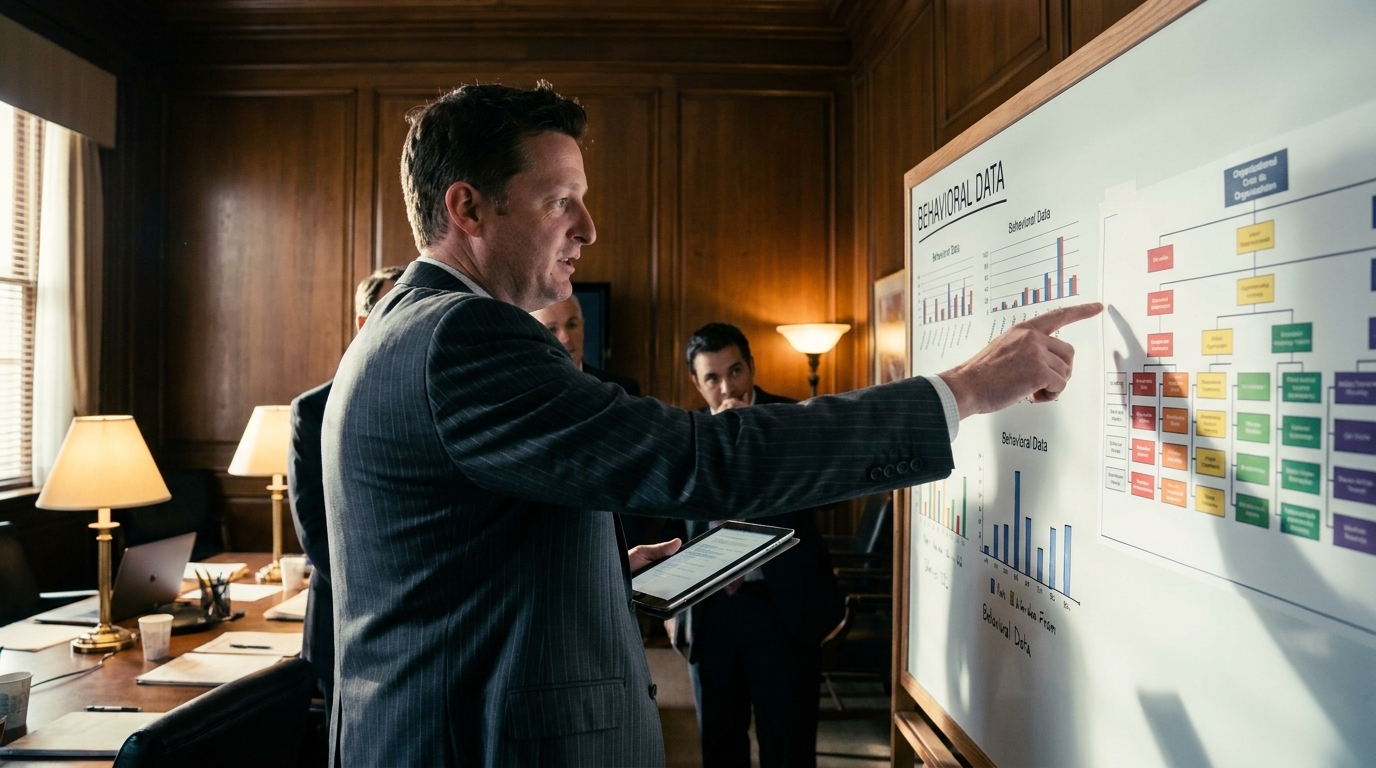
Use behavioral data to put the right people in the right seats and align teams with strategy.

This data-driven approach improves communication, execution, and retention across organizations.

Workshop Impact

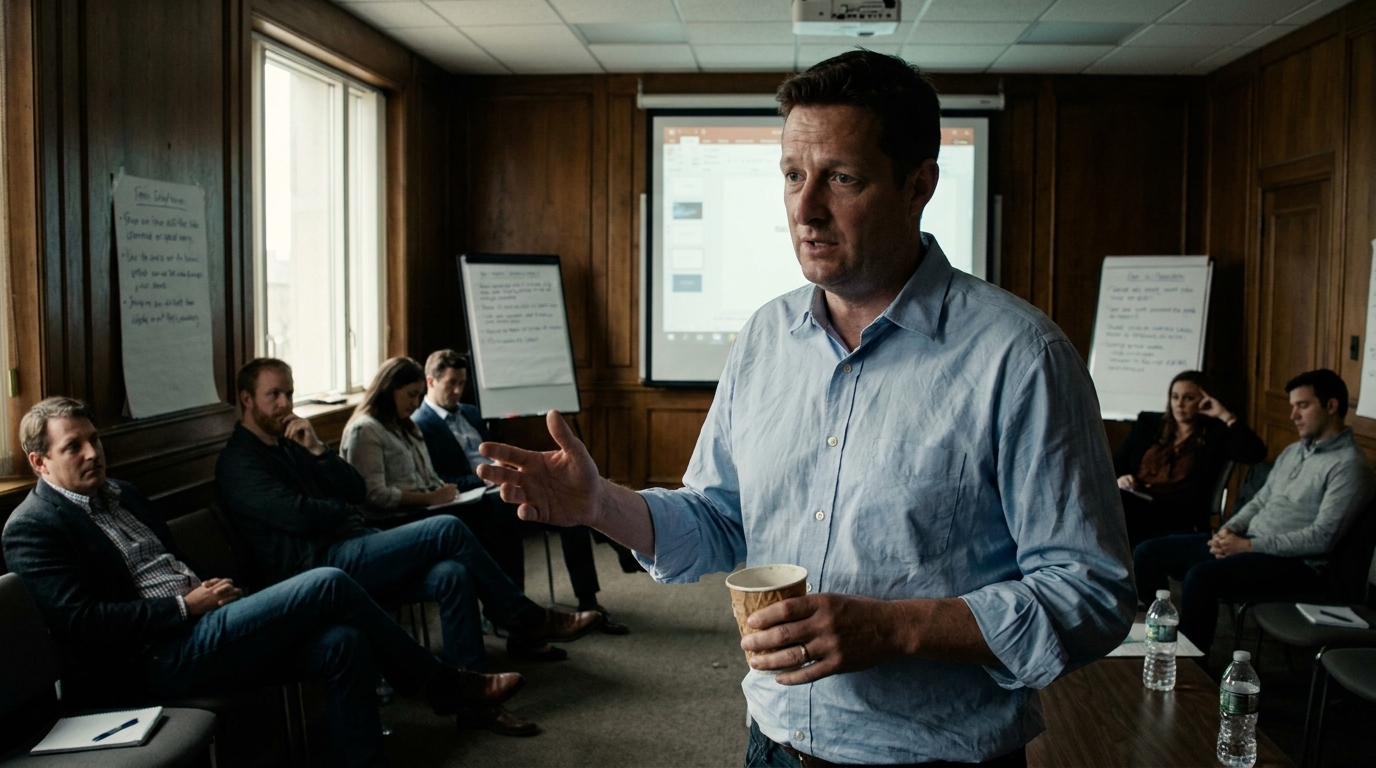
Team assimilation workshops kickstart development by benchmarking current state and planning the journey to high performance.

Combines surveys and behavioral assessments to build momentum and action plans.

Cultural Leadership

Leadership must embrace mission, vision, values in hiring, reviews, and daily leadership.

This leads to cultural alignment and sustained performance gains.

Appearances & videos

  • Mornings in the Lab · Center StageJune 4, 2025Watch →

From the interview

"We should be a bit more strategic, we should use data to know where to focus."
"What destroys teams is artificial harmony or silent disagreement."
"Leadership development is a big deal, there's a lot of things we can do."
"Better work, better world - we genuinely believe we can make workplaces better for everybody."

The guest conversation

[00:30:08] Keith: Yeah. Jim here. Ready to go, brother. Ready to go. We got, we got ready for Damon here. I see Jimmy's, uh, we've been working hard to get Damon in here and, uh, we had a little tech issues with, uh, streamy yards, so. Alright guys, let's do it. What if I told you that your team's biggest weakness isn't talent or effort, it's the way you've been training them? [00:30:22] Keith: Well, today's guest has finally got his tech sorted out. Damon. We lead with love and we tease with love here in the lab, but today's guest is work with everyone from nato. To hub Swat to fix exactly that. Coming up in the lab is Damon Clark. Jimmy, let's bring him up. Let's see what happens. My brother, there he is. [00:30:38] Keith: How are you pal? [00:30:40] Damon: I am so sorry to subject your audience to you to talking about lawns, [00:30:46] Jon: bro. We have fun with it. We have fun wi…

Read the full transcript →
Guest gallery
Pre-show shareable graphic generated by the Authority Page Builder.
Announcement card · Pre-show shareable graphic generated by the Authority Page Builder.
Team Training Failures
Talent Alignment
Talent Alignment
Workshop Impact
Workshop Impact
Cultural Leadership
Cultural Leadership
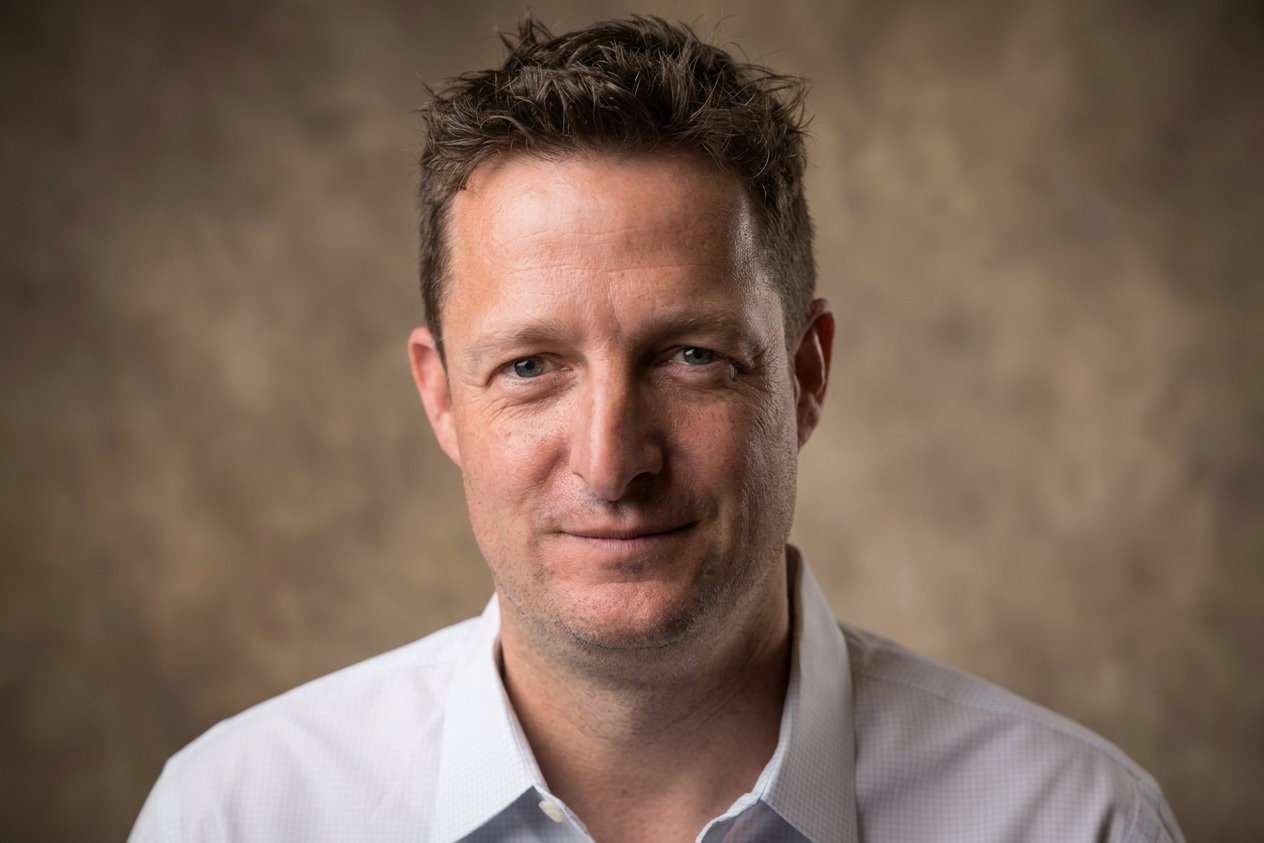
Original headshot ↗

Appeared in