NEXT LIVEMornings in the Lab with Keith, Jon & Friendsin 2h 30m
← All network guests
Jorge Toledo
Mornings in the Lab · Center Stage

Jorge Toledo

1,775 Days in Hell: How Captivity in Venezuela Made Me Stronger

Crisis LeadershipResilience TrainingAdversity Management
Watch the conversation
Watch on YouTube ↗

Questions this episode answers

What conditions does Jorge Toledo describe in detention?

Toledo describes being held underground without fresh air, with temperatures shifting between intense cold and no air conditioning. He says a bright light above him disrupted sleep during two and a half years in those conditions.

Watch this moment →

How did cellmates help Jorge Toledo during captivity?

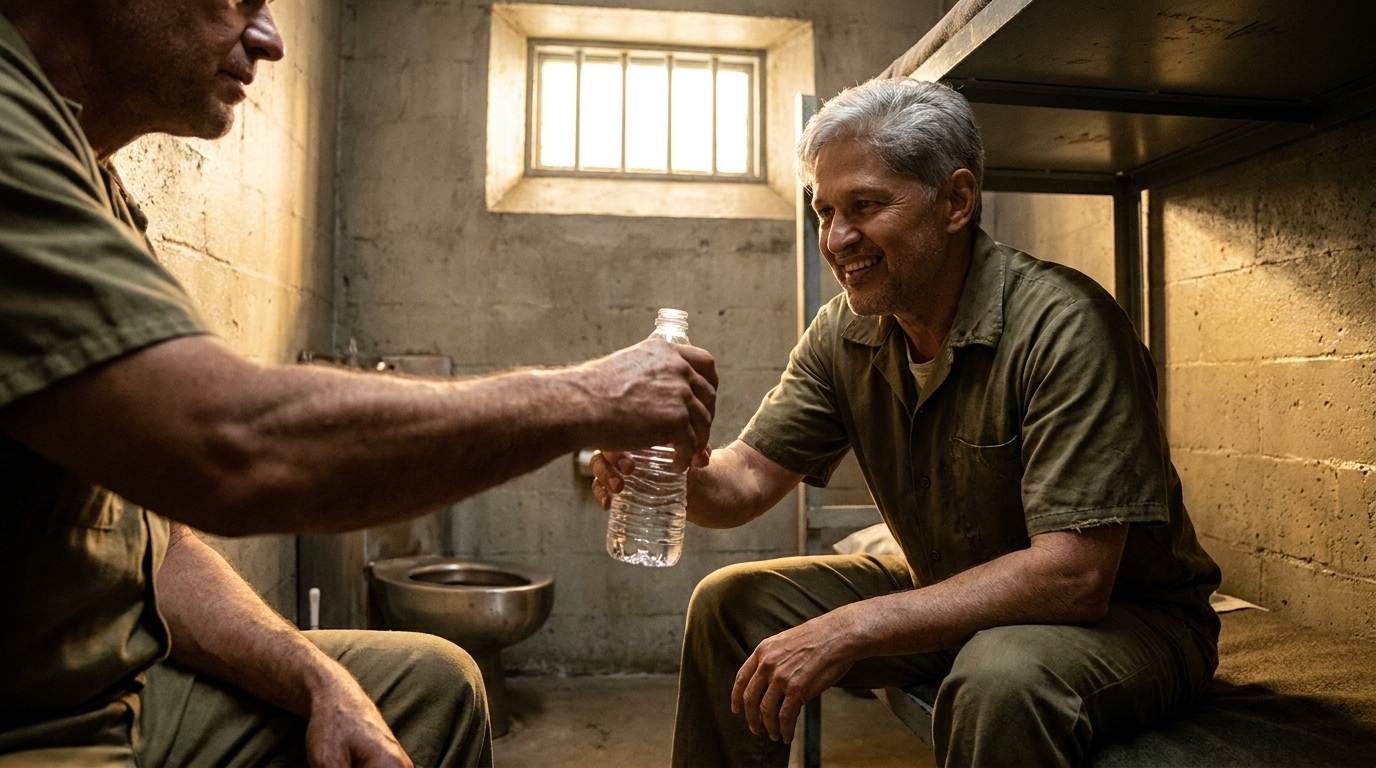
Toledo says prisoners formed a cellmate brotherhood and helped one another when he lacked access to basic supplies. He recalls cellmates giving him water after he had been drinking contaminated tap water.

Watch this moment →

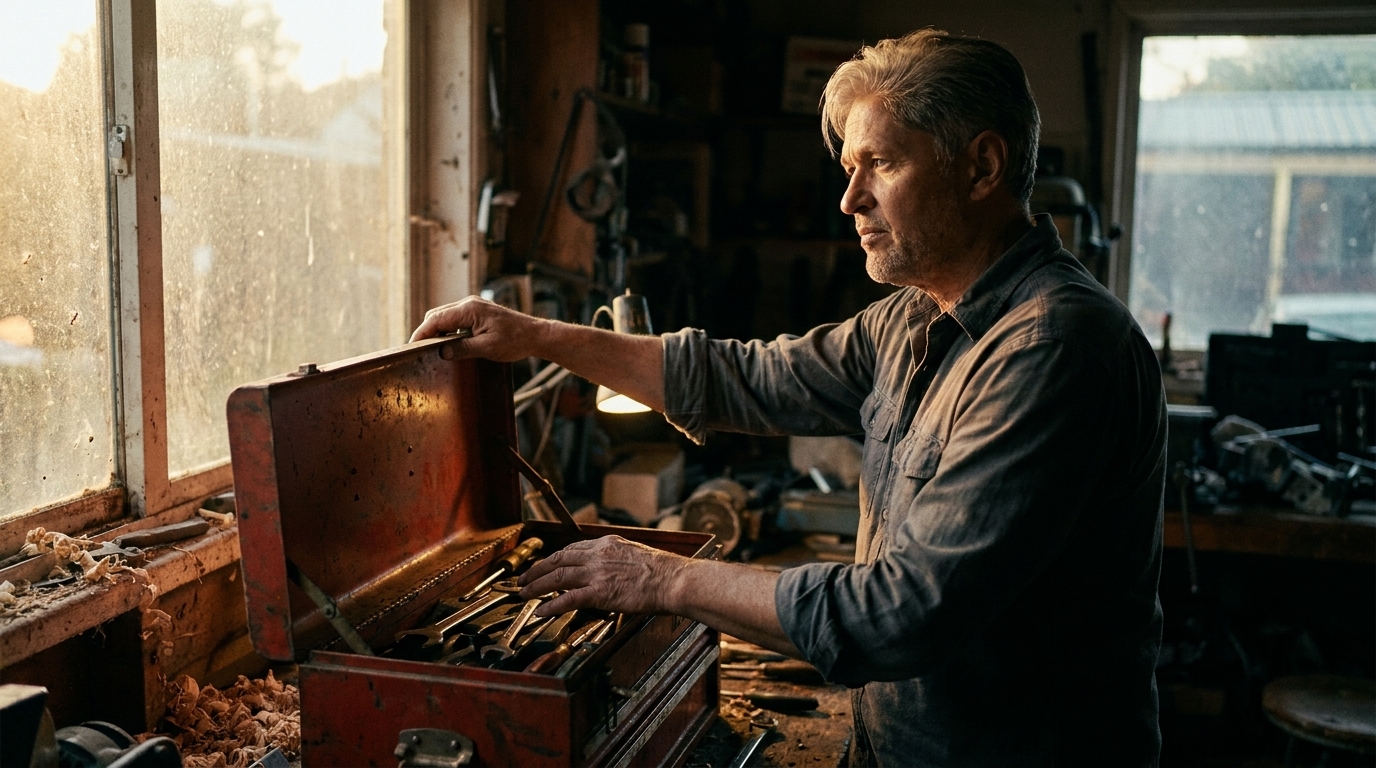
What does Jorge Toledo mean by a toolbox for surviving adversity?

Toledo says he drew on existing experience, including meditation, yoga and his fitness as a marathon runner, to cope in prison. Looking back, he describes gaining patience, tolerance, resilience and stronger negotiation and leadership skills through that experience.

Watch this moment →

Summary

Jorge Toledo recounts being detained with fellow executives during a business meeting in Venezuela and taken to a maximum-security prison. He describes harsh confinement, disrupted sleep, severe hunger and uncertainty about when he might be released. Reflecting on survival and his return home, he uses the image of a toolbox: earlier practices helped him endure, while captivity added lessons in patience, negotiation and leadership.

Key takeaways

  • Toledo describes a cellmate brotherhood in which people facing the same conditions helped one another, including sharing water while he lacked contact with his family.
  • He says he deliberately drew on his existing experience and practices, including meditation, yoga and marathon running, as resources for survival.
  • He contrasts negotiating major supply contracts before detention with negotiating for food and sleeping space in prison, where the immediate stakes were survival.
  • Looking back, he identifies patience, tolerance, resilience and endurance among the abilities he believes he gained, presenting this as his own way of making meaning from the experience.
Read the transcript →

Jump into the conversation

Jorge Toledo | 1,775 Days in a Venezuelan Prison: The CITGO 6 Story
  1. 2:36Daily conditions in captivity
  2. 8:57The Caracas meeting and detention
  3. 14:07Charges and uncertainty
  4. 17:01Reliance on cellmates
  5. 22:41Responding to adversity
  6. 23:50Tools for survival and growth

Their story

Jorge Toledo is an executive, author, and speaker who transformed one of the most harrowing experiences imaginable into a powerful testament to human resilience. As a former senior executive and Vice President of Supply and Marketing at CITGO, Toledo was responsible for crude oil supply to all U.S. refineries from Venezuela. His corporate career came to an abrupt halt on November 21, 2017, when he was detained without warrant during a business meeting in Caracas, becoming one of the "CITGO Six."

Read the full guest story

Jorge Toledo is an executive, author, and speaker who transformed one of the most harrowing experiences imaginable into a powerful testament to human resilience. As a former senior executive and Vice President of Supply and Marketing at CITGO, Toledo was responsible for crude oil supply to all U.S. refineries from Venezuela. His corporate career came to an abrupt halt on November 21, 2017, when he was detained without warrant during a business meeting in Caracas, becoming one of the "CITGO Six." Toledo spent 1,775 days—nearly five years—imprisoned in Venezuela's notorious El Helicoide prison and military detention facilities. During his captivity, he endured extreme physical and psychological torture, including prolonged isolation in underground dungeons, severe malnutrition that reduced his weight from 182 to 100 pounds, and deprivation of basic human needs. Despite these brutal conditions, Toledo developed what he calls a "cellmate brotherhood" and used his experience as a marathon runner and meditation practitioner to survive. Released in 2022 through a U.S.-Venezuela prisoner swap, Toledo has authored the book "1,775 Days of Captivity, Survival, and Growth." He now speaks internationally about leadership, mindset, family, spirituality, and extracting value from adversity. At 65, Toledo demonstrates how tragedy can become a source of strength, teaching others to use their "toolbox" of experiences to not just survive challenges, but to emerge stronger and more capable than before.

Expertise

hostage survival speaker · crisis leadership consultant · resilience keynote speaker · change transformation advisor · geopolitical risk analyst


In their own words

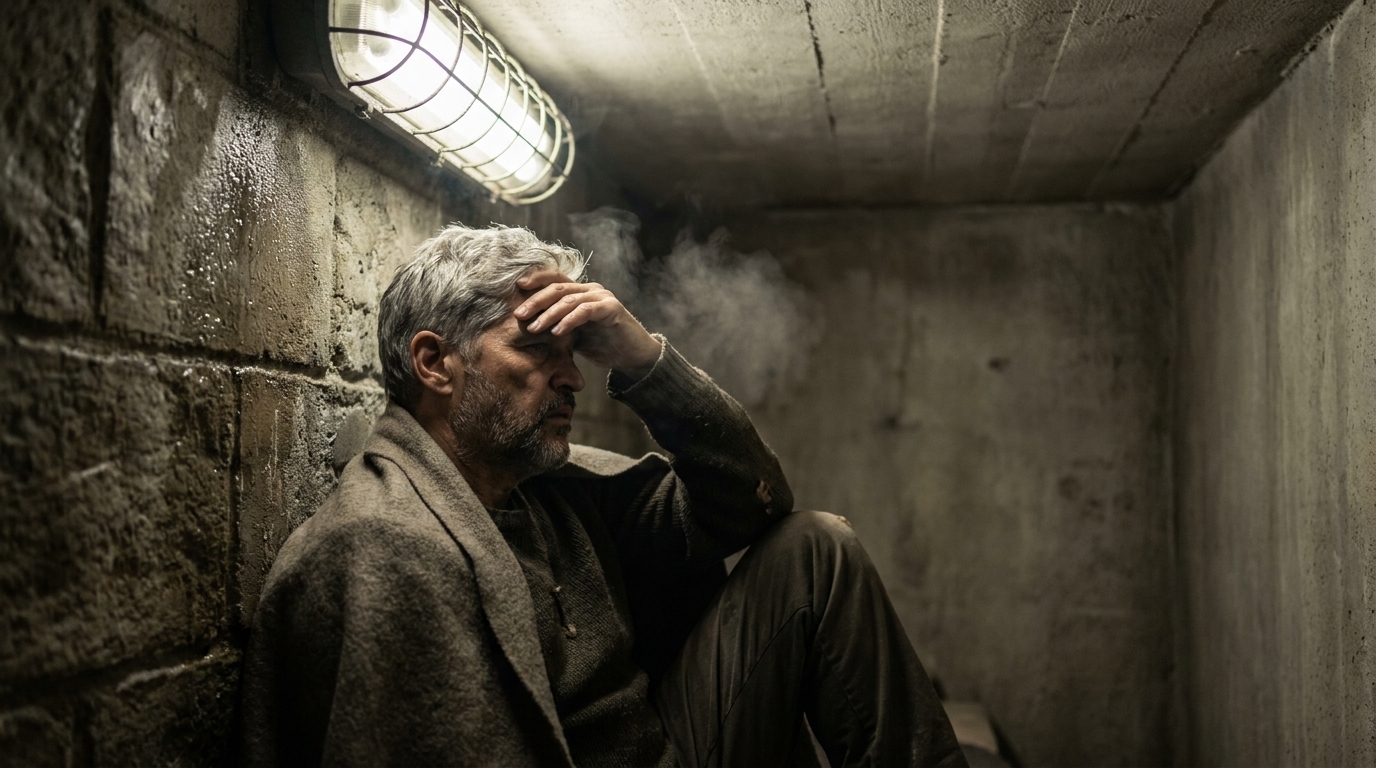
SURVIVAL CONDITIONS

I was sent into a dungeon, literally a dungeon. Underground, no fresh air. I had a you know, I fluctuation between very cold temperature to no air conditioning whatsoever. So, I had I spent two two years and a half in that dungeon with a very intense light on top of me, what deprive me to sleep.

Toledo describes the extreme physical conditions of his imprisonment, highlighting the deliberate psychological torture designed to break down prisoners through sensory manipulation and sleep deprivation.

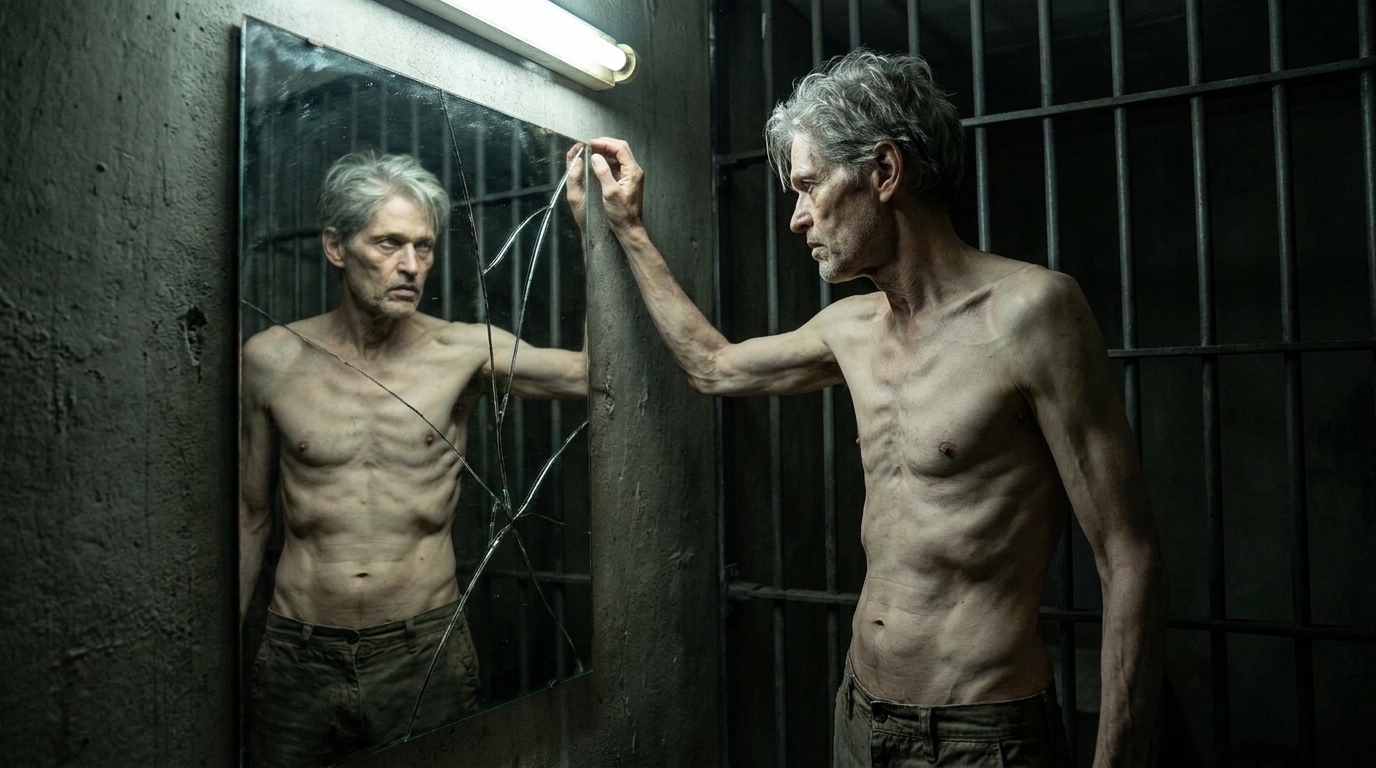
PHYSICAL DETERIORATION

In 10 months, I reached 100 100 lb of weight... I was 180 182. Almost almost half your body weight. Yeah. So, I was in a I in starvation... when I reached 100 lbs, I was just flesh and bones. So, like like my in my arms, you know, it was like a half a piece of cloth.

The severe malnutrition Toledo endured illustrates the systematic physical torture designed to slowly kill prisoners, demonstrating the extreme conditions he had to overcome to survive.

SUDDEN DETENTION

exactly by 10:00 in the morning, in the midst of the meeting, a group of about 20 guards covered with, you know, armored vests, their head covered and with long weapons, erupted into the meeting room asking for the CITGO executives... we were detained without any warrant, without an order of of the court. Not even they shared initially the reason of the detention.

This moment captures the sudden transformation from corporate executive to prisoner, highlighting how quickly life can change and the arbitrary nature of his detention.

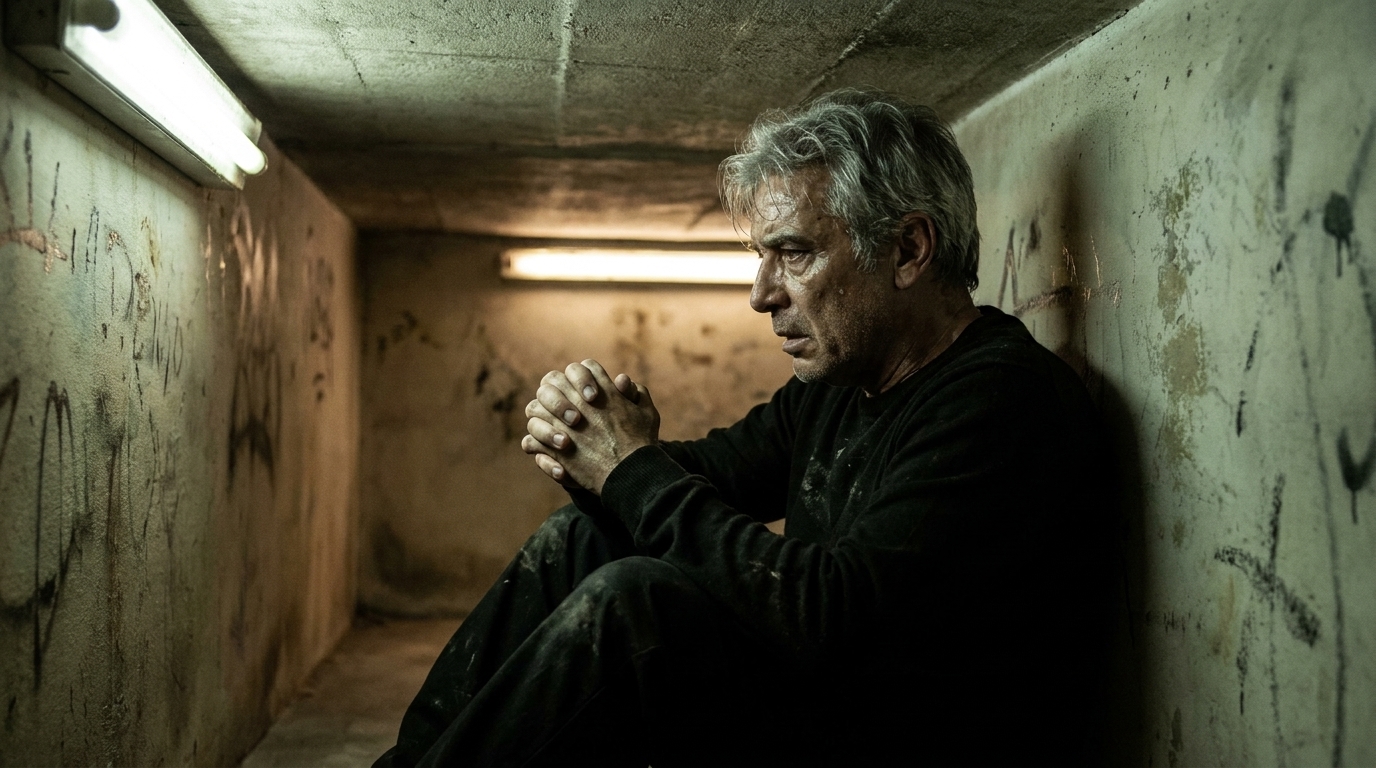
ISOLATION TORTURE

I was moved to different cells. Some of them in isolation which was a like a 2 m by 1 m type of space... Without a bathroom, without air... can you imagine a 2-m by 1-m closed cell with feces and urine deposited there.

Toledo details the dehumanizing conditions of solitary confinement, demonstrating the psychological warfare designed to break prisoners' spirits and dignity.

MINDSET TRANSFORMATION

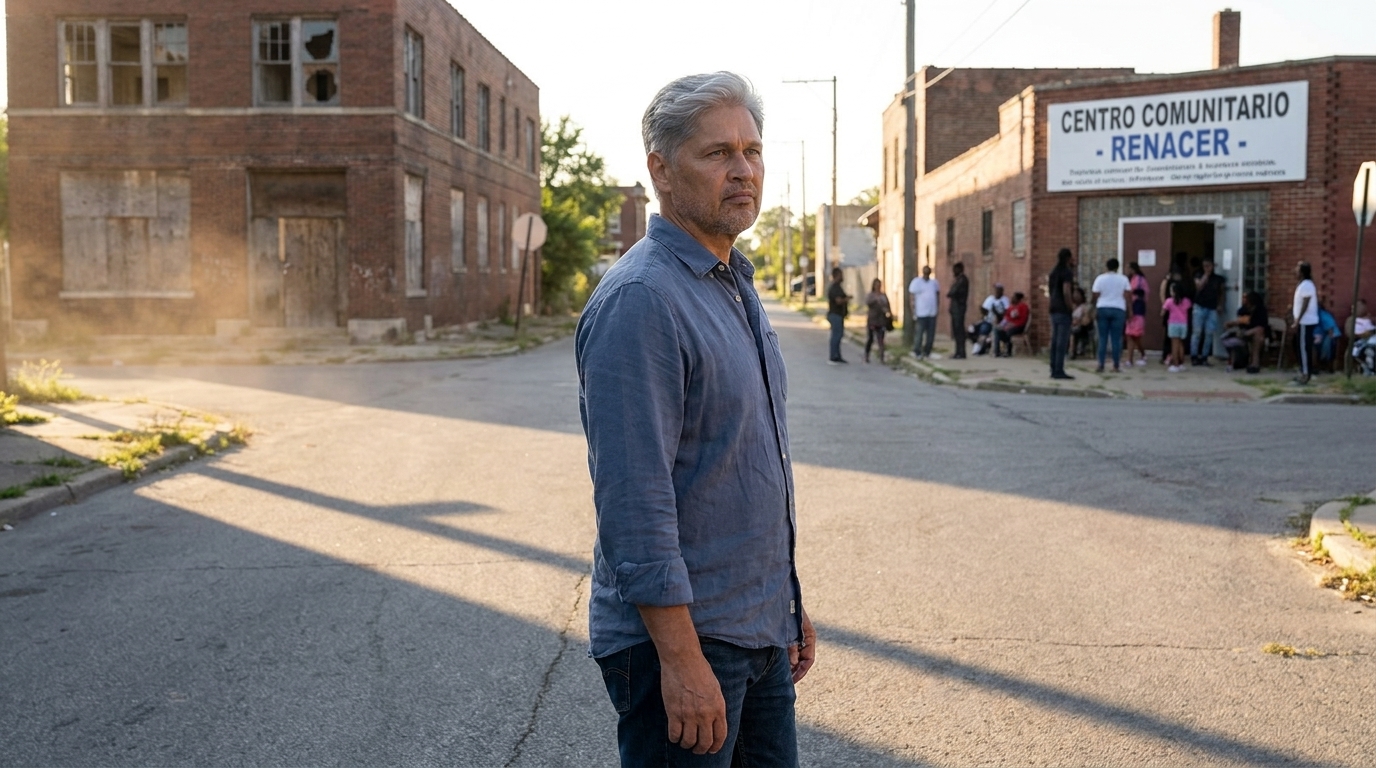
you can take your your situation of adversity or a tragedy as your destruction or as the justification of your destruction, or you can take it as an opportunity to create value for your life and become a better man. That's the two scenarios.

This reflects Toledo's fundamental philosophy on adversity, showing how he reframed his traumatic experience as a source of growth rather than destruction.

TOOLBOX PHILOSOPHY

When I left prison and I came back home, I went back to my toolbox and I opened it and I realized that I had a lot of new tools... Patience. Tolerance. Resilience. Endurance. Negotia- I improved my negotiation skills and leadership skills.

Toledo's metaphor of the "toolbox" demonstrates how he extracted practical value from his suffering, gaining skills that enhanced his leadership and personal capabilities.

GEOPOLITICAL PAWN

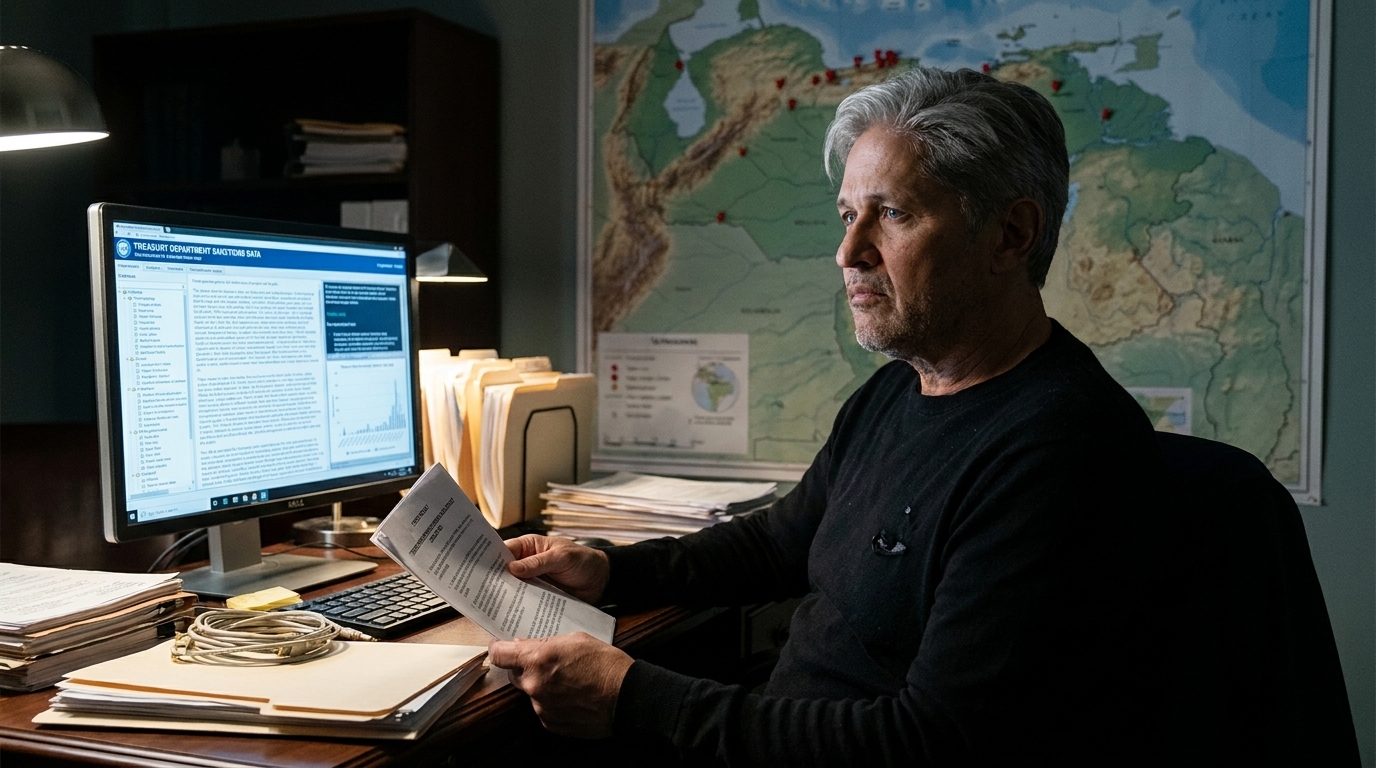
there was a geopolitical affair as a result of the confrontation that happened that on that time between the US and Venezuela. That was the first administration of Trump... the Department of Treasury at that time issued the first economic sanctions against Venezuela

Toledo explains the broader political context of his detention, revealing how he and his colleagues became pawns in international relations between the U.S. and Venezuela.

SURVIVAL SUPPORT

when when you're in prison, you develop a a what I call a a a cellmate brotherhood. That people in some way, in the same circumstance, start to helping each other... I had cellmates there that gave me water because I was taking tap water. Tap water that was contaminated.

This highlights the importance of human connection and mutual support in extreme adversity, showing how prisoners formed bonds to help each other survive.

Appearances & videos

  • Mornings in the Lab · Center StageMay 18, 2026Watch →

From the interview

you can take your your situation of adversity or a tragedy as your destruction or as the justification of your destruction, or you can take it as an opportunity to create value for your life and become a better man.
when I reached 100 lbs, I was just flesh and bones. So, like like my in my arms, you know, it was like a half a piece of cloth.
when when you're in prison, you develop a a what I call a a a cellmate brotherhood.
When I left prison and I came back home, I went back to my toolbox and I opened it and I realized that I had a lot of new tools.
I was sent into a dungeon, literally a dungeon. Underground, no fresh air.

The guest conversation

Most people think they know who they are because life keeps confirming it. The title, the calendar, the room. But take those away in one a morning and a different question shows up. What's left of [music] you then? That's not a thought experiment for today's guest. It became his life inside a conference room in Caracas. [music] Jorge walked into that room as a senior Sitgo executive. He didn't walk back out for 1,775 days. Less than 2 months earlier, he had been promoted to vice president of supply and marketing at Sitgo. Then military intelligence forces entered meeting. Jorge and five other Sitgo executives became the men known as the Sitgo six. What followed was nearly five years inside a military detention site, then El Helicoide, one of Caracas's most notorious prisons. There was a trial he describes as without evidence. There was a sentence of eight years and 10 months. [music] The…

Read the full transcript →
Guest gallery
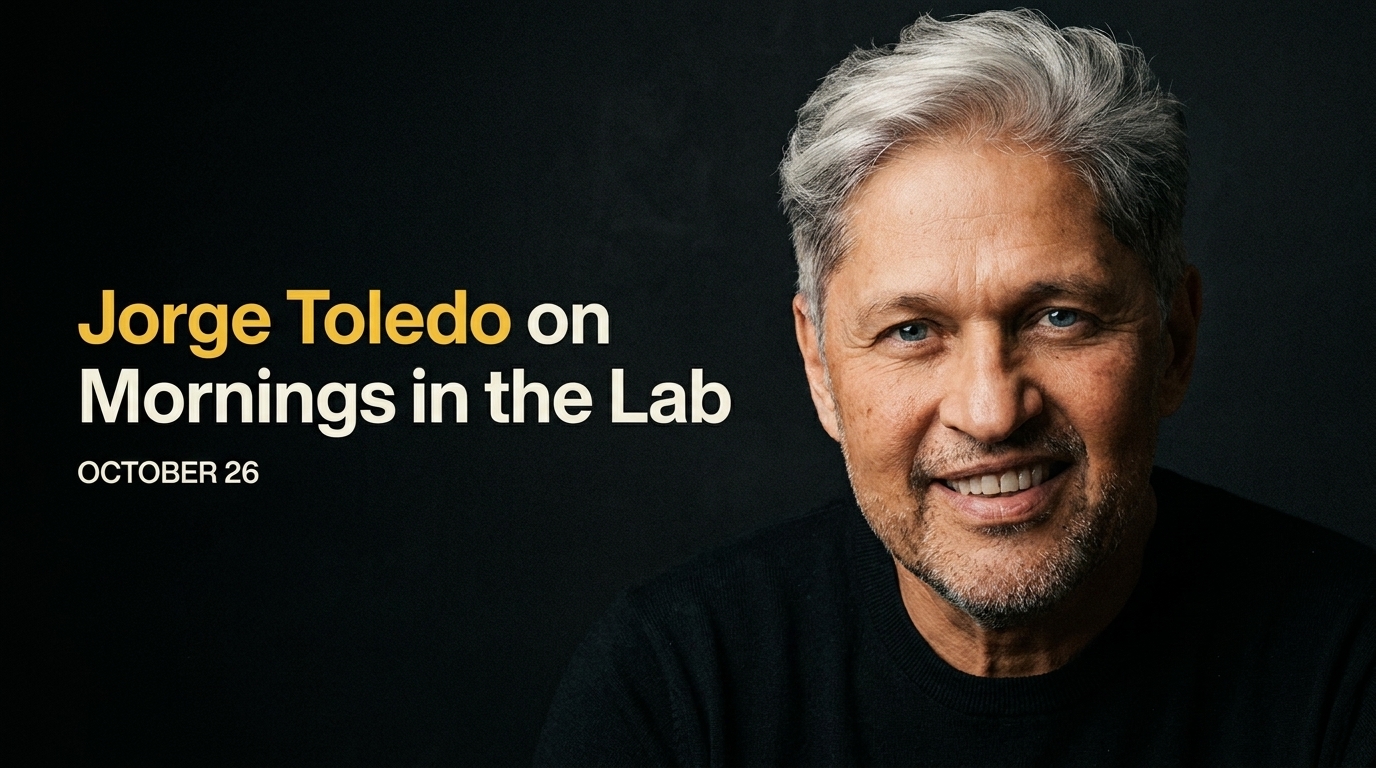
Pre-show shareable graphic generated by the Authority Page Builder.
Announcement card · Pre-show shareable graphic generated by the Authority Page Builder.
SURVIVAL CONDITIONS
SURVIVAL CONDITIONS
PHYSICAL DETERIORATION
SUDDEN DETENTION
SUDDEN DETENTION
ISOLATION TORTURE
ISOLATION TORTURE
MINDSET TRANSFORMATION
TOOLBOX PHILOSOPHY
TOOLBOX PHILOSOPHY
GEOPOLITICAL PAWN
GEOPOLITICAL PAWN
SURVIVAL SUPPORT
SURVIVAL SUPPORT
Original headshot ↗

Appeared in