How can you tell whether a team trusts each other?
Neil looks for whether people follow through on their words, know one another and show care for their teammates. He says a useful test is whether pressure brings the team together to solve the problem or pulls it apart into blame.
What should a leader do first when pressure peaks?
Neil says effective leaders first regulate their own emotions so they can think clearly. If they cannot find the answer themselves, he recommends turning to trusted advisers and working through it together.
How can coaches reduce phone distractions during team time?
Neil suggests creating a team charter with the players so they help define what being present means. He recommends working toward a shared commitment to put phones aside, respect one another and connect while playing sport.
Neil Tuna describes discovering through rugby coaching that his deeper interest was helping people develop and work well together. He evaluates team trust through whether words match actions, people know and care about one another, and pressure brings them together or pulls them apart. His leadership approach combines genuine connection with clear boundaries, emotional control and shared expectations for being present with the team.
Key takeaways
Tuna looks for observable signs of trust, including follow-through, competence and how people treat one another when a problem arises.
He sees close coach-athlete relationships as compatible with boundaries: mutual care still needs agreed roles, responsibilities and ways of behaving.
When pressure peaks, he says effective leaders first regulate their own response and, if they cannot find an answer, consult trusted advisers.
To address phone distraction, he proposes having players help develop a team charter that defines presence and respect, giving them a part in setting the expectations.
Tuna distinguishes emotional control from appearing indifferent, arguing that leaders still need to show people they care at important moments.
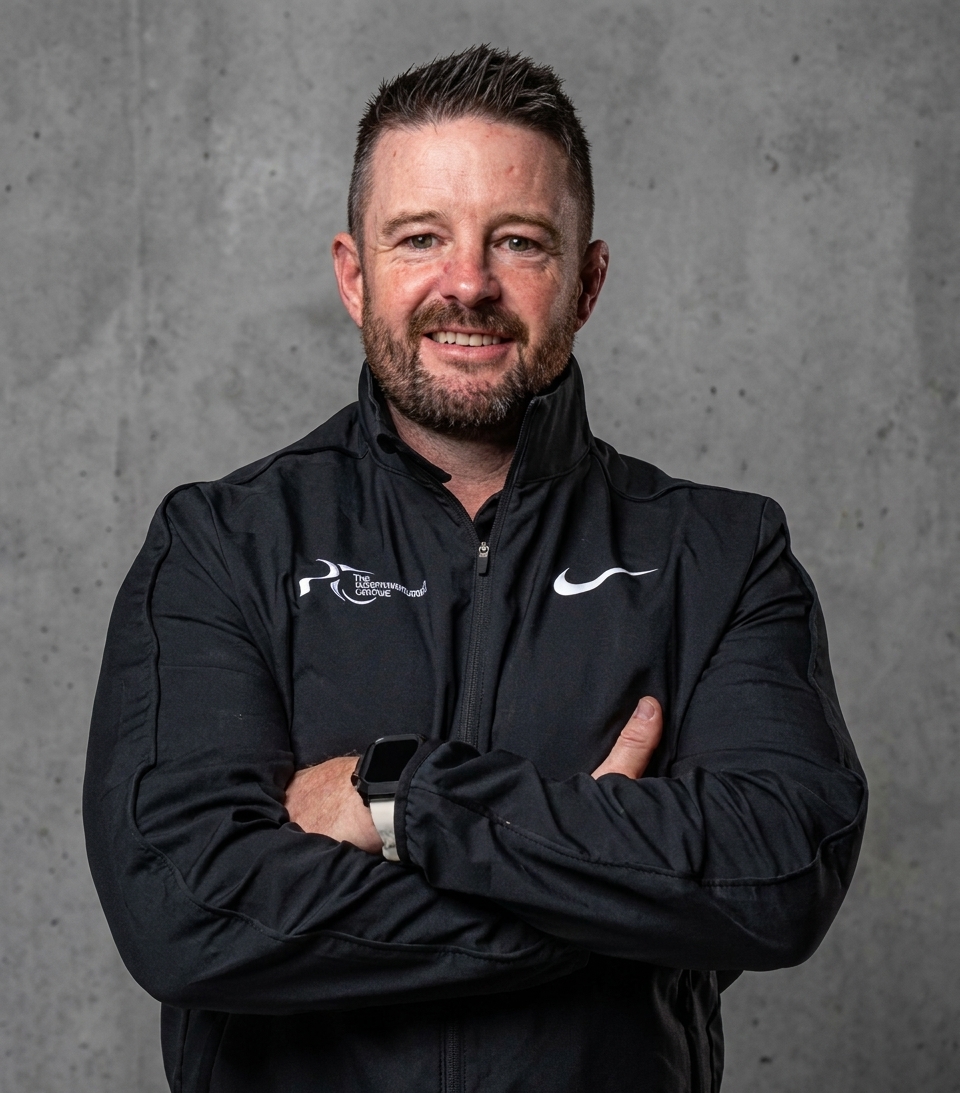
Neil Tuna appeared on Mornings in the Lab (Episode #2163) in November 2025 as a center stage guest. He discussed leading when it's messy and provided a real playbook for AI. Despite extensive searches across web, people directories, and social platforms, no public professional profile, LinkedIn, company details, or prior web mentions were found for Neil Tuna. He appears to be an emerging voice in AI leadership, focusing on practical strategies for navigating complex leadership challenges in the AI era. His podcast appearance highlights his expertise in offering actionable playbooks for AI implementation amid uncertainty. Given the lack of online presence, Tuna may be a private expert or new to public speaking. Listeners can expect insights on real-world AI adoption, team leadership in tech disruption, and strategies for messy decision-making in fast-evolving tech landscapes.
Mornings in the Lab · Center StageOctober 23, 2025Watch →
From the interview
leading when it's messy
providing a real playbook for AI
The guest conversation
[00:33:24] When pressure rises, three things hold, behavior, trust, and rhythm. But working under pressure doesn't mean a great team has to run on fumes. Today we've got someone who has the playbook for leading well, no matter how chaotic it gets. Neil Tana is the CEO of the Performance Chain group, and he applies everything he learned from Elite rugby.
[00:33:46] To business leadership. He works with leaders who wanna grow awesome teams, not just balance sheets, because high performance doesn't have to equal high casualty rates. Recently his company launched an AI change process to lower fear and raise trust during AI transitions. He keeps it simple and human.
[00:34:07] The why train the how, rehearse the rhythm so people learn without overload off the clock, he's a dad to two daughters who love musical theater. So weekends swing from rugby sidelines to show tunes every year he joins…