Summary
John Petrocelli explains the distinction at the center of his research: lying generally involves knowing the truth, while bullshitting means communicating without concern for truth, genuine evidence or established knowledge. He describes experiments examining when people engage in that behavior, highlighting pressure to offer an opinion beyond their knowledge and audiences that make unsupported claims easy to get away with. He recommends clarifying a claim, asking how the speaker knows it is true and considering what could disprove it, while treating certainty as a feeling rather than proof. The wider discussion connects this approach to decision making, the difference between personal experience and verifiable truth, and his view that social tolerance of careless claims needs to change.
Key takeaways
- A statement can happen to be correct and still fit Petrocelli’s definition of bullshit if the speaker has not cared about evidence or truth; accuracy by chance does not establish a sound process.
- His suggested questions go beyond requesting supporting evidence: ask how a claim might be wrong and whether other explanations have been considered, so the conversation also examines evidence against it.
- Petrocelli reports findings that people especially confident in their ability to detect bullshit can be especially susceptible to it, challenging the assumption that confidence provides protection.
- He resists concluding that people now want less truth, saying the clearer change is how much communication is digitally recorded and available for examination.
- His own exercise story illustrates a belief he reconsidered: he thought he disliked working out, but found that a regular group gave him both motivation and time with friends.
Read the transcript →Their story
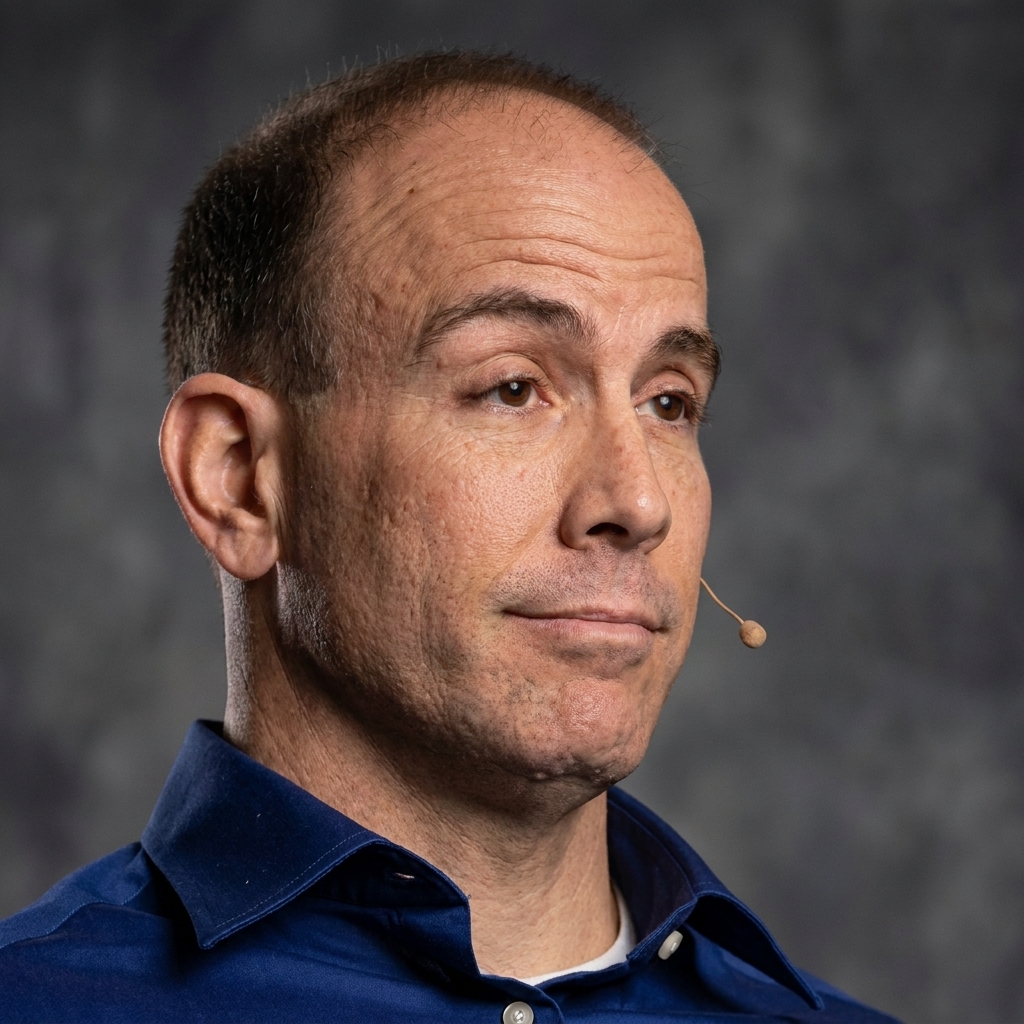
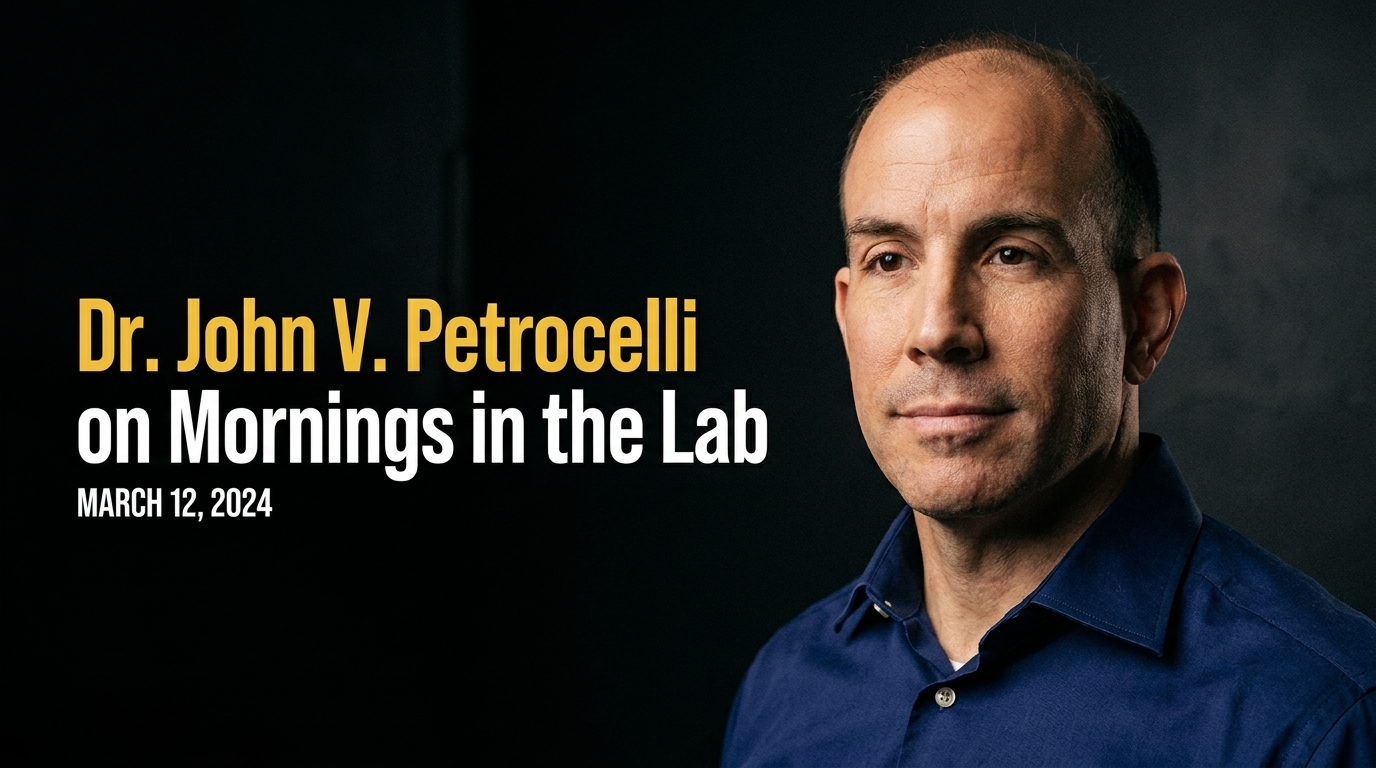
Dr. John V. Petrocelli is a distinguished Professor of Psychology at Wake Forest University, where he has taught since 2007, rising through the ranks from Assistant to Associate and now full Professor. Known colloquially as the 'Professor of Bullshit,' he directs the Bullshit Studies Lab, pioneering research into bullshitting—a unique form of communication indifferent to truth or evidence, distinct from lying. His seminal book, *The Life-Changing Science of Detecting Bullshit* (2021), distills decades of empirical work into practical strategies for identifying and disposing of pervasive BS in daily life, business, and media. Petrocelli's scholarship spans experimental social cognition, judgment and decision making, with over 50 publications in elite journals like the *Journal of Personality and Social Psychology* and *Journal of Experimental Social Psychology*. He serves as Associate Editor for both *JPSP: Attitudes and Social Cognition* and *Personality and Social Psychology Bulletin*, shaping the field's discourse. Research foci include attitude strength and persuasion—exploring how certainty, ambivalence, and accessibility fortify or weaken beliefs against change; counterfactual thinking, where mental 'what if' simulations impact learning, memory, decisions, and even physician diagnostics; and metacognition, thoughts about thoughts that underpin effective BS detection. Petrocelli earned his Ph.D. in social psychology from Indiana University Bloomington (2007) after a B.A. from Westminster College. A TEDx speaker and keynote expert on evidence-based leadership, he consults on no-BS decision-making, contributes to *Psychology Today*, and advises tech firm Seekr. Courses like 'Misinformation, BSing, and Calling BS' equip students to navigate a post-truth world. In an era of fake news and buzzword salads, Petrocelli's work equips individuals and organizations to sharpen rusty BS detectors, fostering clearer communication, smarter choices, and critically discerning cultures. [Wake Forest Psychology](https://psychology.wfu.edu/john-petrocelli/), [LinkedIn](https://www.linkedin.com/in/johnvpetrocelli), [Book Insights](https://nextbigideaclub.com/magazine/life-changing-science-detecting-bullshit-bookbite/29360/).
The guest conversation
[00:15:52] Keith: Alright. Alright. Alright. There he is. Dr. Jon Petra, professor of psychology at Wake Forest, internationally recognized for his research into communication, persuasion, and yes bullshit.
[00:16:05] Keith: As the director of the Bullshit Studies Lab, that's actually on the actual door, apparently Jon investigates why we fall for misleading claims and how to, he's gonna be busy in the world of ai bullshit and how to outsmart them with evidence-based thinking. The guy's published over 50 scientific papers, an associate editor of two top journals, and his book, Jonny Marty, A Life-Changing Science of Detecting Bullshit.
[00:16:29] Keith: Fun fact. Jon's core syllabus is probably the only one that makes mums blush. Let's welcome him to the stage, doctor Jon Petro Sally, what's going on, Jon? What's up brother? Hey, thanks. Going on for having me guys. How are you pal? Ar…
Read the full transcript →