NEXT LIVEMornings in the Lab with Keith, Jon & Friendsin 2h 21m
← All network guests
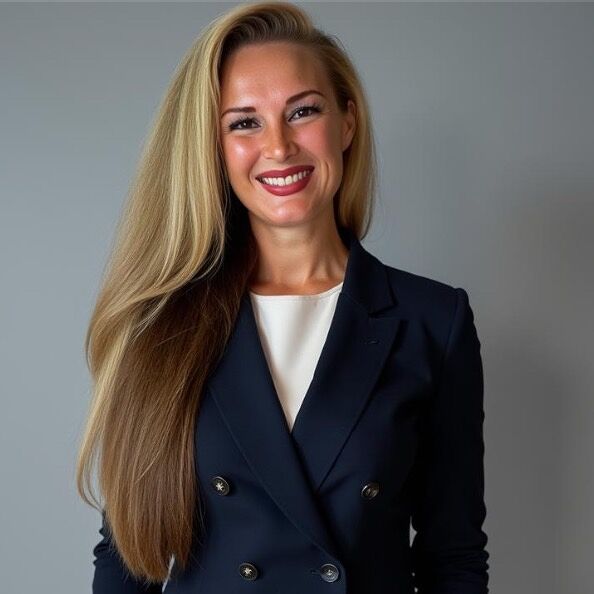
Dr. Evette Rose
Mornings in the Lab · Center Stage

Dr. Evette Rose

Founder, Metaphysical Anatomy

PsychosomaticsTrauma RecoveryNervous System Regulation
Watch the conversation

Watch Dr. Evette Rose’s appearance in the full show.

Watch guest appearance on YouTube ↗

Questions this episode answers

Does finding purpose have to mean doing something famous?

Yvette Rose argues that purpose can be fulfilled wherever there is a need, including through a brief act of kindness. She says people can have multiple purposes instead of one grand role that defines their entire life.

Read this moment in the transcript →

How did Yvette Rose handle responsibilities when starting over?

Rose says she took care of people, completed necessary work and arranged handovers before leaving. She distinguishes that decision from simply abandoning responsibilities, even though she moved quickly once she decided to go.

Read this moment in the transcript →

What changed when Yvette Rose stopped using anger as her motivation?

Rose says unresolved anger had driven her pursuit of success. She describes accepting that she did not have all the answers as a shift that helped her notice possibilities she had not seen while continually fighting.

Read this moment in the transcript →

Summary

Yvette Rose reflects on how anger and a difficult childhood shaped her pursuit of success, and recounts a health crisis that prompted her to reconsider the life she was maintaining. She describes leaving her home and a significant relationship to start over in Bali, while stressing that she first took care of responsibilities and handovers. She argues that purpose can be fulfilled through small acts and changing roles, rather than requiring one prestigious or lifelong calling. Her discussion of forgiveness distinguishes a feeling that emerges through working through pain from pressure to declare forgiveness, and she relates this to learning a more compassionate response to her own anxiety.

Key takeaways

  • Rose suggests looking for a need one can meet rather than waiting for a grand life mission, noting that a brief act of kindness may matter to someone even when its effect is unseen.
  • In describing her own departure, she separates protecting herself from abandoning obligations: she says she arranged the necessary handovers before leaving.
  • She clarifies that she believes in forgiveness but objects to making it an immediate demand, preferring to address the hurt that prevents someone from feeling it.
  • She recalls finding silence difficult because anxiety surfaced, and describes shifting from criticizing that response toward asking how she could care for the hurt she was experiencing.
Read the transcript →

Jump into the conversation

Men Over 40: Testosterone, Trauma & The Forgiveness Lie Nobody Talks About
  1. 00:00The Monday Morning Chaos (Intro)
  2. 16:45The WWE Netflix Documentary (Business of Storytelling)
  3. 27:10Dr. Evette Rose: Heart Attack at 29 & Emotional Trauma
  4. 47:30The Debate: "I Don't Believe in Forgiveness"
  5. 01:03:00Surfing X: Robots Doing Laundry & Zipline Drones
  6. 01:13:00The Sex Talk: What Men Need to Know After 40
  7. 01:25:00The "Separate Bathrooms" Theory (Mike McQuillan)
  8. 01:33:00Leadership Mistakes with Mike Papacoda
  9. 01:50:00Creator Spotlight: Ben S.
  10. 02:00:00The Leadership Mistake Costing You Millions

Their story

Dr. Evette Rose is a globally recognized trauma recovery expert, author of 21 books, and founder of Metaphysical Anatomy, a pioneering approach to decoding the body's secret language of psychosomatic ailments. Her journey began in chaos: raised by a clinically diagnosed sociopathic father who was an alcoholic and drug addict, Evette grew up in a toxic environment where calm felt unsafe. This shaped her nervous system to thrive on cortisol and adrenaline. Despite early success as a crime scene investigator and lawyer, chronic anxiety, depression, and a stress-induced heart attack at age 28—diagnosed as Broken Heart Syndrome—forced a reckoning. Discharged from the hospital with Valium despite no physical heart issue, she realized her body was manifesting unresolved emotional pain from suppressed grief, a crumbling relationship, and eustress masking deeper turmoil. This near-death experience propelled her to study psychosomatics, analyzing over 7,000 client cases across 43 countries. Her flagship book, Metaphysical Anatomy Volume 1, maps 722 physical conditions to emotional roots—from ancestry to adult trauma—drawing on therapies like EMDR, CBT, NLP, hypnotherapy, and her proprietary Metaphysical Anatomy Technique (MAT). Dr. Rose, holding an MBA and Ph.D., reveals how the body stores trauma as pain: stomach ulcers from unexpressed anger, heart palpitations from survival fears, shoulder tension from suppressed resentment. Her Heal Within podcast and workshops teach self-awareness, nervous system regulation, and emotional release, emphasizing that true healing requires feeling worthy of support. Today, based in Singapore with events in Bali and London, she empowers thousands to break ancestral patterns, restore oxytocin flow, and achieve calm contentment over high-achiever burnout. [YouTube Podcast](https://www.youtube.com/watch?v=T2QESU8V8Oc) [LinkedIn](https://www.linkedin.com/in/drevetterose) [Website](https://metaphysicalanatomy.com/)

In their own words

Psychosomatic Mapping

The body has its own language—unresolved emotional stress manifests as physical symptoms like heart attacks from suppressed grief.

Her personal heart attack at 28 revealed psychosomatics; clients worldwide show identical patterns regardless of location.

Nervous System Regulation

Chaos regulated my nervous system; safe environments triggered collapse until I rewired for calm.

From abusive upbringing to anxiety spike in Australia—highlights trauma's adaptation to toxicity.

Stress Bypass

Eustress (positive stress) masks deeper pain; the body loops until addressed.

Overachievement hid relationship loss, triggering crisis; MAT resolves root causes.

Trauma Inheritance

7,000+ cases prove emotional blocks from womb/ancestry cause ailments like ulcers.

Cross-cultural consistency validates universal body-emotion links.

Appearances & videos

  • Mornings in the Lab · Center StageAugust 11, 2025Watch →

From the interview

"Your body is working for you, signaling unresolved stress—listen to heal."
"Eustress highs crash when roots unmet; face emotions for freedom."
"Chaos felt safe; true healing rewires for calm."
"7,000 cases confirm: emotions shape health universally."

The guest conversation

[00:00:00] Keith: Good Morning Nation. You're listening to Morning's Live with Keith, Johnny, and Friends. We get after it every single day here. Live eight o'clock Eastern Time, YouTube, LinkedIn, and XVO. Only morning show to help you guys get your ass outta bed, not hit the snooze button and achieve those big, hairy, audacious goals. [00:00:13] Keith: Today we got Dr. Yvette Rose, a counseling psychologist, took a near death experience and turned it into a global healing revolution. Picture this guys, she's 29 working in corporate and her heart literally stops from stress instead of just treating the symptoms just like western medicine wants us to do. [00:00:32] Keith: Oh yeah, just take the pill. Take the pill. Take the pill. She wouldn't full detective mode on why she pulled the old CSI. She go, yeah, I'm fucking, she's like, David Cruso. Why? Yeah, there you go on. Why emotions c…

Read the full transcript →

Guest gallery

Appeared in