NEXT LIVEMornings in the Lab with Keith, Jon & Friendsin 2h 38m
← All network guests
Peter Forcelli
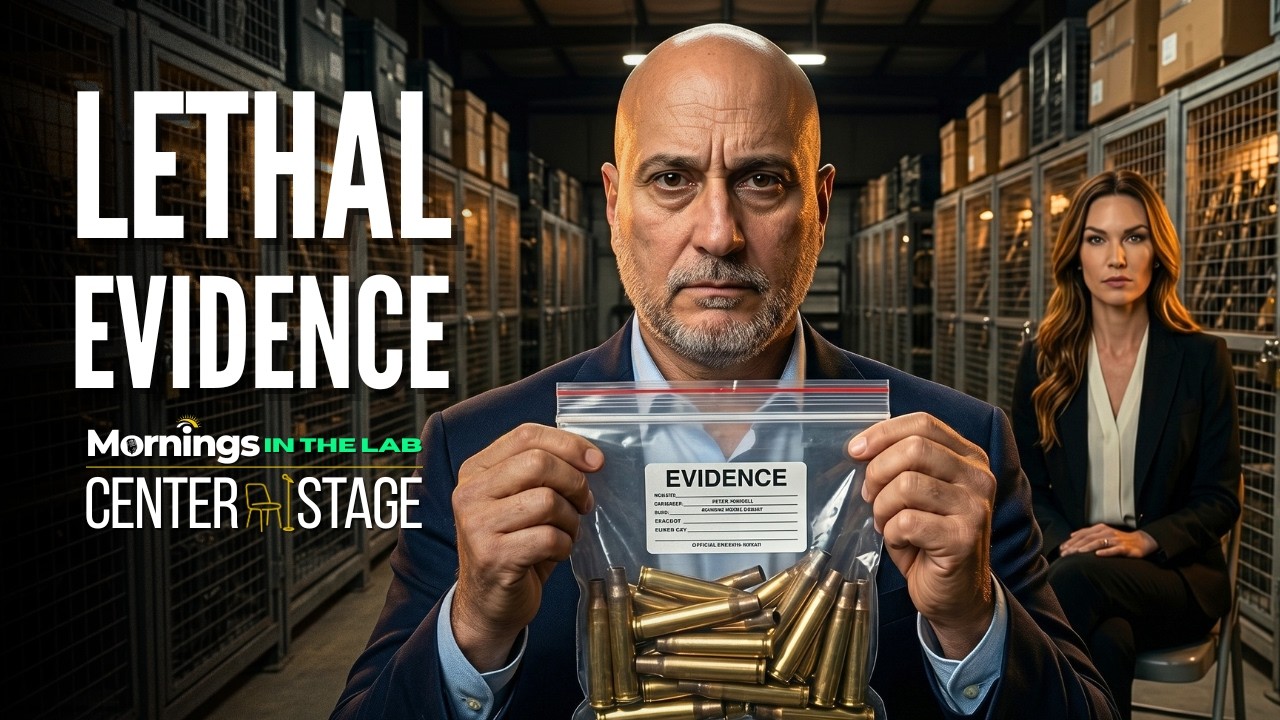
Mornings in the Lab · Center Stage

Peter Forcelli

Former NYPD officer, ATF whistleblower and author

Law enforcementWhistleblowingEthical leadership
Watch the conversation
Watch on YouTube ↗

Questions this episode answers

Why did Peter Forcelli write about the Fast and Furious investigation?

Peter Forcelli says the political scandal obscured operational failures that newer agents needed to understand. He describes writing after retirement to explain what happened and help prevent the same mistakes from recurring.

Read this moment in the transcript →

What helped Peter Forcelli through the pressure of whistleblowing?

Forcelli credits his wife with providing strong support during that period. He also names senior colleagues who backed him and valued telling the truth, and says their support mattered greatly to him.

Read this moment in the transcript →

How did Peter Forcelli return to exercise after cancer?

Forcelli says comparing himself with his former fitness level helped keep him inactive for years. He describes eventually returning to the gym, accepting reduced capacity and finding that the routine helped his mental health.

Read this moment in the transcript →

Summary

Across two appearances, Peter Forcelli describes blowing the whistle on Operation Fast and Furious and enduring four years of investigations, framing his stand as an effort to correct problems within a profession he loved. He recounts helping challenge a murder conviction after new evidence emerged, and explains that he wrote his book so other agents could learn from the failures surrounding Fast and Furious. In a personal account of returning to exercise after lung cancer, he says comparing himself with his former strength helped keep him inactive for years, while accepting reduced capacity allowed him to resume training that he finds mentally beneficial. On his return visit, he connects speaking to law enforcement groups and remembering friends lost on and after September 11 with his continuing search for purpose and his encouragement to question orders that conflict with doing the right thing.

Key takeaways

  • Forcelli credits leaders who backed him on the condition that he was telling the truth; his account makes protecting honest reporting a concrete leadership responsibility.
  • Being involved in an original investigation does not remove the obligation to reconsider it: Forcelli describes following later evidence of innocence and testifying for the defense at a retrial.
  • Keep records that can substantiate difficult reports: Forcelli says documentation and witnesses supported his account, while emphasizing that clearing his name still took years.
  • Turn institutional failures into material others can learn from: Forcelli says silence around Fast and Furious left agents unaware of what happened and motivated him to write about it after retirement.
  • In Forcelli’s recovery story, a former performance benchmark became a barrier to participating at all; he describes returning to the gym while acknowledging that his strength and endurance would be different.
Read the transcript →

Jump into the conversation

Peter Forcelli: The ATF Whistleblower Who Took On Fast & Furious
  1. 2:29Serving an organization while challenging its problems
  2. 4:31His account of the risks of whistleblowing
  3. 9:24What raised his questions about Fast and Furious
  4. 11:14The conversation with his wife
  5. 14:28Why he wrote The Deadly Path
  6. 21:18Returning to the gym after cancer
  7. 22:16A family moment that prompted a change
LIVE | Is Wellness Marketing Selling Hope as Science?
  1. 00:00Pre-Show
  2. 03:47Good Morning, Nation
  3. 06:10Pick a Side: Who Gets the Hours AI Saves?
  4. 16:00The First 3,000-lb Pumpkin
  5. 21:55Why Put Optimus in It?
  6. 35:43Pete Forcelli Joins: Service, Cancer and No More Excuses
  7. 37:58Ozempic or a Power Rack?
  8. 40:04Trying BPC-157
  9. 1:06:13The Trouble With "Treat Myself"
  10. 1:09:43When "Science-Backed" Starts Selling
  11. 1:13:21Puffery vs. Real Claims
  12. 1:22:05How Price Changes the Taste of Wine
  13. 1:30:01Two Weeks of Whole Foods
  14. 1:50:10Trusting Yourself After 100 Days of Age Strong

Their story

Peter Forcelli served with the NYPD and ATF and wrote The Deadly Path. On Mornings in the Lab, he discusses speaking up about Operation Fast and Furious, the personal cost of whistleblowing, and the responsibility to correct mistakes. He also shares his experience of returning to exercise after lung-cancer treatment and finding purpose beyond his law-enforcement career.

Appearances & videos

  • Mornings in the Lab · Center StageMay 20, 2026Watch →
  • Mornings in the Lab · Center StageOctober 16, 2026Watch →

The guest conversation

Transcript part 1 [00:00:00] Sophia: Pete Forcelli spoke up about failures inside his own agency. Years later, after cancer, he says he had to confront his own excuses. He'd spent 15 years with the NYPD before joining ATF. In 2011, he testified before Congress about Operation Fast and Furious. His book, The Deadly Path, tells his account of speaking up and facing retaliation. [00:00:21] Sophia: But the cost of service wasn't only professional. Years earlier, he'd survived the September 11 attacks and worked in rescue and recovery at Ground Zero. That experience stayed with him. He later developed lung cancer, which he attributes to that exposure. He says he fought cancer in 2017, then stopped training hard. [00:00:40] Sophia: In his words, cancer had become an excuse. He was moving less and realized he needed to take his own health seriously. Now he's back in the gym, working on his m…

Read the full transcript →
Appeared in