NEXT LIVEMornings in the Lab with Keith, Jon & Friendsin 2h 31m
← All network guests
Daryl Johnson
Mornings in the Lab · Center Stage

Daryl Johnson

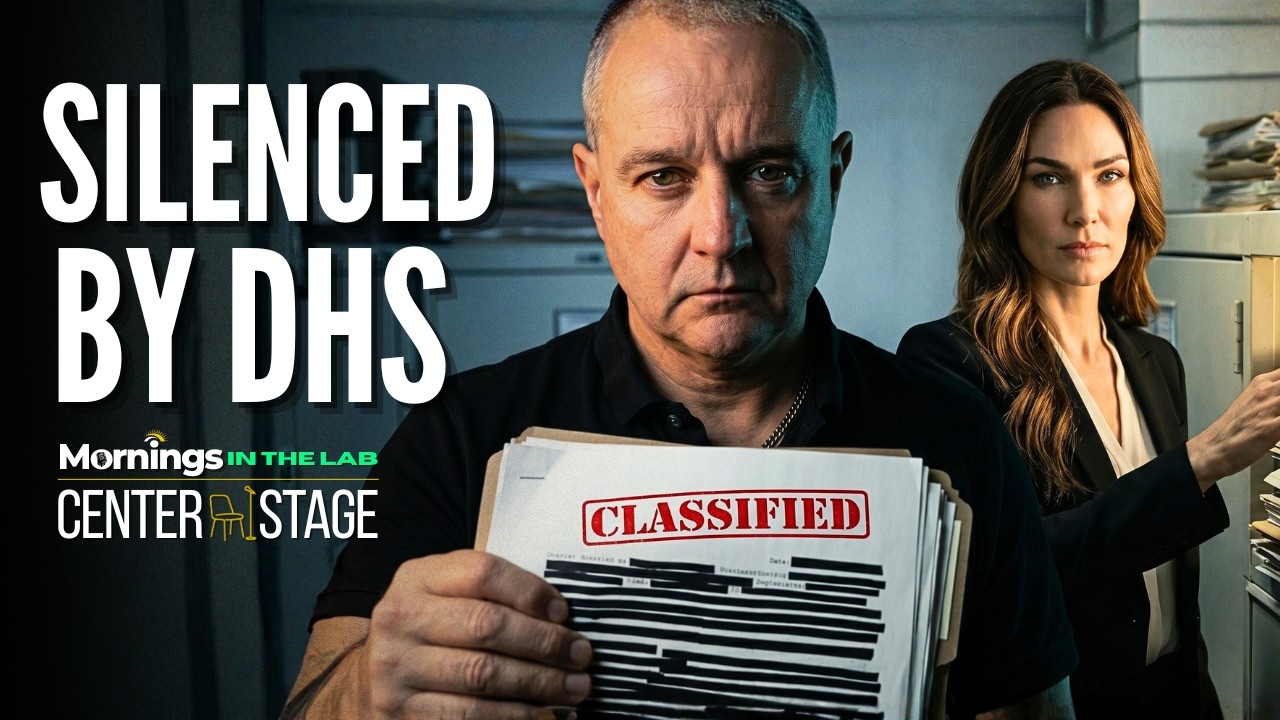
The Guy Who Predicted January 6th (And Got Fired For It)

domestic terrorismnational securityextremism analysis
Watch the conversation
Watch on YouTube ↗

Questions this episode answers

How does Daryl Johnson check for bias in threat analysis?

Johnson says other analysts reviewed his assessments and could flag opinion or bias. He also describes sharing papers with analytical counterparts at other agencies to test the work beyond his immediate team.

Read this moment in the transcript →

How does Daryl Johnson manage the strain of studying extremist material?

Johnson says limiting his exposure to extremist material helped him recognise the need to take better care of himself. He describes meditation, nature walks with his daughters and strength exercises at home as parts of his continuing self-care process.

Read this moment in the transcript →

How does Daryl Johnson distinguish terrorism from other violence?

Johnson describes terrorism as ideologically motivated violence intended to influence government policy or society. He explains that ideological disagreement alone does not settle the distinction, and points to the intended effect on a wider community.

Read this moment in the transcript →

Summary

Daryl Johnson revisits the controversy around his report on rising right-wing extremism and describes watching the January 6 attack with sadness rather than satisfaction that earlier warnings had been vindicated. He describes peer review and consultation across agencies as checks on personal bias in threat analysis. Across the extended conversation, he argues that the internet has expanded extremist recruitment beyond face-to-face contact and accelerated the path into radicalization. He also recounts recognizing the personal cost of constant exposure to extremist material and beginning an ongoing effort to limit that exposure and take better care of himself.

Key takeaways

  • Johnson’s explanation of terrorism includes ideologically motivated violence intended to influence government policy or society, and he corrects the idea that an ideological disagreement alone settles the distinction from other crimes.
  • He says a terrorist act need not involve a mass death toll or a firearm, pointing to arson and sabotage as other forms the violence can take.
  • His account of analytical review includes colleagues flagging opinion or bias and sharing papers with counterparts at other agencies.
  • He describes limiting his intake of extremist material, meditating, walking nature trails with his daughters and doing strength exercises as parts of his own continuing self-care process.
  • He warns that white-supremacist groups can use martial-arts settings for recruitment, distinguishing their ideological purpose from ordinary training and describing investigative reporting that exposed it.
Read the transcript →

Jump into the conversation

Daryl Johnson: He Warned the Government, They Fired His Team
  1. 3:58How he defines domestic terrorism
  2. 5:56Political platforms and extremist narratives
  3. 8:53The personal toll of studying extremist material
  4. 11:38Peer review and analytical checks
  5. 18:41Remembering January 6
  6. 20:00His concerns about threat fatigue
  7. 22:01Examining evidence behind violent acts

Their story

I cannot provide specific information about "Daryl Johnson" based on the search results provided. While the results mention a "Daryl M., Librarian, West Valley Regional Branch Library" who conducted an interview in April 2026, this appears to be a librarian rather than a notable speaker or podcast host, and the search results don't contain sufficient details about their podcast, keynote speaking activities, or other professional engagements in 2025-2026. To find accurate information about Daryl Johnson's interviews, podcasts, or keynote speaking engagements, I would need search results that specifically profile this individual.

Expertise

domestic terrorism analyst · DHS senior analyst · law enforcement consultant · extremism expert · security threat assessor · government intelligence specialist
Appearances & videos

  • Mornings in the Lab · Center StageMay 7, 2026Watch →

The guest conversation

[00:36:28] Maya: His message now is not partisan. It's tradecraft. Take the evidence seriously before the evidence becomes another headline. So if you're trying to stay clear-eyed while everyone screams labels, listen closely. Daryl is here to slow the noise down. Nation, let's welcome Daryl to the lab. Daryl, we're looking forward to this conversation. [00:36:49] Keith: All right, all right. We got a guy, we got a guy, we got a guy. After a 2009 report on domestic extremism was supposed... was suppressed by the very people he worked for, he watched a decade of warnings culminate in January 6th. I can't wait to have this conversation, and it starts right now with myself, John Anderson, and Daryl Johnson. [00:37:07] Keith: What's going on, Daryl? [00:37:09] Daryl Johnson: Hey, Keith and John. Good morning. [00:37:11] Keith: So- What's up, brother? You've been sitting back watching. Yo…

Read the full transcript →
Guest gallery
Original headshot ↗

Appeared in