NEXT LIVEMornings in the Lab with Keith, Jon & Friendsin 2h 31m
← All network guests
Tom Farley
Mornings in the Lab · Center Stage

Tom Farley

A conversation about addiction Recovery.

Addiction RecoveryFamily Systems & AddictionGrief & Loss Processing
Watch the conversation
Watch on YouTube ↗

Questions this episode answers

How did humor shape communication in Tom Farley’s family?

Tom Farley says humor was his family’s main way of coping and connecting. He describes it as a safe place that also kept them from developing deeper ways to communicate difficult emotions.

Watch this moment →

How did recovery help Tom Farley find his own identity?

Farley says he had spent years telling his brother’s story before recovery helped him share his own with honesty and vulnerability. He describes finding the connection he had been seeking when he stopped trying to be the person he thought others expected.

Watch this moment →

What does recovery mean to Tom Farley beyond sobriety?

Farley says sobriety gave him the clarity to work on other parts of his life and mental health. He defines recovery in terms of becoming a better person and improving how he connects with others.

Watch this moment →

Summary

Tom Farley reflects on how his family could recognize his brother Chris’s addiction while avoiding honesty about their own drinking, and how humor became their main way to handle difficult emotions. He describes his own recovery as a shift from carrying someone else’s story to sharing his own with honesty and vulnerability. For Farley, sobriety provided clarity to work on relationships and other parts of his life, while talking openly about grief helped him find forgiveness for himself and his brother.

Key takeaways

  • Farley distinguishes making people laugh from having a wider emotional vocabulary: he says his family’s reliance on humor kept them from communicating more deeply.
  • He uses an improv ensemble as a model for belonging, where people bring their differences and weaknesses rather than having to fit a polished family image.
  • He says speaking honestly about himself, rather than only telling Chris’s story, brought the connection he had been seeking.
  • In his account, recovery extends beyond being substance-free to becoming a better person and connecting with others.
  • Farley describes talking about his grief and separating his love for Chris from feelings about his addiction as part of his own process of forgiveness.
Read the transcript →

Jump into the conversation

Tom Farley: Chris Farley's Brother Opens Up About Grief and 25 Years of Sobriety
  1. 3:20Family drinking and denial
  2. 7:11Humor as a coping mechanism
  3. 10:44Feeling unseen behind the performance
  4. 13:37Finding an identity in recovery
  5. 16:02Finding treatment through Recovery.com
  6. 20:36What recovery means
  7. 24:26Grief and talking about Chris

Their story

Tom Farley is a recovery advocate, author, and founder of the Chris Farley Foundation who has spent more than 25 years transforming personal tragedy into a mission of healing and hope. As the older brother of beloved comedian Chris Farley, Tom witnessed firsthand the devastating impact of addiction on families and the ways humor can both connect and isolate us from authentic relationships.

Read the full guest story

Tom Farley is a recovery advocate, author, and founder of the Chris Farley Foundation who has spent more than 25 years transforming personal tragedy into a mission of healing and hope. As the older brother of beloved comedian Chris Farley, Tom witnessed firsthand the devastating impact of addiction on families and the ways humor can both connect and isolate us from authentic relationships. After Chris's death at 33, Tom channeled his grief into advocacy, co-writing "The Chris Farley Show" and establishing the Chris Farley Foundation to use humor as a bridge to difficult conversations about addiction and mental health. His work has taken him to national stages and major broadcasts, where he's shared insights on addiction prevention and recovery for over two decades. Tom's journey took a pivotal turn when he recognized that his own relationship with alcohol and his role as the family's 'functional one' required the same honest examination he advocated for others. Through his own recovery process, he discovered the power of vulnerability, authentic connection, and what he calls 'rigorous honesty' - moving beyond his marketing and PR background to embrace uncomfortable truths. Today, Tom serves as a partner at Recovery.com, working to revolutionize how people access addiction treatment by eliminating referral fees and call center barriers. His message is simple but earned through experience: treatment can open the door, but healing doesn't happen alone. He continues to advocate for ensemble-based approaches to recovery, drawing from his understanding of comedy's collaborative nature while emphasizing that true healing requires moving beyond performance into genuine human connection.

Expertise

mental health keynote speaker · addiction recovery advocate · behavioral health outreach director · bestselling author · treatment resource specialist

In their own words

FAMILY ADDICTION PATTERNS

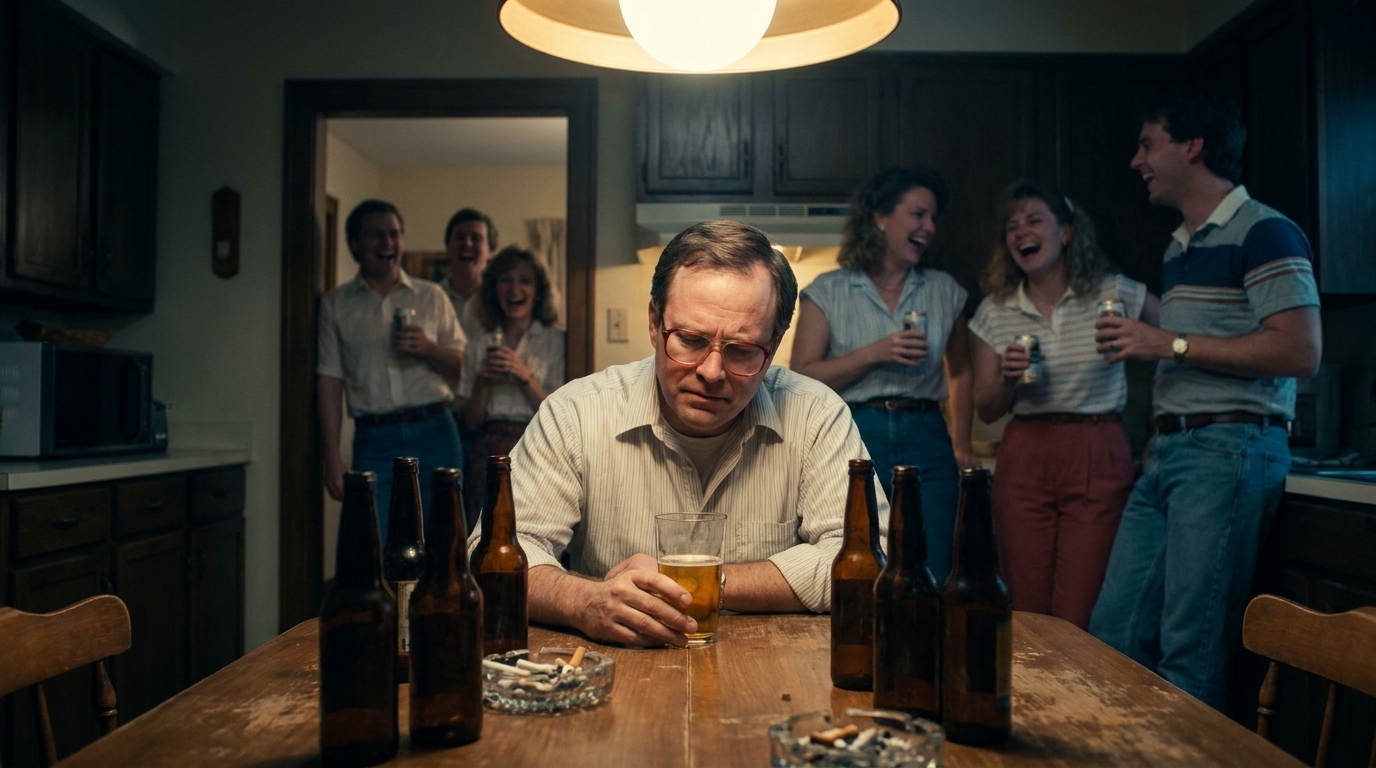
We grew up in Wisconsin, so drinking in those environments is so normative. We just thought like, this is what everyone does. When the addiction started to ramp up, that's when we closed, you know, like we're all funny, he's just a little bit more funnier than us but when it was like he's got an addiction but so do we, we're like we separated, we're like, no.

Tom reveals how his family's normalization of drinking culture in Wisconsin created blind spots that prevented them from recognizing their collective addiction issues, choosing instead to isolate Chris's problem rather than examine their own patterns.

HUMOR AS EMOTIONAL AVOIDANCE

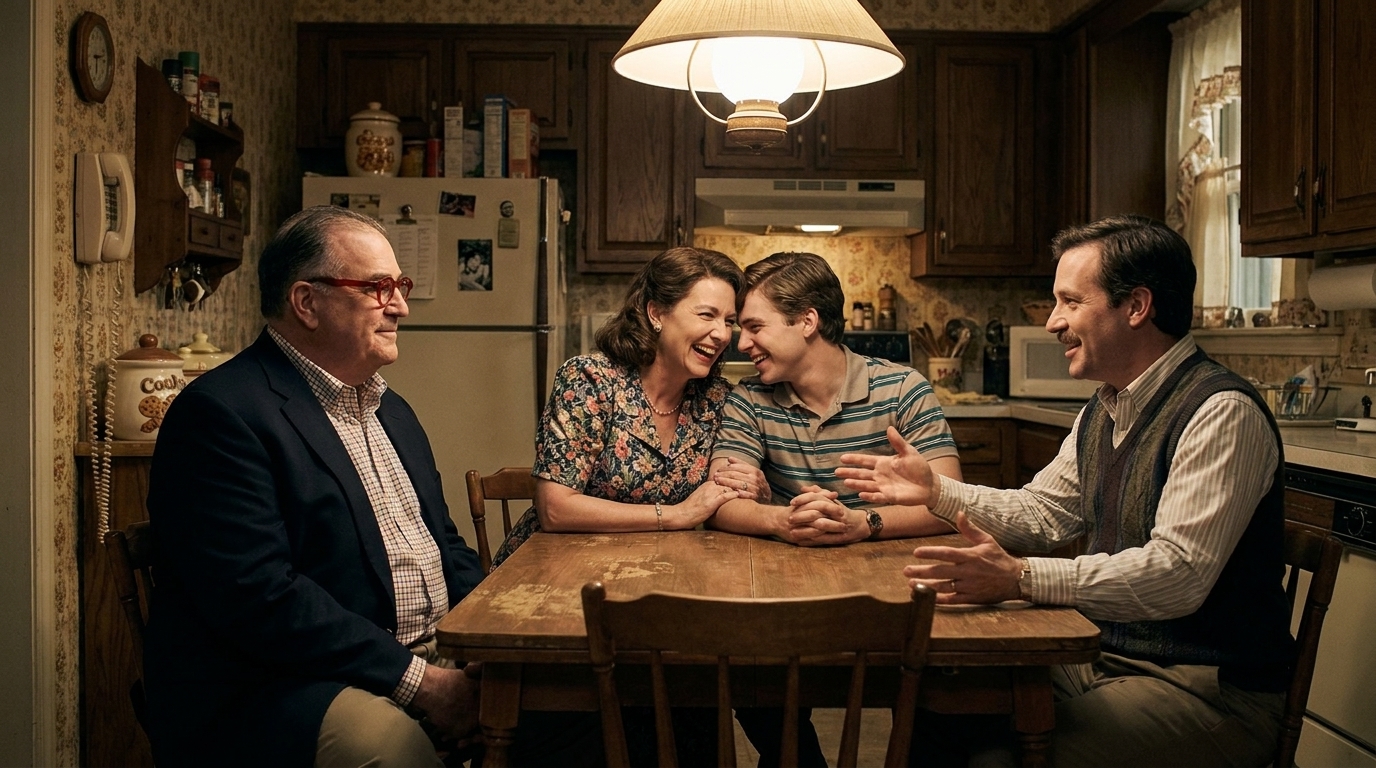
Our only mode of communication was humor. It was our coping mechanism and how we bonded and we didn't develop any other emotions beyond that. We didn't get any deeper than that. That just kept us in a safe place. Unfortunately, you're talking to the least funniest of the Farley family right now, but it became a family kind of cottage industry.

Tom identifies how his family's reliance on humor, while professionally successful, prevented them from developing crucial emotional communication skills needed for authentic connection and addressing serious problems.

PERFORMANCE VS AUTHENTICITY

I could be in the middle of a room or bar surrounded by people center of attention making everyone laugh and not feel more like we're standing on the surface of the moon. I'm giving everyone what they want of me, what they think I should be and I'm getting connection but this hollow feeling they don't see me. They don't know me. And the only way I knew how to deal with that was to numb it, to drink.

This powerful description captures the isolation that can come with being good at entertaining others - the paradox of being surrounded by people while feeling completely unseen and disconnected.

RECOVERY BREAKTHROUGH

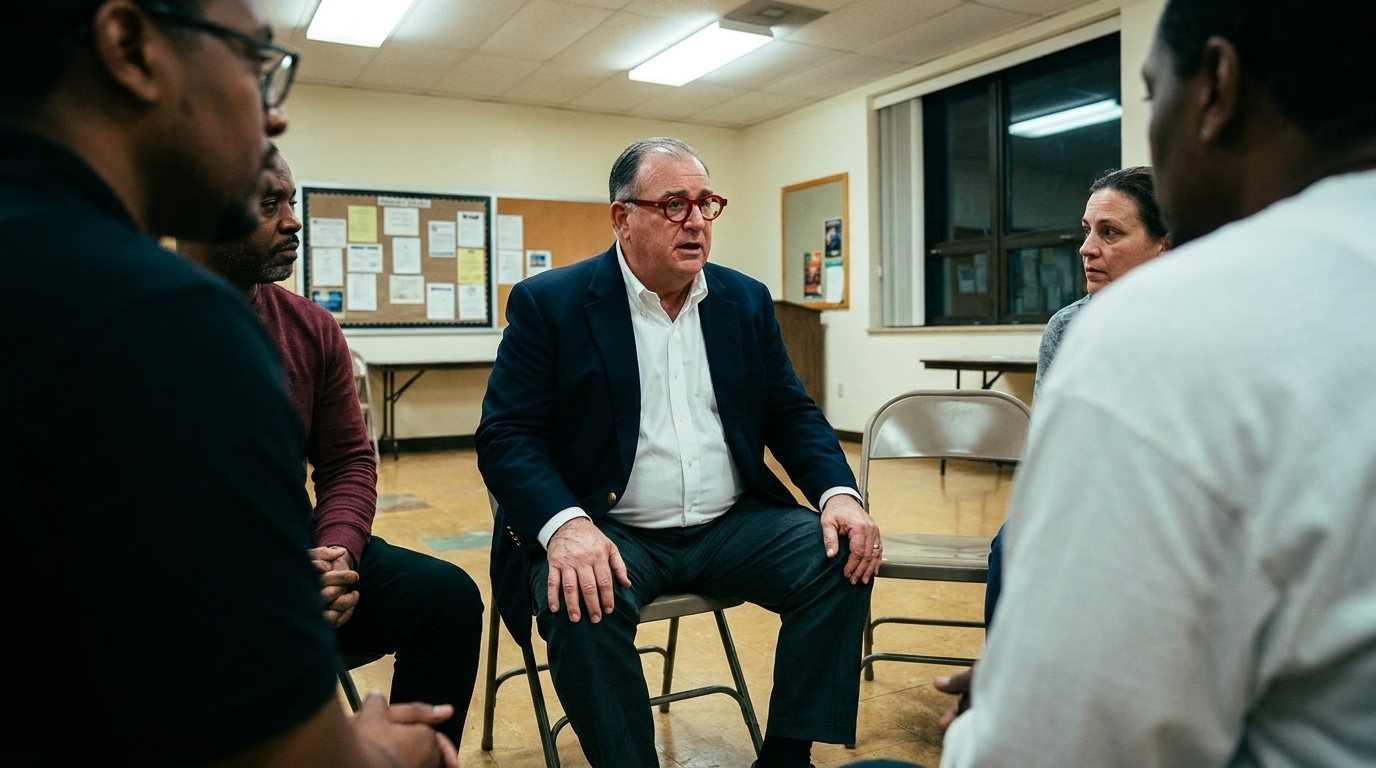
Recovery gave me the tools to do that. When I started to share and be vulnerable and be rigorously honest and humble and grateful myself, all of a sudden I got the connection I was always trying so hard to find. Now I'm just trying to be my authentic self and like where did those people come from? Because I'm not threatened anymore.

Tom describes the transformational moment when vulnerability and honesty replaced performance, leading to the genuine human connection he had been seeking through entertainment and substances.

IDENTITY BEYOND TRAGEDY

I used to introduce myself as 'Tom Farley brother of Chris Farley who died of drug overdose.' That was my full name. Now I just get to be Tom. Just Tom.

This evolution from defining himself entirely through his brother's tragedy to reclaiming his individual identity represents a crucial milestone in Tom's recovery and personal growth.

HEALING THROUGH HONESTY

One of the first things I realized when Chris died was that I needed to talk about it, which is a very un-Irish un-Midwestern kind of thing. We bury those emotions. I started to heal. I look at some of my family members that haven't done that to that extent, and I can see them carrying a lot of pain still.

Tom recognized that breaking cultural patterns of emotional suppression was essential for healing, even when it went against family and regional norms about processing grief and trauma.

RECOVERY AS DAILY IMPROVEMENT

What I found in recovery is that I'm finding every second of day through gratitude or whatever it is, my life is getting better and it was never getting better before. It had ups and downs, but at best it was flatlined. Now I'm seeing evidence of maybe sometimes something small is big, but it's definitely getting better.

Tom reframes recovery not as just sobriety, but as a continuous process of daily improvement and growth that contrasts sharply with the stagnation he experienced before seeking help.

ENSEMBLE VS PERFORMANCE

The best ensembles are the ones where you allow everyone to come in with all their otherness, all their weirdness and that's what makes the ensemble better. But we were trying to create this image to the world like 'this is the Farleys, we're the Farleys' and unfortunately when somebody doesn't meet that look and feel, they're written out of the family narrative.

Drawing from comedy principles, Tom explains how healthy families should function like improv ensembles that celebrate individual differences rather than enforcing conformity to a prescribed image.

Appearances & videos

  • Mornings in the Lab · Center StageMay 19, 2026Watch →

From the interview

I used to introduce myself as 'Tom Farley brother of Chris Farley who died of drug overdose.' That was my full name. Now I just get to be Tom.
Vulnerability is hard, but then it's not. It's hard at first and a little painful, but then all of a sudden, you realize you're not alone.
Only equals laugh together. If you're laughing at yourself or you're laughing at someone else, that's not real humor.
When I started to share and be vulnerable and be rigorously honest, all of a sudden I got the connection I was always trying so hard to find.
Recovery is not just sobriety. It's really how are you being a better human? How are you connecting with people?

The guest conversation

You know the act, the funny one, the successful one, the I'm fine guy everybody believes. You make people laugh. You handle the room, then you go home with the thing nobody [music] sees. That's where this story starts. Not with fame, with the cost of being believable when you're not okay. Tom knows that cost. In his family, laughter handled stress, joy, pain, anger, and almost everything in between. His little brother was a well-known comedian. To the world, [music] his brother was Saturday Night Live, Tommy Boy, and pure electricity. To Tom, he was his brother. Then Chris died at 33, and private grief became a public story. Tom did what older brothers do. He carried the story. He protected the memory. He kept showing up. Before all of that, he started in banking and finance. After Chris died, the mission changed. He built the Chris Farley Foundation, using humor to open hard conversatio…

Read the full transcript →
Guest gallery
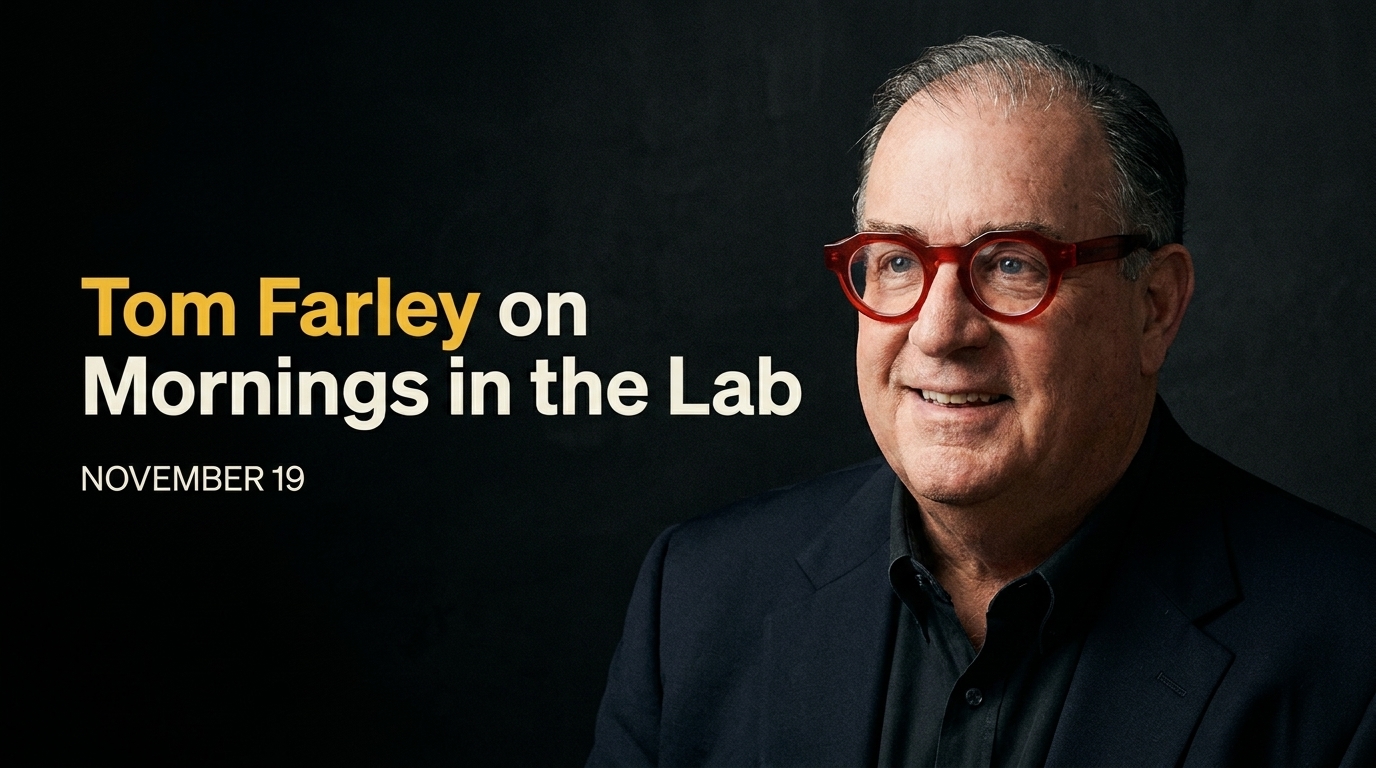
Pre-show shareable graphic generated by the Authority Page Builder.
Announcement card · Pre-show shareable graphic generated by the Authority Page Builder.
FAMILY ADDICTION PATTERNS
HUMOR AS EMOTIONAL AVOIDANCE
PERFORMANCE VS AUTHENTICITY
RECOVERY BREAKTHROUGH
IDENTITY BEYOND TRAGEDY
HEALING THROUGH HONESTY
RECOVERY AS DAILY IMPROVEMENT
ENSEMBLE VS PERFORMANCE
Original headshot ↗

Appeared in